Comprehensive Coverage, Not Collision
Comprehensive coverage is the part of your policy that pays for hail damage. If you carry comprehensive, hail damage is a covered loss, and your deductible is typically your only out-of-pocket cost.

Home/Services/ Hail Damage Repair
Hail damage repair
Hail damage repair restores every dent from a hail event using paintless dent repair (PDR) — no repainting, no body filler, factory finish preserved. We work directly with your insurance company and document the full extent of the damage before beginning repairs.
Hail damage repair
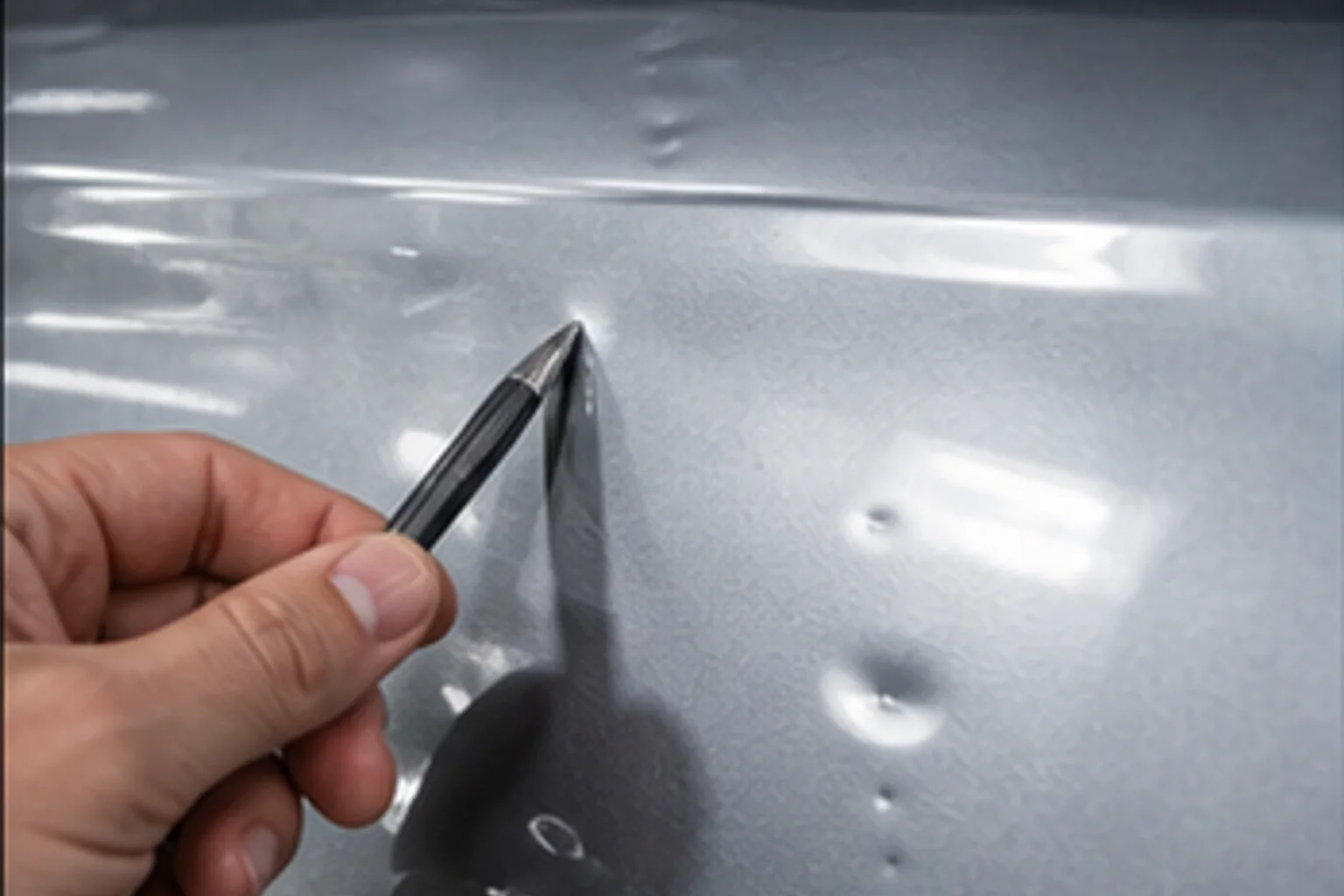
Hail impacts create round, shallow dents across exposed flat panels. The paint surface usually stays intact and the underlying metal compresses rather than tears — which makes hail damage the ideal application for PDR.
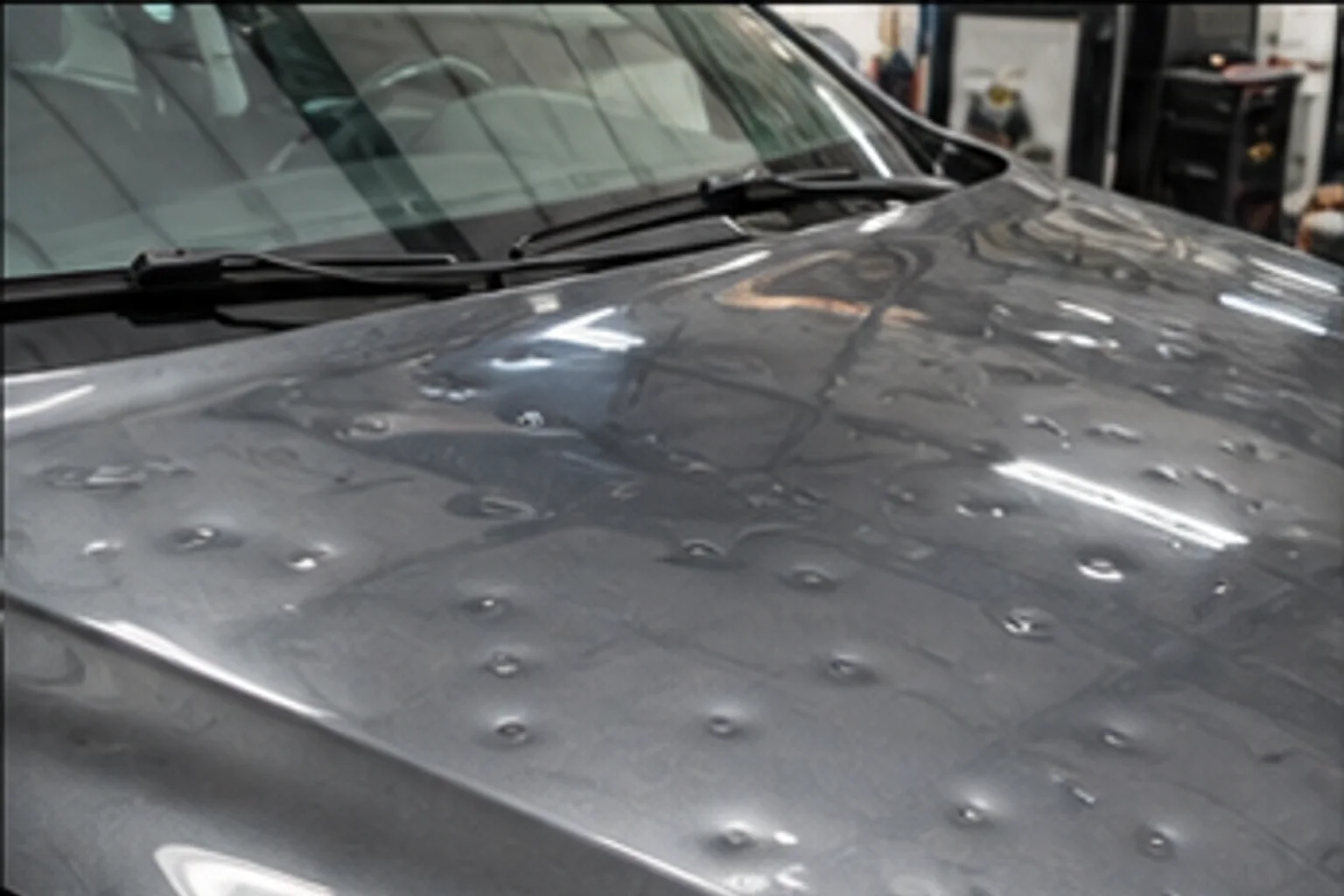
Hail impacts create round, shallow dents across exposed flat panels — the paint surface usually stays intact because hailstones are rounded and don't create sharp impact edges, and the underlying metal compresses rather than tears. That combination makes hail damage the ideal application for paintless dent repair.
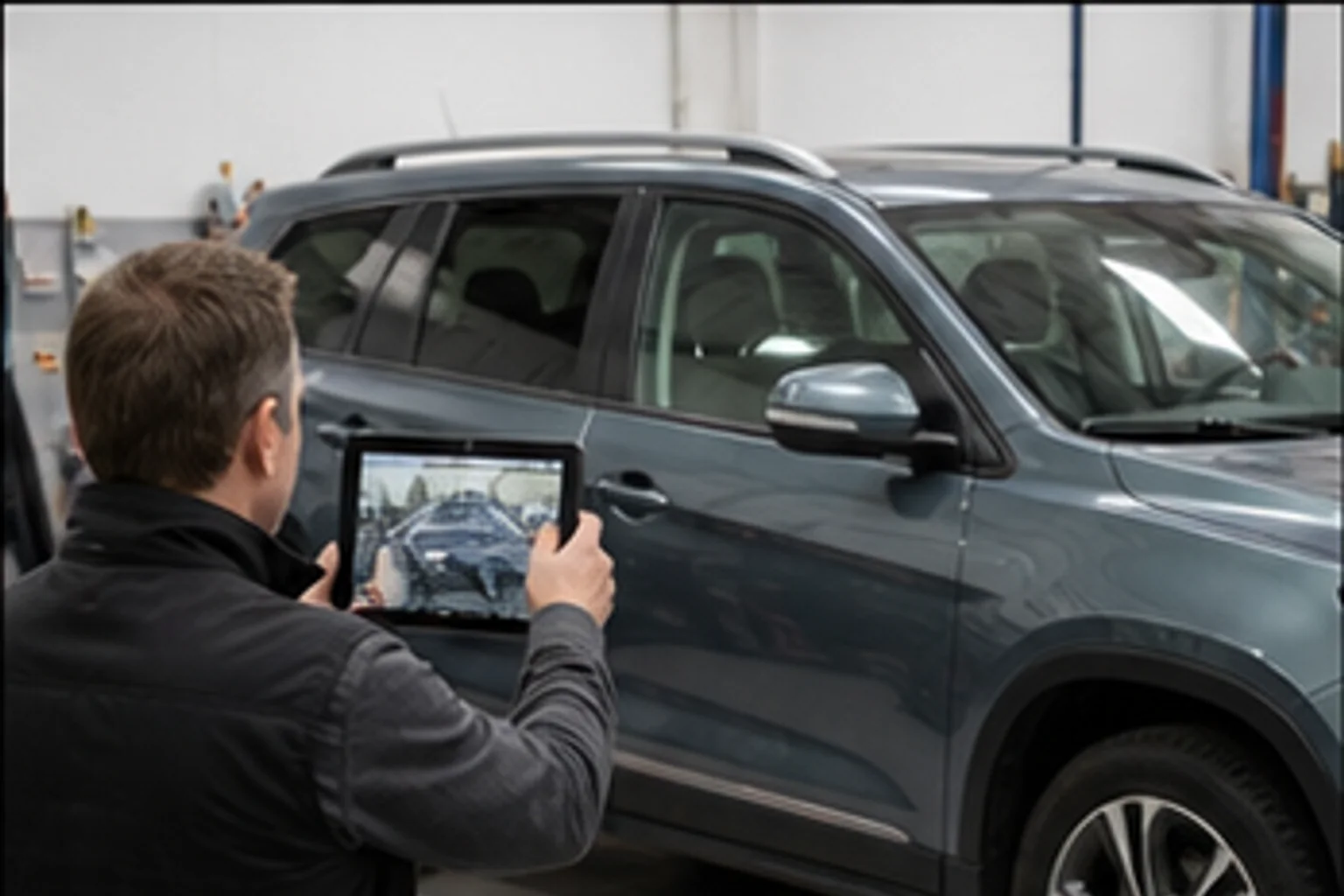
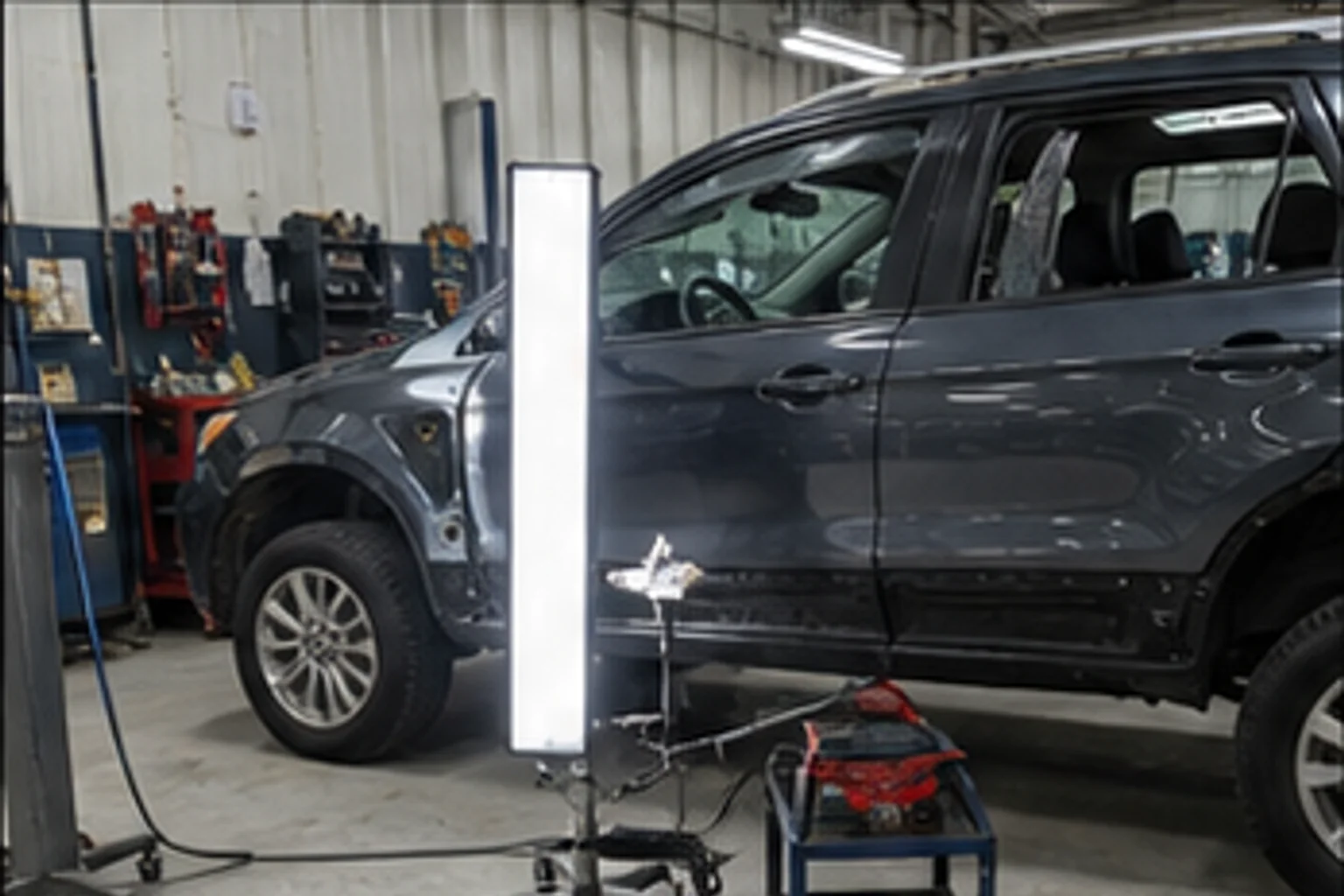
We inspect the entire vehicle under directional lighting and document every hail dent — including panel edges and areas easy to miss in normal lighting. This documentation supports your insurance claim and ensures nothing is overlooked during the repair cycle.
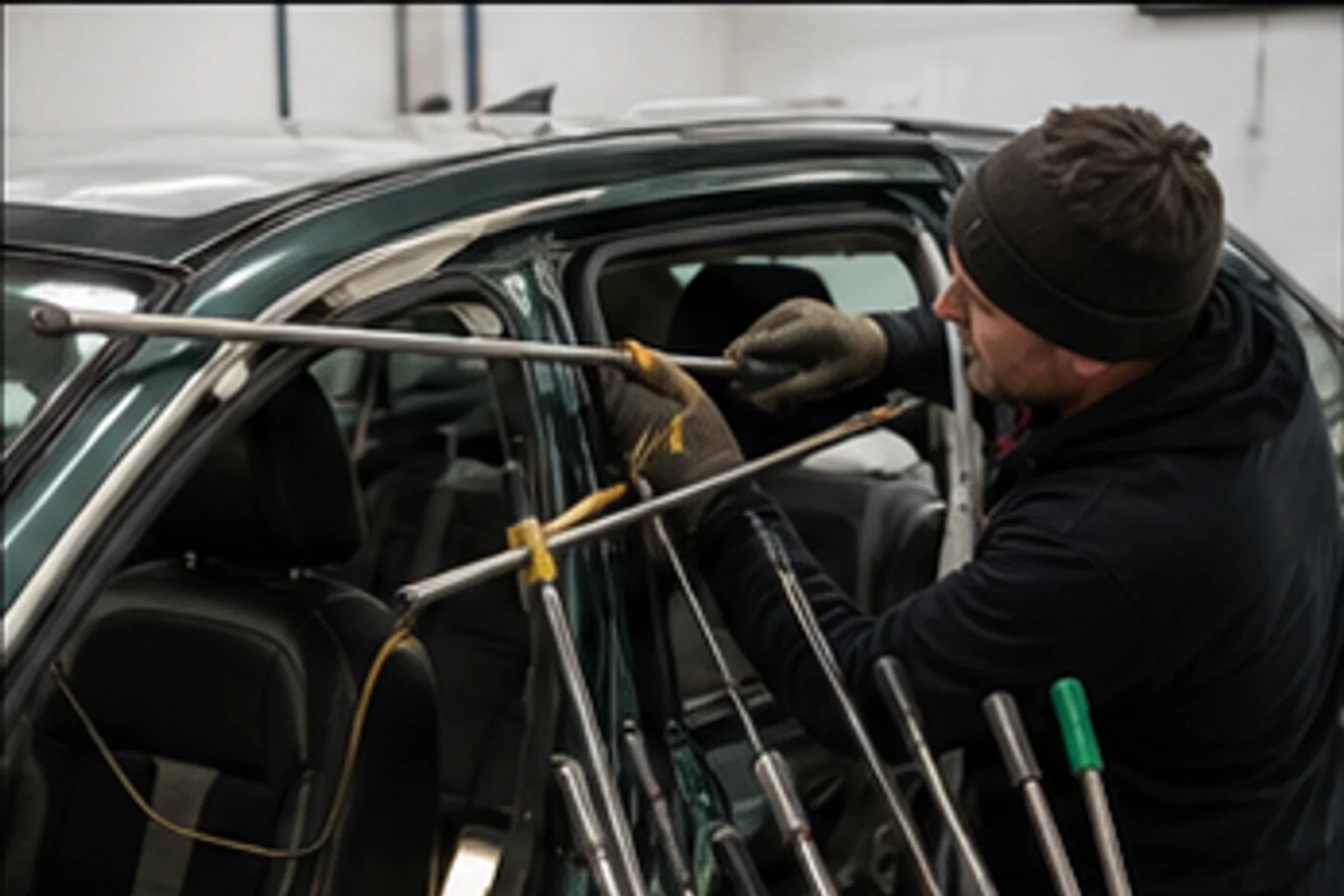
Our technicians work through each affected panel systematically using graduated PDR rods and pick tools, repairing every confirmed dent — not just the visible ones — using reflected light to verify each one is fully resolved before moving to the next.

What it covers
Comprehensive coverage — not collision coverage — is what pays for hail damage. Here's what that means for your out-of-pocket cost.
Comprehensive coverage is the part of your policy that pays for hail damage. If you carry comprehensive, hail damage is a covered loss, and your deductible is typically your only out-of-pocket cost.

Common comprehensive deductibles are $250, $500 or $1,000 — the insurer pays the remainder. If your deductible is $500 and the repair costs $800, you pay $500 and insurance pays $300.

Hail damage is classified as a comprehensive, non-fault claim in most states including Massachusetts, so it doesn't count against you the way an at-fault collision claim does.

We work directly with your insurance adjuster to submit the damage assessment and confirm coverage — you don't manage the back-and-forth between the shop and the insurer.
Even when damage appears minor, insurance companies typically approve PDR repairs — leaving hail dents unrepaired reduces vehicle value.
Hail impacts create round, shallow dents distributed across exposed flat panels — the hood, roof, trunk and tops of fenders are hit hardest. In moderate storms, 10–30 dents per panel is common.
In severe events, a single vehicle may have 150 or more individual dents across every exposed panel from a single storm.
Hailstones are rounded and don't create sharp impact edges that fracture paint, so the paint surface usually remains intact even across dozens of dents.
Hail impacts compress the panel rather than stretching or tearing it, and unlike collision dents, hail dents rarely affect the structural frame or safety systems.
If a large hailstone cracked or chipped the paint on specific impacts, those individual dents are repaired with traditional filler and color-matched paint while the rest are handled with PDR.
How it works
Every confirmed dent is repaired and verified — not just the ones visible at a glance.
We inspect the entire vehicle under directional lighting and document every hail dent — including panel edges and areas that are easy to miss in normal lighting. This documentation supports your insurance claim and ensures nothing is overlooked during the repair cycle.
We work directly with your insurance adjuster to submit the damage assessment and confirm coverage. Most comprehensive auto insurance policies cover hail damage repair in full. Your out-of-pocket cost is typically limited to your deductible.
Our technicians work through each affected panel systematically using graduated PDR rods and pick tools. We repair every confirmed dent — not just the visible ones — using reflected light to verify each dent is fully resolved before moving to the next.
After each panel is repaired, we verify the paint surface under multiple light angles. If any dent caused paint stress that wasn't visible before repair, we address it at this stage before returning the vehicle.
Your vehicle is returned with a completed repair record. We document the pre- and post-repair condition for your insurance records and our warranty file.
Why this shop
Because the paint surface usually remains intact after hail, PDR restores every dent without repainting — preserving your vehicle's original factory finish.
We inspect the entire vehicle under directional lighting and document every hail dent, including panel edges and areas easy to miss in normal light, before repair begins.
We work directly with your insurance adjuster to submit the damage assessment and confirm coverage — you don't manage the back-and-forth between the shop and the insurer.
If a hailstone cracked or chipped the paint on a specific impact, that dent is repaired with traditional filler and color-matched paint while the rest of the vehicle is handled with PDR — nothing gets left half-finished.
TownDrive to shop
Concord, Lexington and Burlington drivers are within 15 minutes of the shop. Free hail assessments either way — call (781) 271-9110.
Most hail damage repairs take 1–3 days depending on the number of dents and the number of panels affected. A moderate hail event affecting 2–3 panels with 20–40 dents total typically requires one full day. A severe event with 100+ dents across multiple panels may take 2–3 days. We provide a time estimate after the initial damage assessment.
Paintless dent repair is the standard method for hail damage when the paint surface is intact, which is the case in the majority of hail events. If a large hailstone cracked or chipped the paint on specific impacts, those individual dents are repaired with traditional filler and color-matched paint while the remaining dents are handled with PDR. We identify which dents require which method during the initial assessment.
Yes — hail damage significantly reduces a vehicle's resale value and is visible to any appraiser or buyer. PDR restores the panels to factory condition and preserves the original paint, which maximizes your resale value. A vehicle with documented hail damage that has been professionally repaired with PDR typically appraises at or near its pre-hail value.
You should schedule a hail damage assessment as soon as possible after a storm — within 1–2 weeks if possible. After a regional hail event, repair shops fill up quickly. Delaying repair also increases the risk of secondary damage if the vehicle is exposed to another weather event. Contact your insurance company promptly, then call us to schedule.
Hidden hail dents are often only visible under directional or angled sunlight — look for shallow dimpling or uneven reflections across the hood, roof, and trunk. Clusters of small round depressions that appear in straight-line patterns across a flat panel are a strong indicator of hail impact. If you drove through a hail event and notice any of these signs, bring your vehicle in for a free damage assessment — some impacts are difficult to detect without a proper lighting inspection.
Free estimates · All major insurers · Bedford, MA since 2005