Bumper repair

Repair over replacement when possible

Bumper repair is the right choice when the structural integrity of the cover is maintained and the damage is cosmetic. Replacement is correct when the cover can't hold its shape or the underlying bumper beam has been compromised. In our experience, 60–70% of bumper damage is repairable rather than a full replacement.

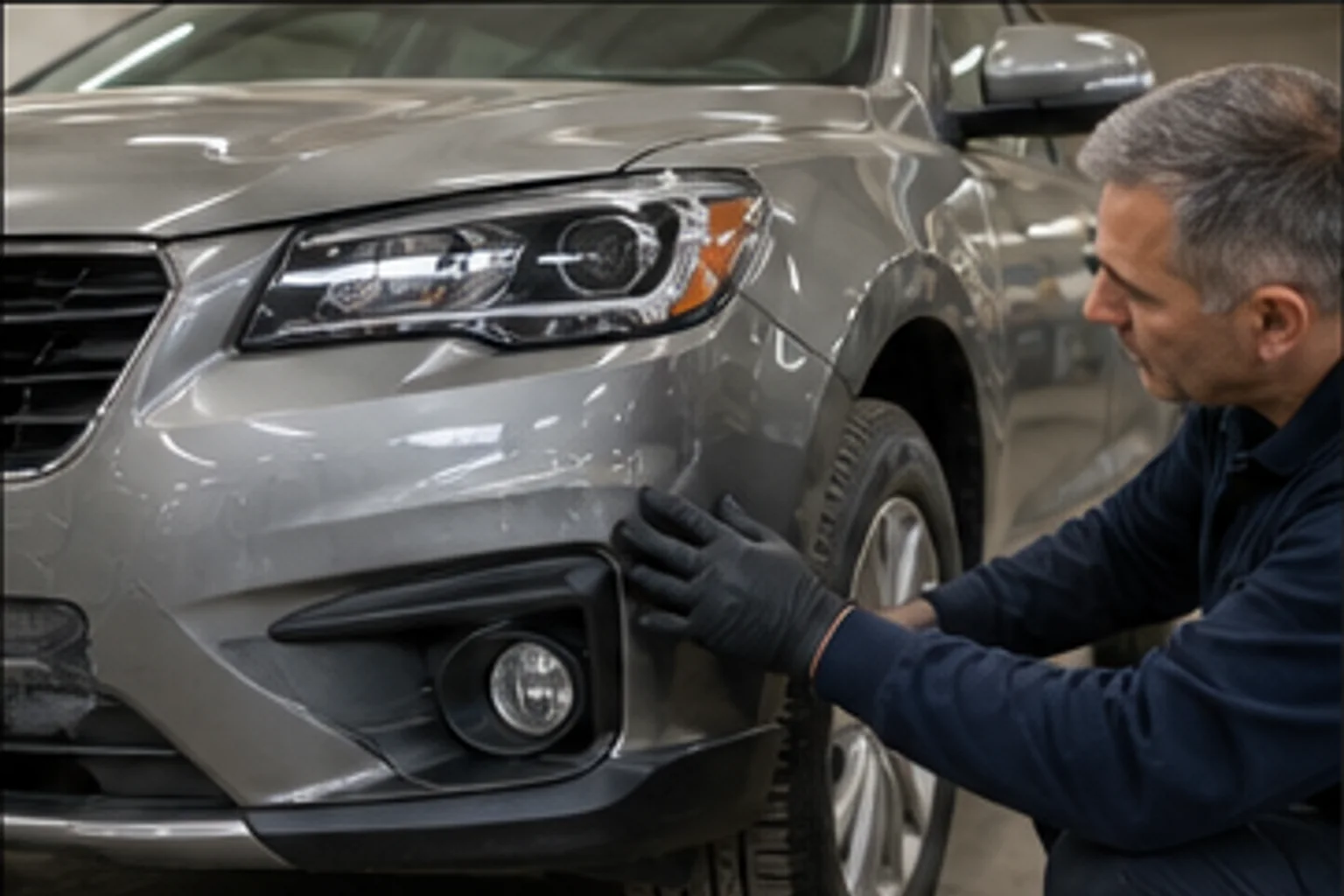
Bumper assessment — repair or replace

We repair when the structure allows it

Bumper repair is the right choice when the structural integrity of the cover is maintained and the damage is cosmetic — dents, scuffs, paint transfer or contained cracks. Replacement is reserved for covers that can't hold their shape or where the underlying bumper beam is compromised. About 60–70% of the bumper damage we see is repairable.

  • Repair preferred when the cover still holds its shape
  • Replacement reserved for beam or sensor damage
  • ~60–70% of bumper damage is repairable
Sensor and structure check

Every repair starts with a sensor audit

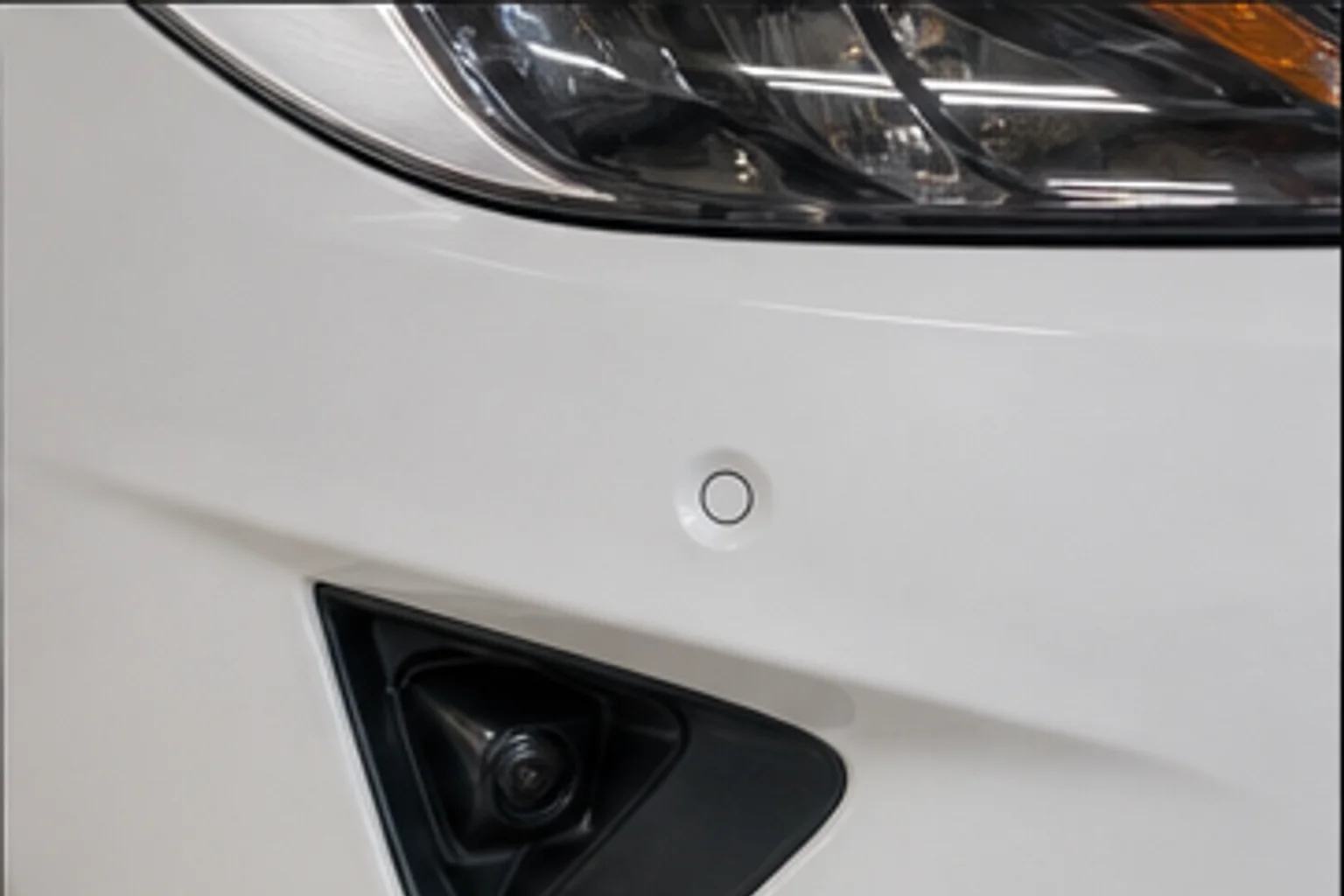
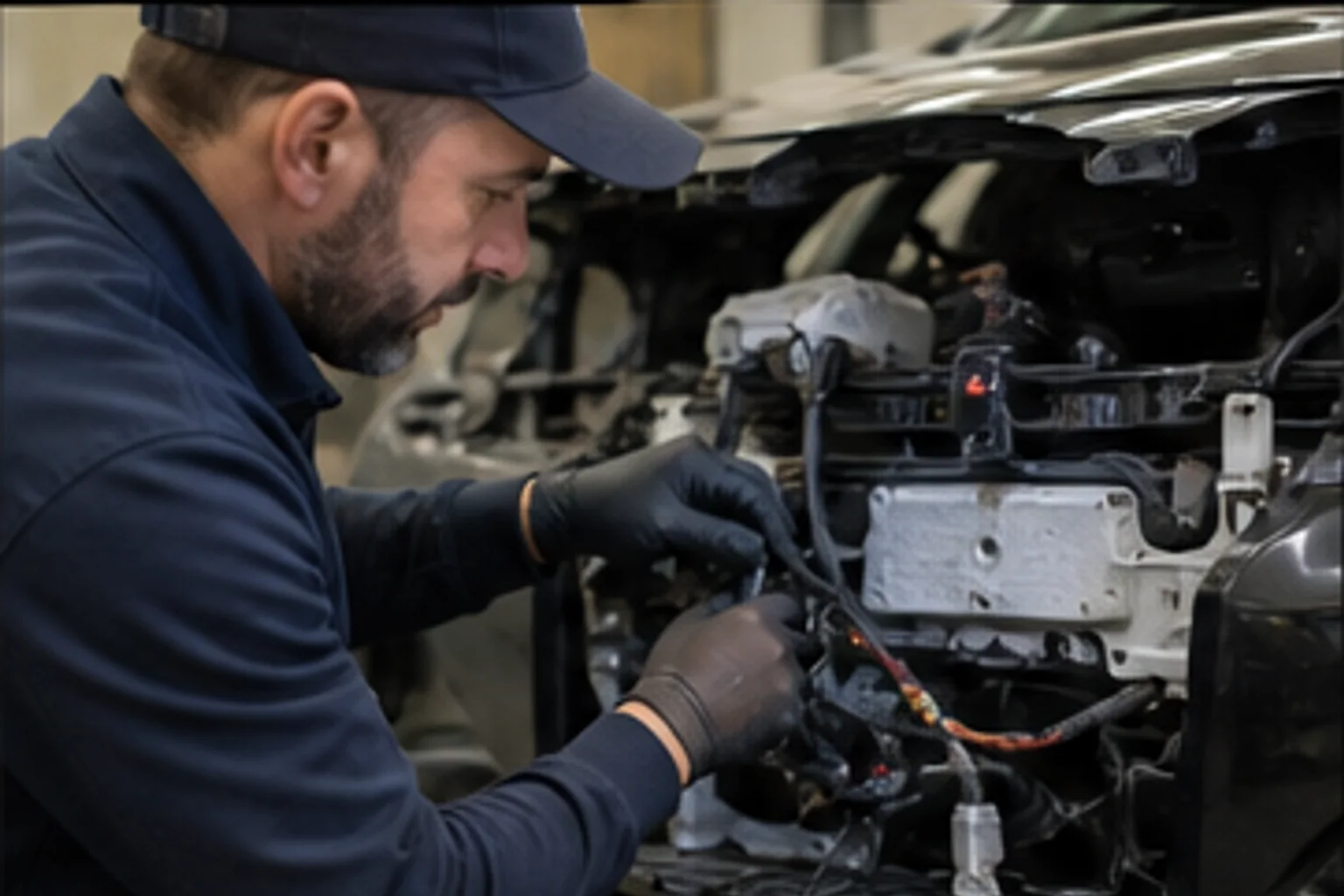
We inspect the bumper cover for structural damage, paint condition and sensor or camera placement before recommending a repair method, and check whether the underlying bumper beam has been affected — because that changes the repair scope.

  • Structural, paint and sensor inspection
  • Bumper beam checked before scoping repair
  • Method recommended only after full assessment
Structural restoration — plastic repair

Original geometry, then paint

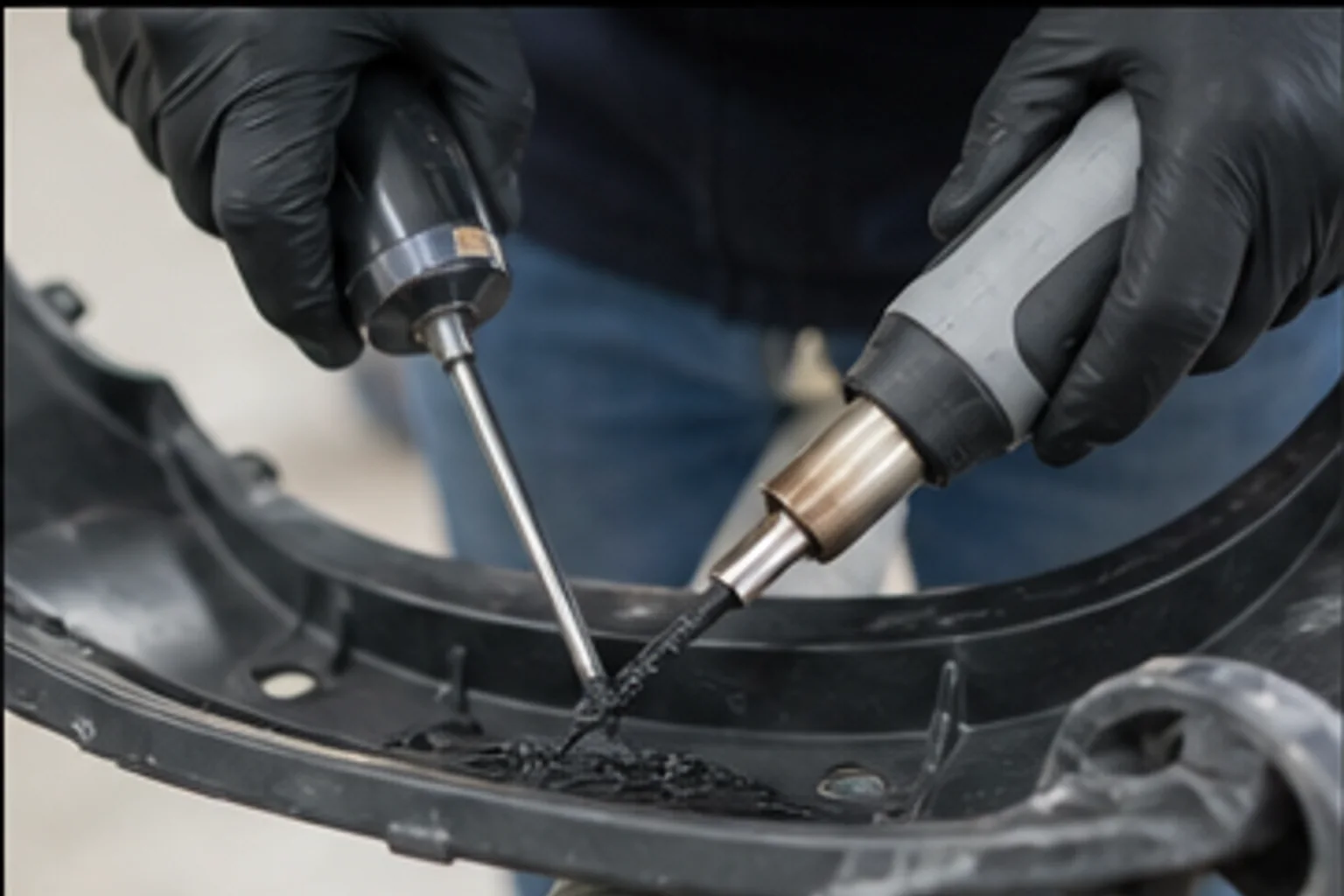
Depending on the damage type, we use heat reshaping to return deformed plastic to its original profile, plastic welding to rejoin cracked sections, or body filler for minor depressions — restoring geometry before any paint work begins.

  • Heat reshaping for deformed plastic
  • Plastic welding for cracked sections
  • Filler for minor depressions
Finished bumper — hand-back

Bumper repair at a glance

Turnaround
1–2 days
Cost range
$150–$600 repair; $600–$1,500 replacement
Sensors
Audited & recalibrated on every repair
Insurance
Collision coverage, subject to deductible
Warranty
Lifetime workmanship
Get a free estimate

What it covers

Repair or replace — decided honestly

Every bumper is assessed on its own merits. Here's what tips the decision either way.

Repair Is the Right Call When…

Repair Is the Right Call When…

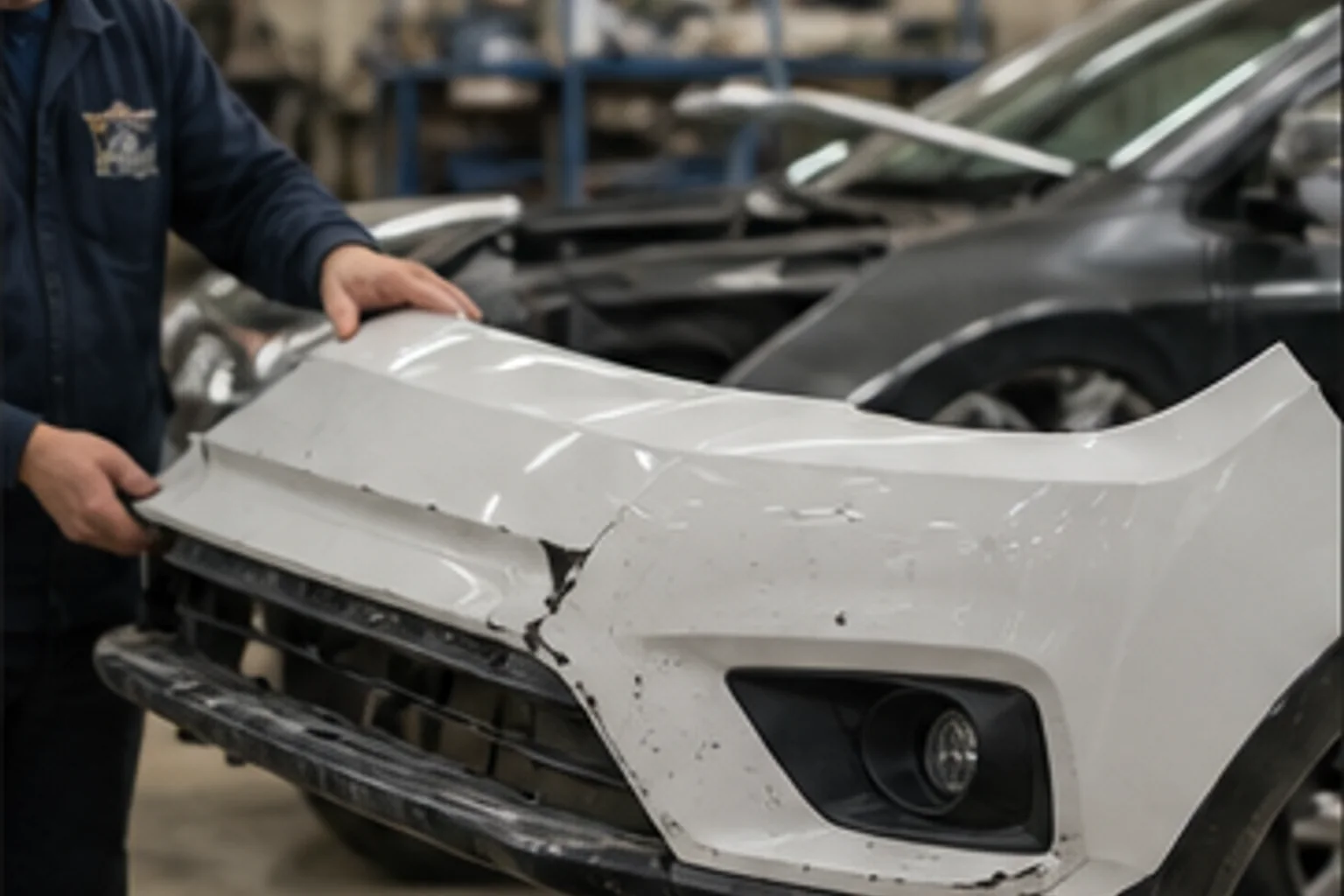
Dents under 3 inches with no cracking, scuffs or paint transfer that haven't penetrated the material, hairline or contained cracks that don't affect fitment, and a cover that still aligns correctly to the body all typically point to repair over replacement.
Replacement Is the Right Call When…

Replacement Is the Right Call When…

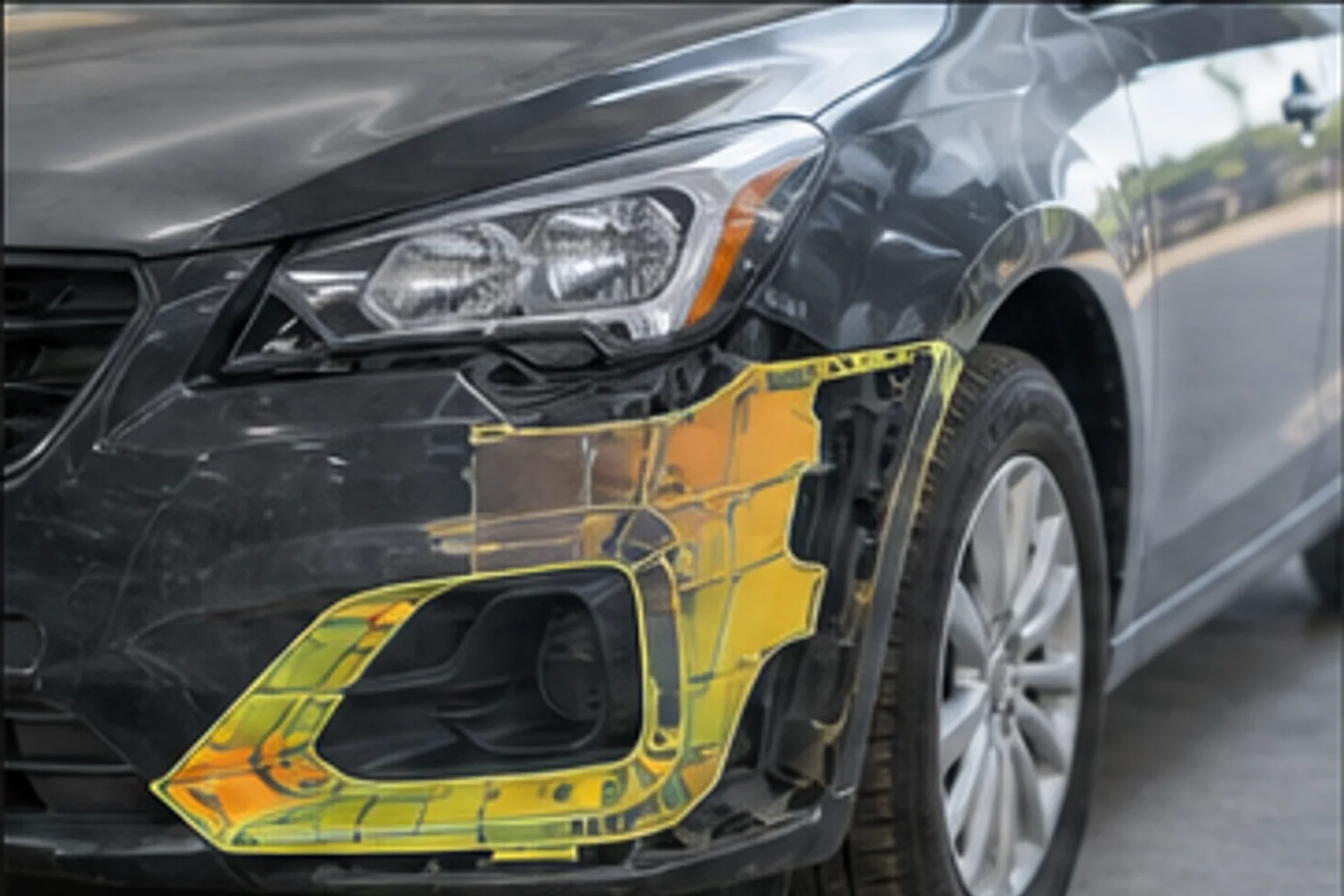
The cover is fractured across multiple panels, can't return to its original shape after reshaping, the underlying bumper beam or brackets are damaged, or safety sensors and camera mounts embedded in the bumper are compromised.

60–70% of Bumper Damage Is Repairable

60–70% of Bumper Damage Is Repairable

In our experience, approximately 60–70% of bumper damage that comes into the shop can be repaired rather than replaced — at significantly lower cost. We only recommend replacement when repair isn't the structurally correct answer.

Sensors and Cameras Preserved

Sensors and Cameras Preserved

Modern bumper covers contain embedded parking sensors, radar sensors and backup cameras. These are carefully removed before structural work begins and recalibrated after reinstallation — every bumper repair includes a sensor audit.

Factory Paint Code Color Match

Factory Paint Code Color Match

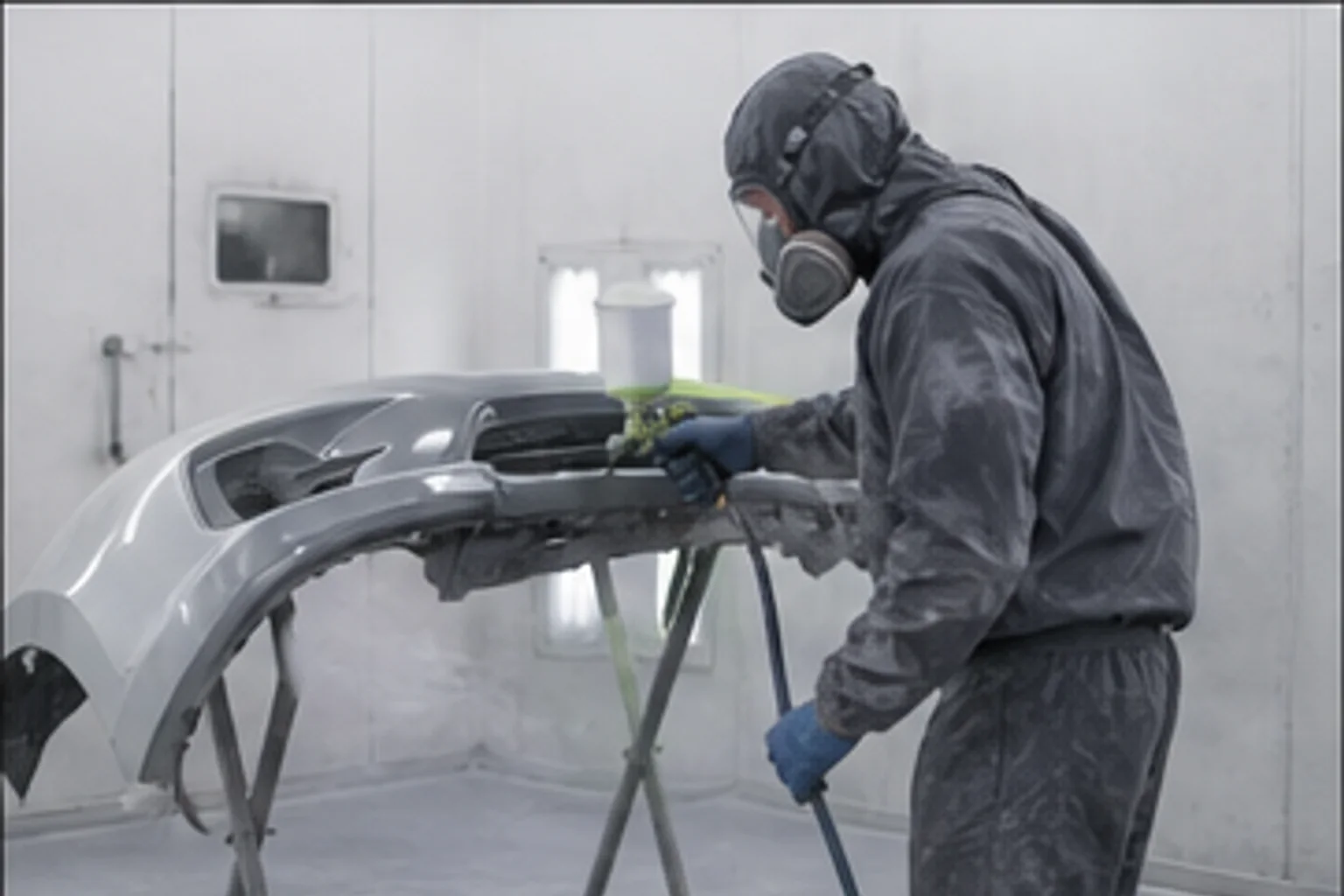
Once structural repair is complete, we apply automotive primer and blend color-matched paint using your vehicle's factory paint code, not an approximation, then clear-coat and blend into surrounding panels for a seamless finish.

Dents and deformations

Low-speed impacts from parking lot contacts, reversing into posts or barriers, and minor collisions create dents in plastic bumper covers. Depending on depth and location, these are repaired using heat reshaping, PDR-adjacent techniques, or filler and repaint — we assess which method is structurally correct for each dent.

Scuffs and paint transfer

Contact with curbs, walls and other vehicles often leaves paint transfer and surface scuffing without structural deformation. We remove the paint transfer, repair the scuff, and blend the paint to match your vehicle's factory color. In most cases, scuff repair does not require removing the bumper.

Cracks and splits

Harder impacts can crack or split the plastic bumper cover along stress lines. If the crack is contained and the structural integrity of the bumper is sound, professional plastic welding and painting can restore it. We evaluate each crack to determine whether repair or replacement delivers the better long-term result.

Corner damage

Bumper corners are the most frequently damaged area because they protrude beyond the vehicle's body lines. Corner damage often involves both deformation and paint damage simultaneously — we handle the structural repair and the color match in a single service.

How it works

Four stages, structure before paint

Original geometry is restored before any primer or paint goes on.

  1. Damage assessment

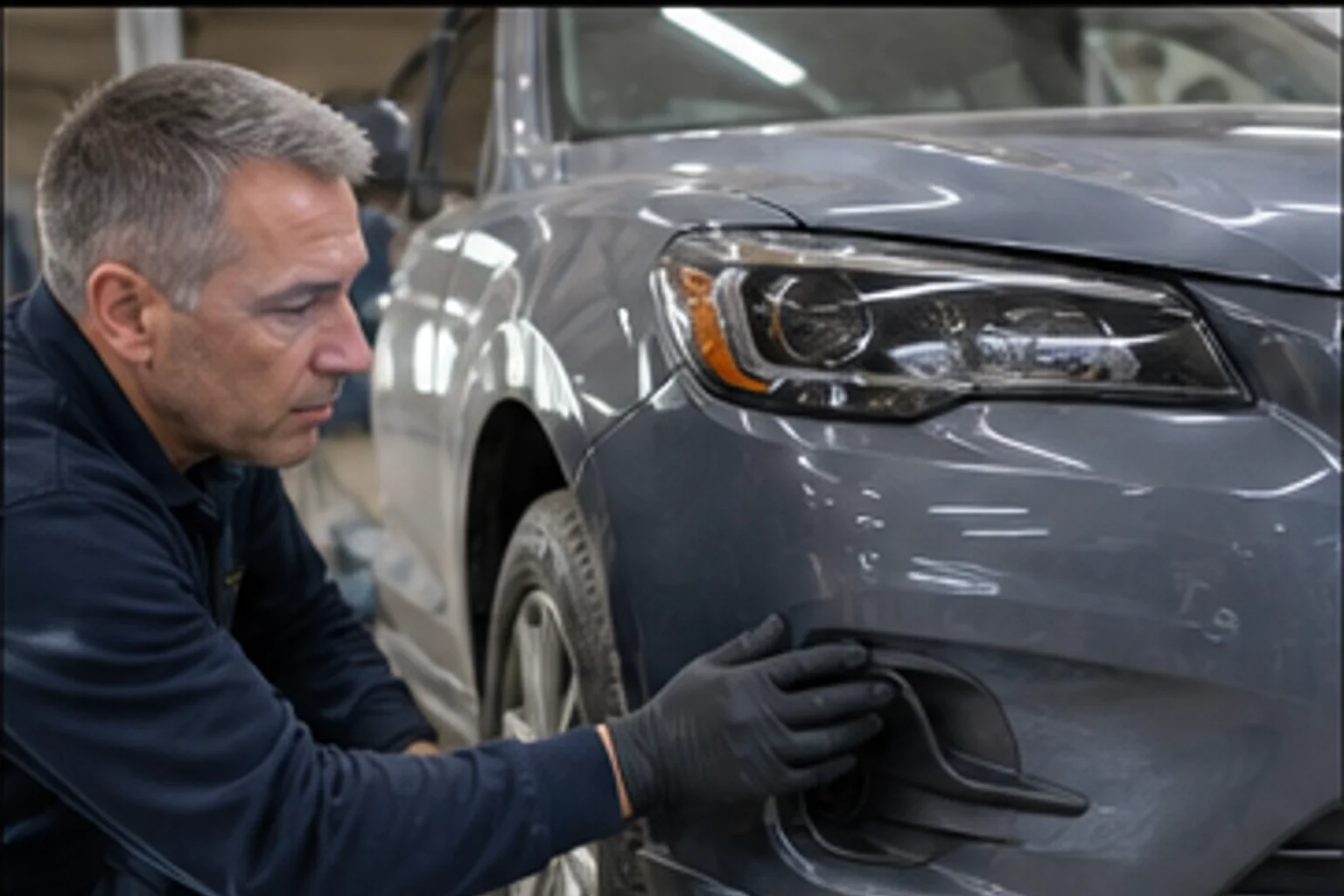
    We inspect the bumper cover for structural damage, paint condition, and sensor/camera placement before recommending a repair method. We check whether the underlying bumper beam has been affected — if it has, that changes the repair scope.

  2. Structural restoration

    Depending on the damage type, we use heat reshaping to return deformed plastic to its original profile, plastic welding to rejoin cracked sections, or body filler to fill minor depressions. The goal is to restore the bumper's original geometry before any paint work begins.

  3. Primer and color match

    Once the structural repair is complete, we apply automotive primer and blend color-matched paint to the repaired area. We use factory paint codes to ensure the color matches your vehicle's original finish, not an approximation.

  4. Clear coat and inspection

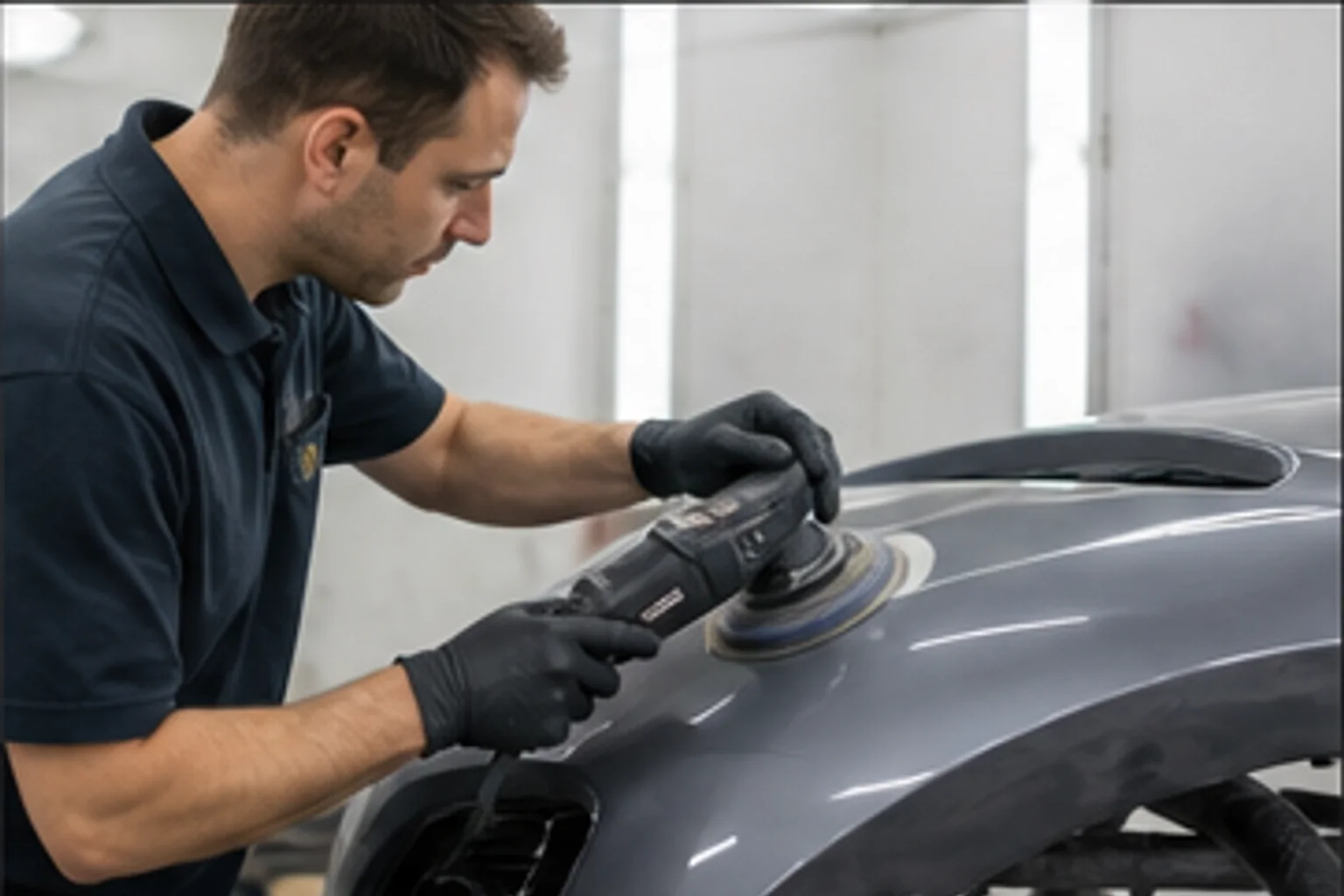
    A clear coat is applied over the repaired area and blended into the surrounding paint for a seamless finish. We inspect the bumper under multiple light angles before returning the vehicle to confirm an invisible repair.

Technician inspecting repair work inside the Invisible Touch collision bay

Why this shop

Repair over replace, honestly assessed

Roughly 60–70% of the bumper damage that comes into the shop can be repaired rather than replaced, at significantly lower cost. We only recommend replacement when repair is not the structurally correct answer.

Factory paint code, not an approximation

Primer and color-matched paint are applied using your vehicle's factory paint code, then blended and clear-coated so the repaired area matches the original finish.

Sensors audited on every repair

Parking sensors, radar sensors and backup cameras embedded in the bumper are carefully removed before structural work and recalibrated after reinstallation — we do not return vehicles with sensors that are misaligned or disconnected.

Color-matched blend, invisible repair line

The clear coat is blended into surrounding paint and the bumper is inspected under multiple light angles before the vehicle is returned, confirming an invisible repair.

TownDrive to shop

Lexington, Burlington and Woburn drivers are within 15 minutes of the shop. Free estimates either way — call (781) 271-9110.

How much does bumper repair cost?

Bumper repair costs $150–$600 in Massachusetts depending on the damage type and whether repainting is required. Scuff removal and minor paint transfer repair is typically $150–$250. Dent repair with blended repaint is $250–$450. Crack repair requiring plastic welding and full bumper repaint is $400–$600. Full bumper replacement (including parts and labor) typically costs $600–$1,500 depending on the vehicle. We provide a written estimate before any work begins.

How long does bumper repair take?

Bumper repair typically takes 1–2 days at Invisible Touch Inc. Minor scuff removal and paint blending can be completed in a half day. Dent repair with full bumper repaint requires overnight drying time and is typically ready the following day.

Is it safe to drive with bumper damage?

You can drive with minor cosmetic bumper damage, but you should have it assessed before driving if the bumper cover is cracked, hanging loose, or has sustained a hard impact. A loose bumper cover creates a road hazard, and a severely cracked cover may expose safety sensors to weather damage. If the bumper is structurally unsound, schedule repair promptly.

Does insurance cover bumper repair?

Bumper repair from a collision is covered under your collision insurance coverage, subject to your deductible. Bumper damage from contact with a stationary object (parking post, curb, barrier) in a single-car incident is also covered by collision insurance. We work with insurance adjusters to document and process bumper repair claims. Contact your insurer to confirm your coverage and deductible before scheduling.

Will my parking sensors and backup camera still work?

Yes — preserving parking sensors, radar sensors, and backup cameras is a standard part of every bumper repair at Invisible Touch Inc. Modern bumper covers contain embedded sensor arrays and camera mounts that must be carefully removed before structural work begins and recalibrated after reinstallation. Our damage assessment always includes a sensor audit before any repair method is recommended. If sensor housing or mounting brackets have been compromised in the impact, we document this separately and address it as part of the repair scope. We do not return vehicles with sensors that are misaligned or disconnected.

Get your vehicle back to factory finish

Free estimates · All major insurers · Bedford, MA since 2005

Damage on your vehicle? Get a free estimate. All major insurers · Phones answered 24/7
(781) 271-9110 Free estimate