Why it happens

Why car paint peels

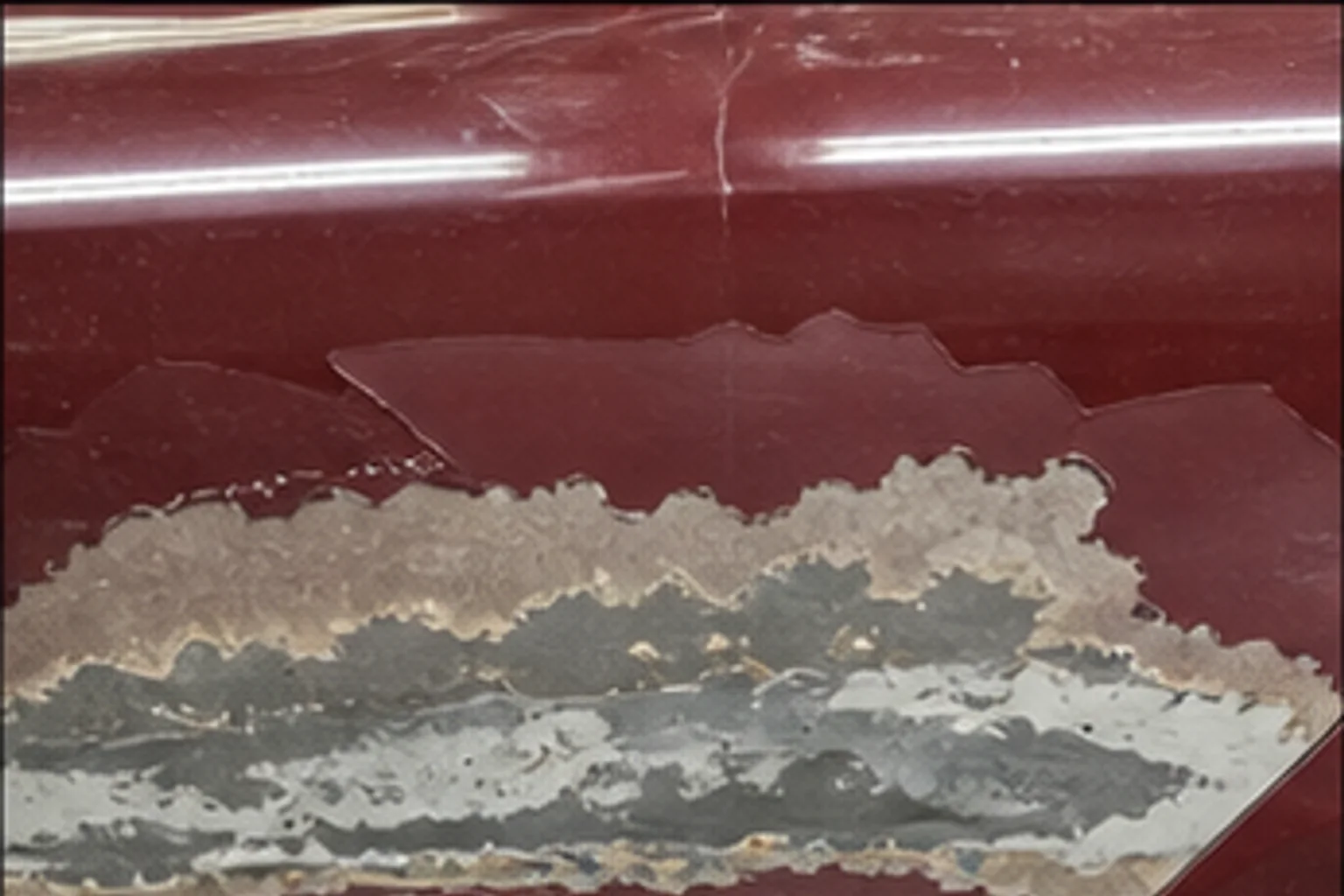
Peeling paint does not stabilize on its own — it spreads. Once the adhesion bond fails in one area, moisture and temperature cycling undercut the surrounding paint and expand the damaged zone with every season.

UV clear coat failure

Sun breaks down the clear coat bond

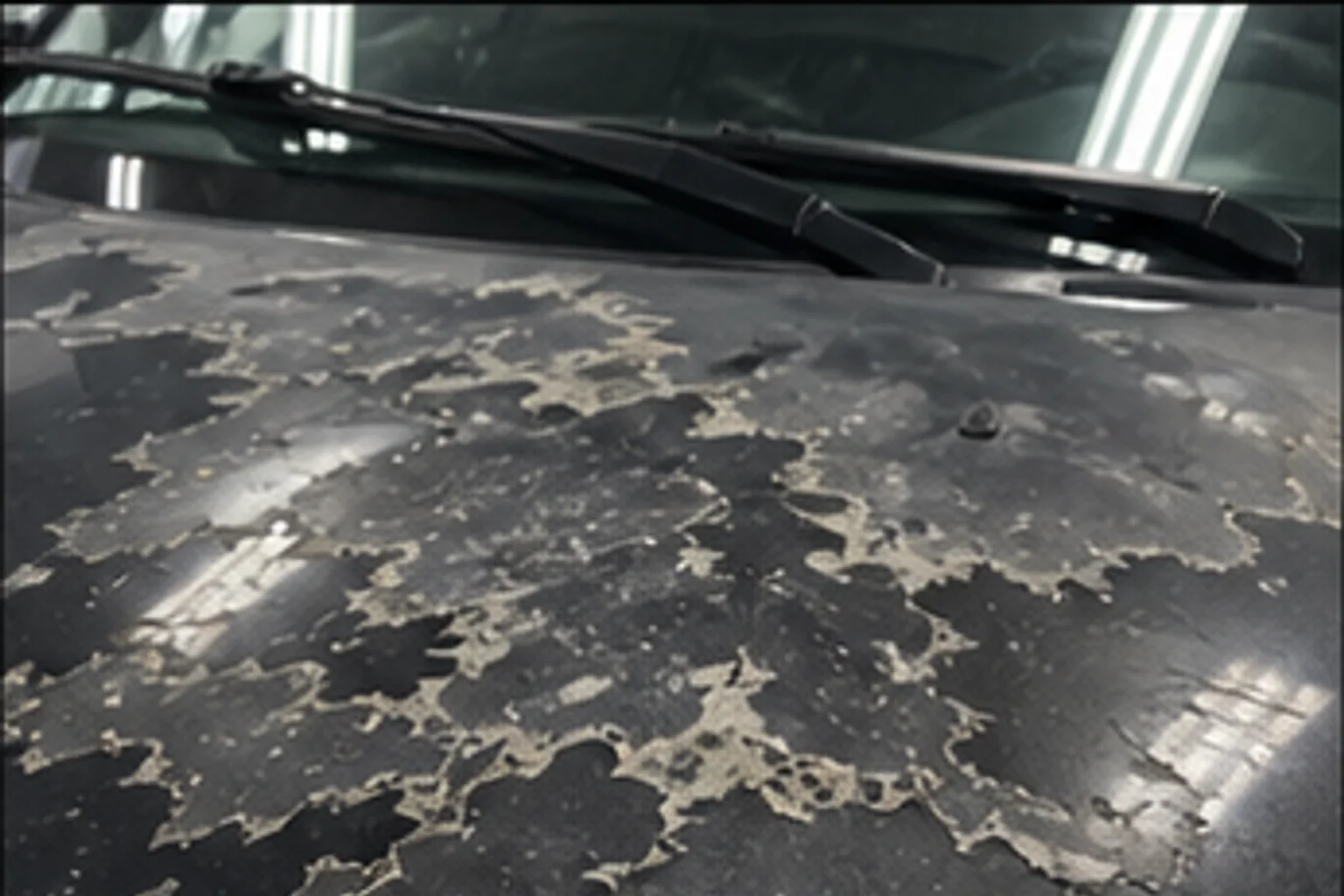
Prolonged sun exposure breaks down the chemical bonds in the automotive clear coat. The clear coat becomes brittle, develops micro-cracks, and begins separating from the base coat layer beneath it — typically starting on horizontal surfaces like the hood, roof, and trunk lid that receive the most direct sunlight. Massachusetts vehicles parked outdoors year-round are especially susceptible.

  • Clear coat becomes brittle and micro-cracks
  • Starts on hood, roof and trunk lid
  • Outdoor-parked MA vehicles most susceptible
Adhesion failure at repair site

The most common cause on newer vehicles

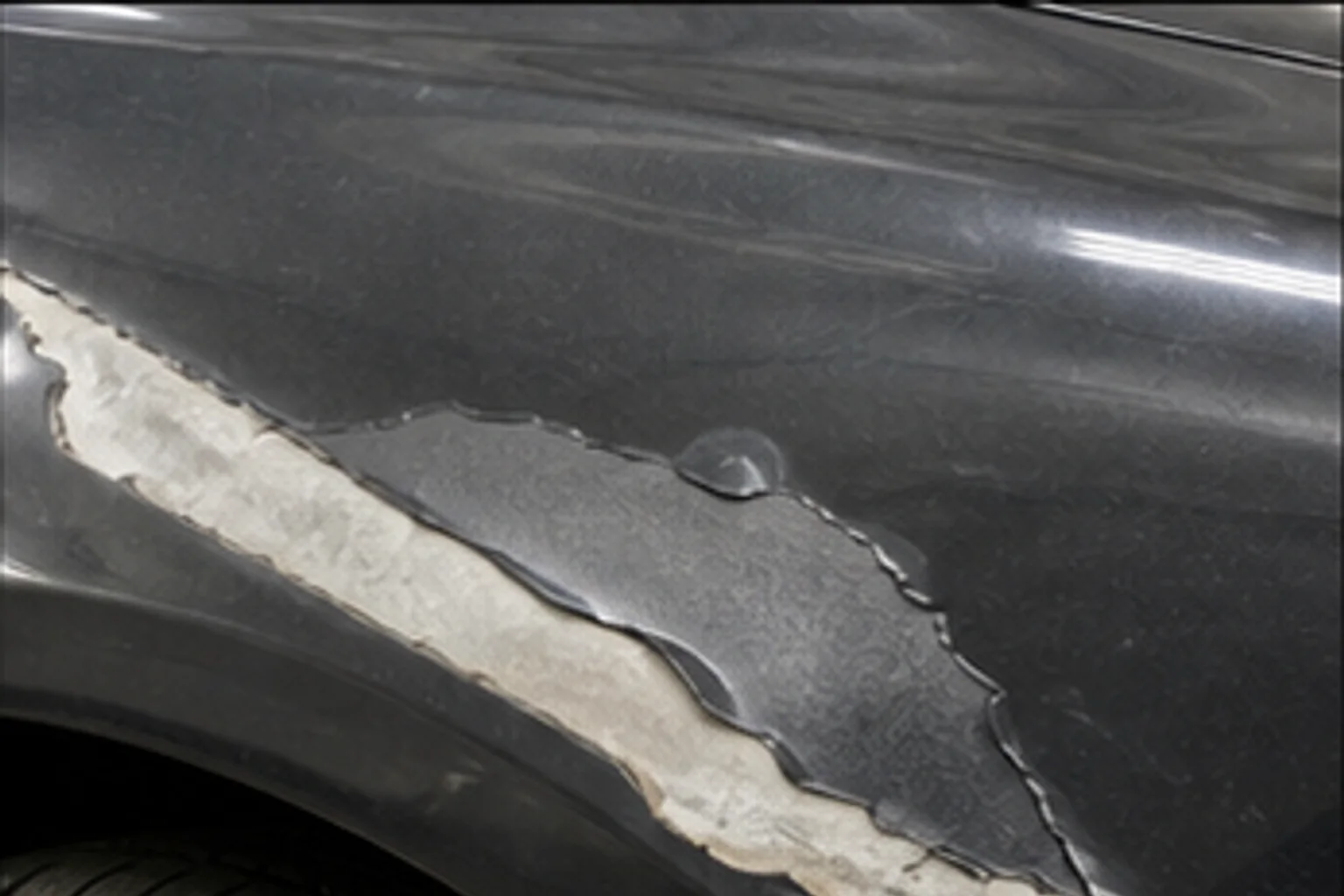
The most common cause of paint peeling on newer vehicles is improper surface preparation at a previous body shop repair. If a prior technician painted over contaminated, insufficiently sanded, or incorrectly primed metal, the new paint layer has no durable bond to the surface beneath it. This type of failure typically appears within 6–18 months of the previous repair.

  • Caused by poor prep at a prior repair
  • Peels outward from the original repair site
  • Typically appears within 6–18 months
Salt corrosion under paint

Rust pushes the paint outward

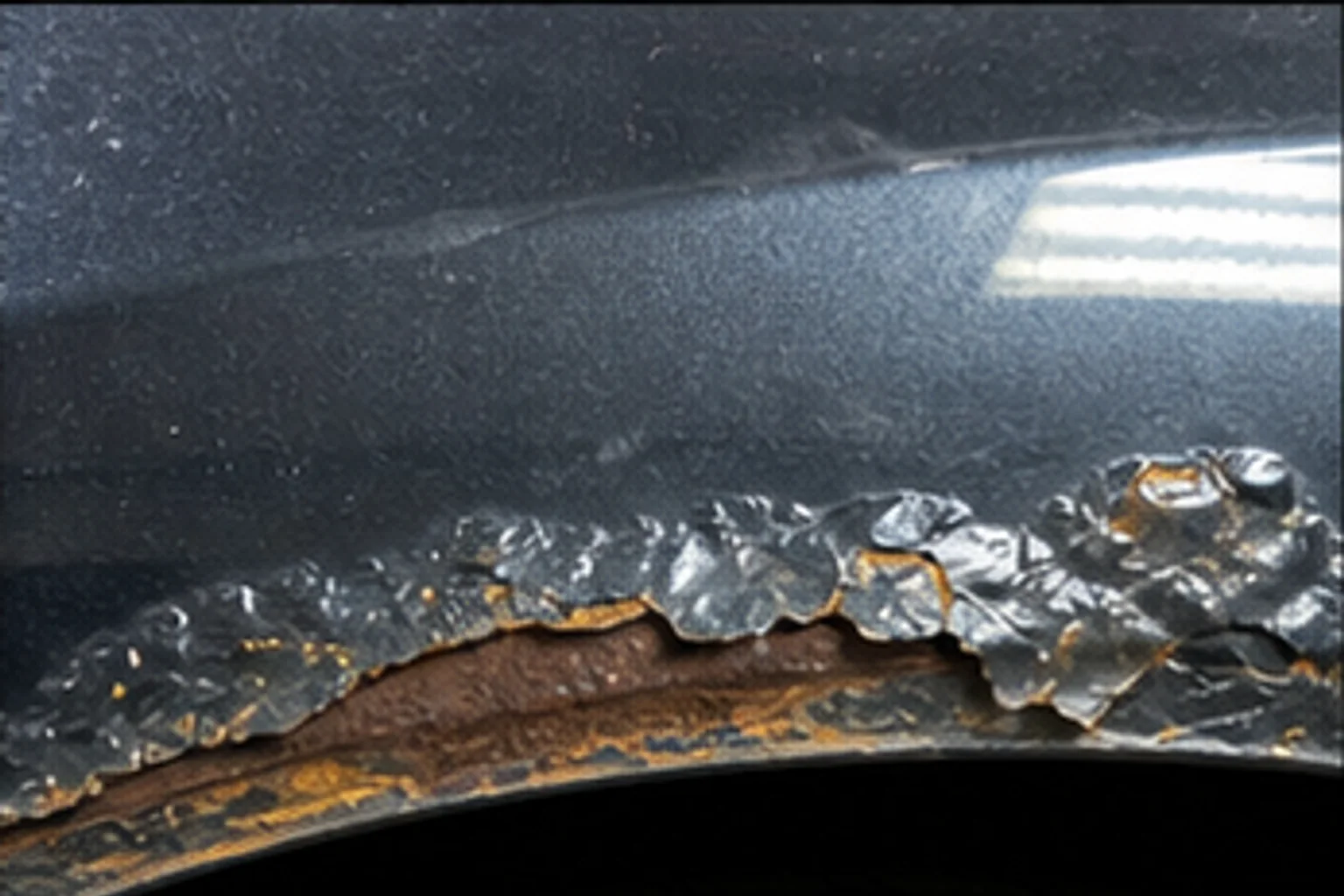
New England road salt and winter moisture create an aggressive corrosion cycle. Salt deposits accumulate in panel seams, wheel wells, and lower body panels where rinse water does not fully reach. Rust develops beneath the paint surface, expands as it oxidizes, and pushes the paint outward in bubbles and flakes — accelerating with each wet-dry cycle through the winter season.

  • Salt collects in seams, wheel wells, lower panels
  • Rust expands and pushes paint into bubbles
  • Accelerates with each winter wet-dry cycle
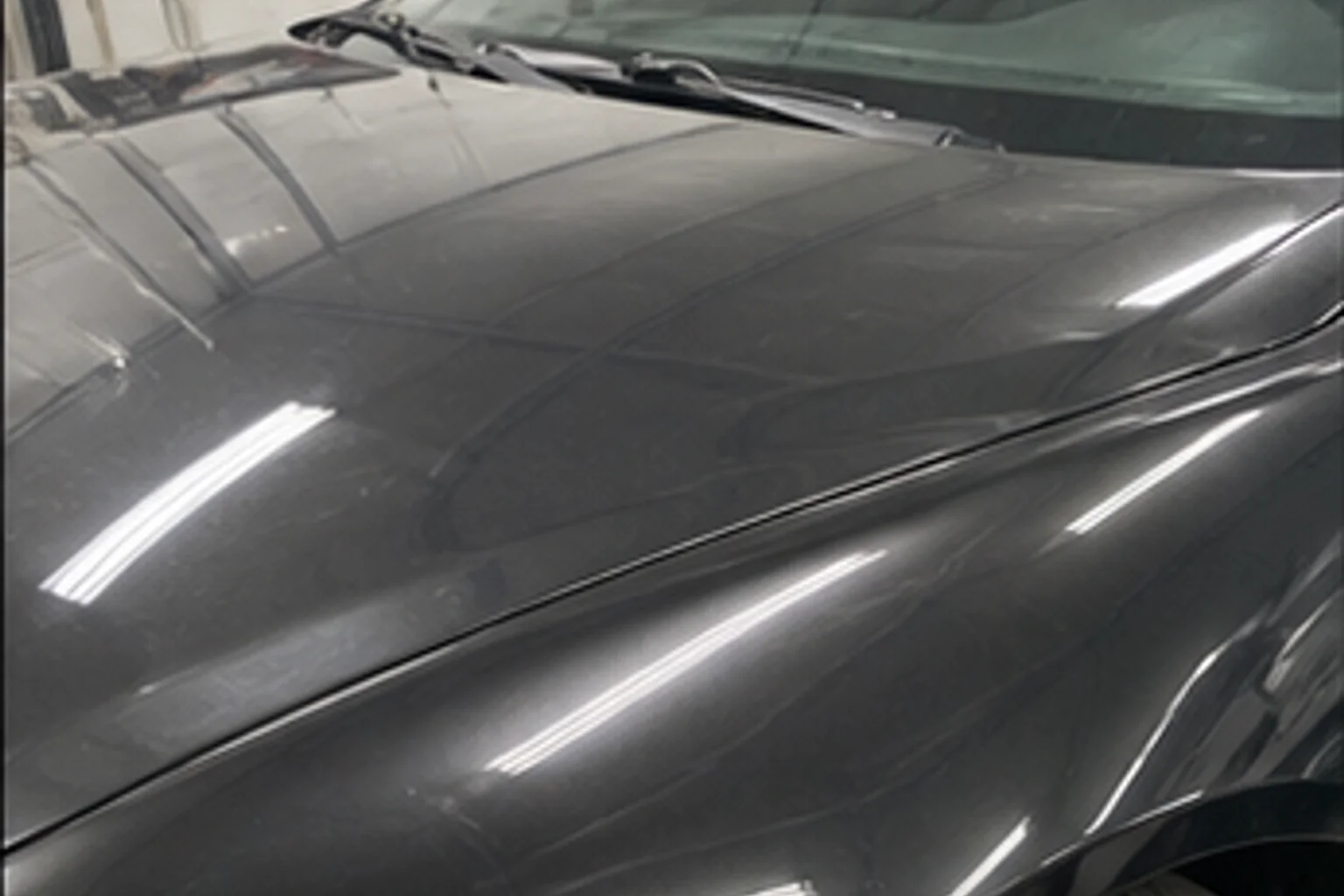
Repaired panel — cured finish

Paint peeling repair at a glance

Cost
$400–$800/panel standard; $800–$1,500+/panel luxury or multi-panel
Timeline
3–7 business days per panel; 10–15 days full-vehicle
Recurrence
Does not recur — root adhesion failure is removed, not painted over
Protection
Ceramic coating or PPF recommended after cure
Get a free estimate

What it covers

How we repair peeling car paint

Every layer that has lost adhesion is removed down to a stable substrate before anything new is applied.

Incompatible Paint Systems

Incompatible Paint Systems

Mixing incompatible paint types — like lacquer over enamel or water-based over oil without sealers — causes poor bonding and eventual peeling, common in DIY or rushed jobs. Paint peeling repair fixes layer failure, not scratches (paint correction) or minor damage like paint chip repair.
Full Removal of Failing Paint

Full Removal of Failing Paint

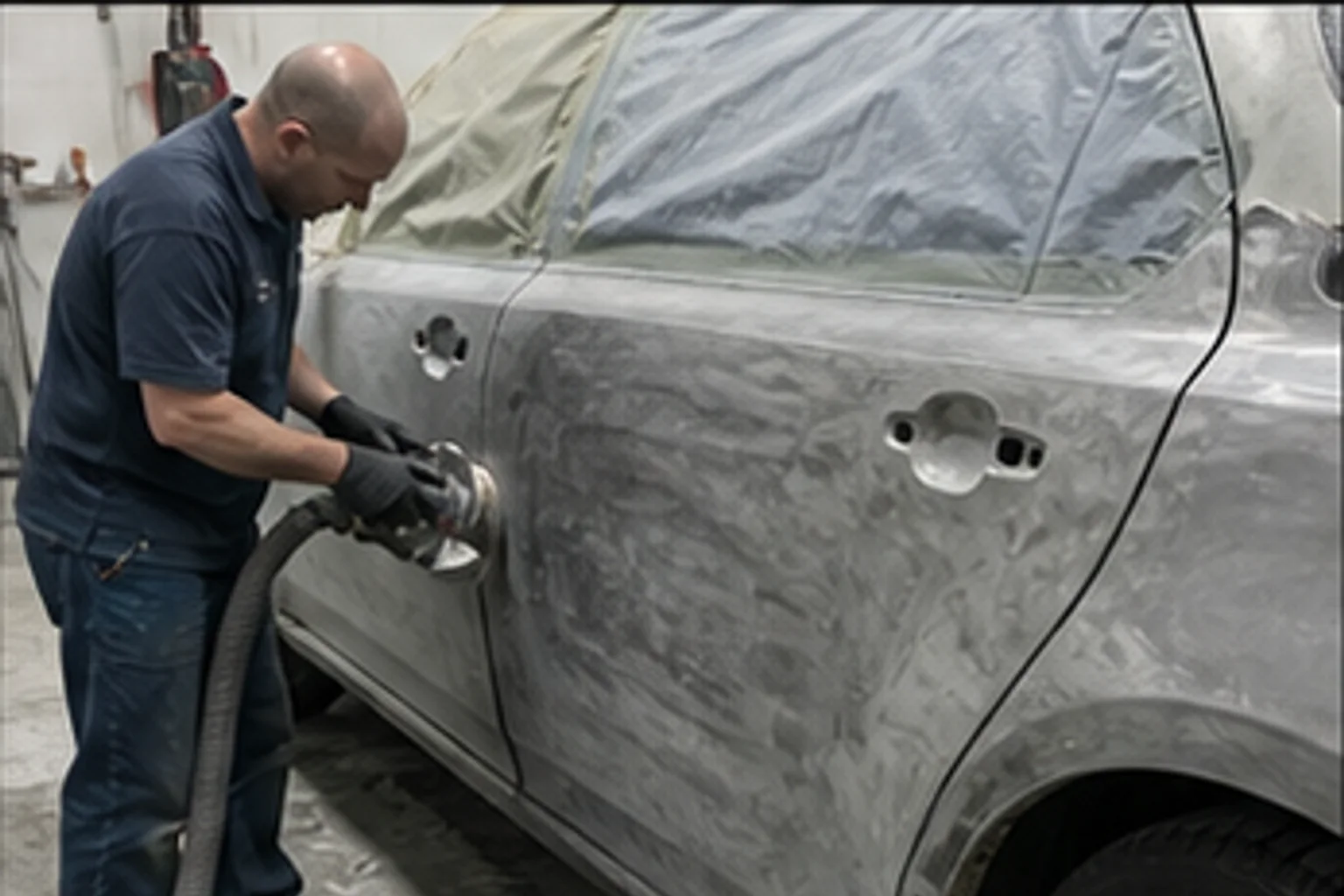
Every layer that has lost adhesion must be removed down to a stable substrate — either bare metal, sound primer, or factory e-coat. We use mechanical sanding and chemical strippers appropriate to the paint system. Painting over any portion of the failed layer guarantees repeat failure within months.

Substrate Treatment & Priming

Substrate Treatment and Priming

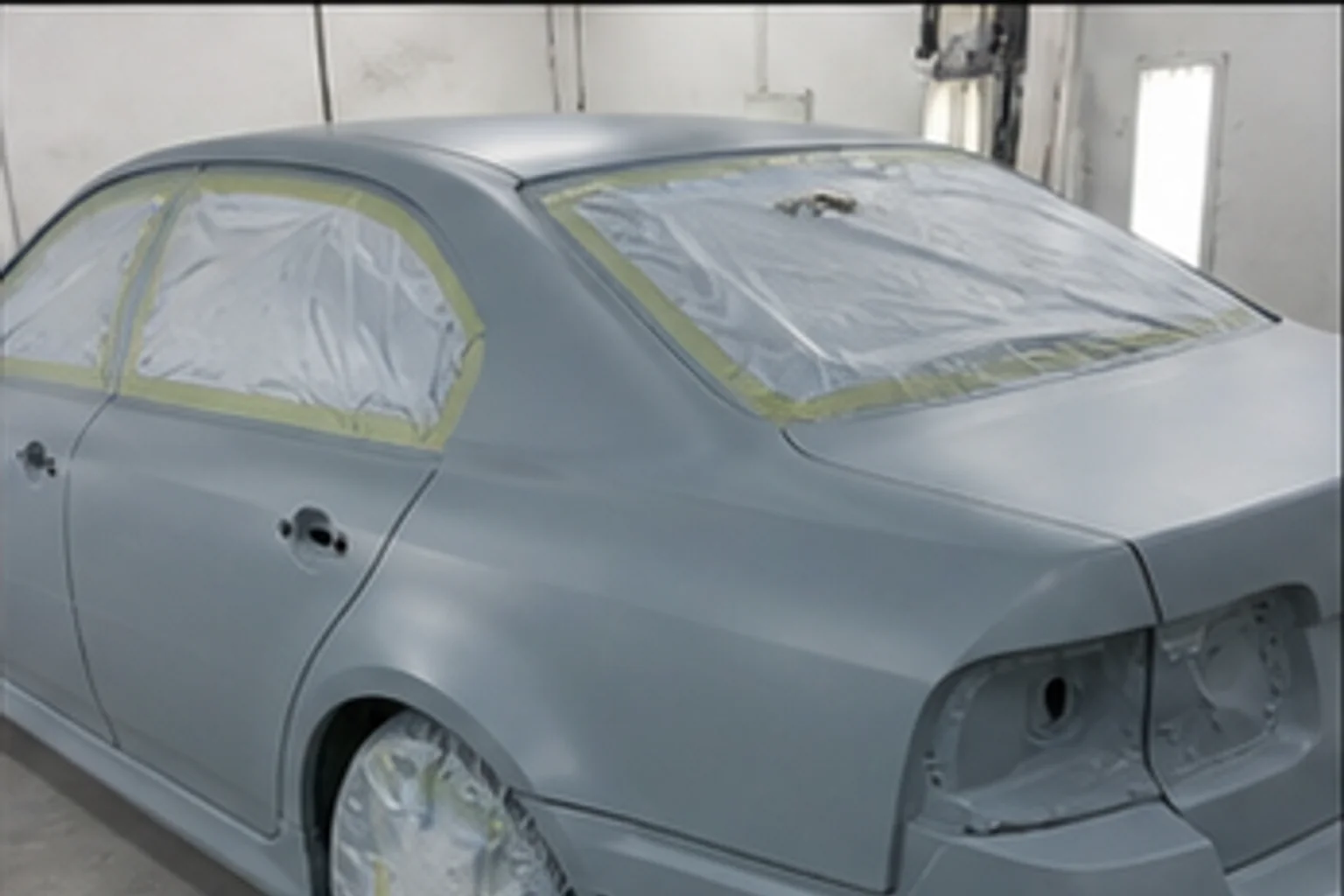
Once the surface is clean and stable, we treat any exposed metal with corrosion inhibitor, feather the edges of the surrounding intact paint for a seamless transition, and apply an adhesion-promoting primer system matched to the paint product being used.

Base Coat, Clear Coat & Cure

Base Coat, Clear Coat and Cure

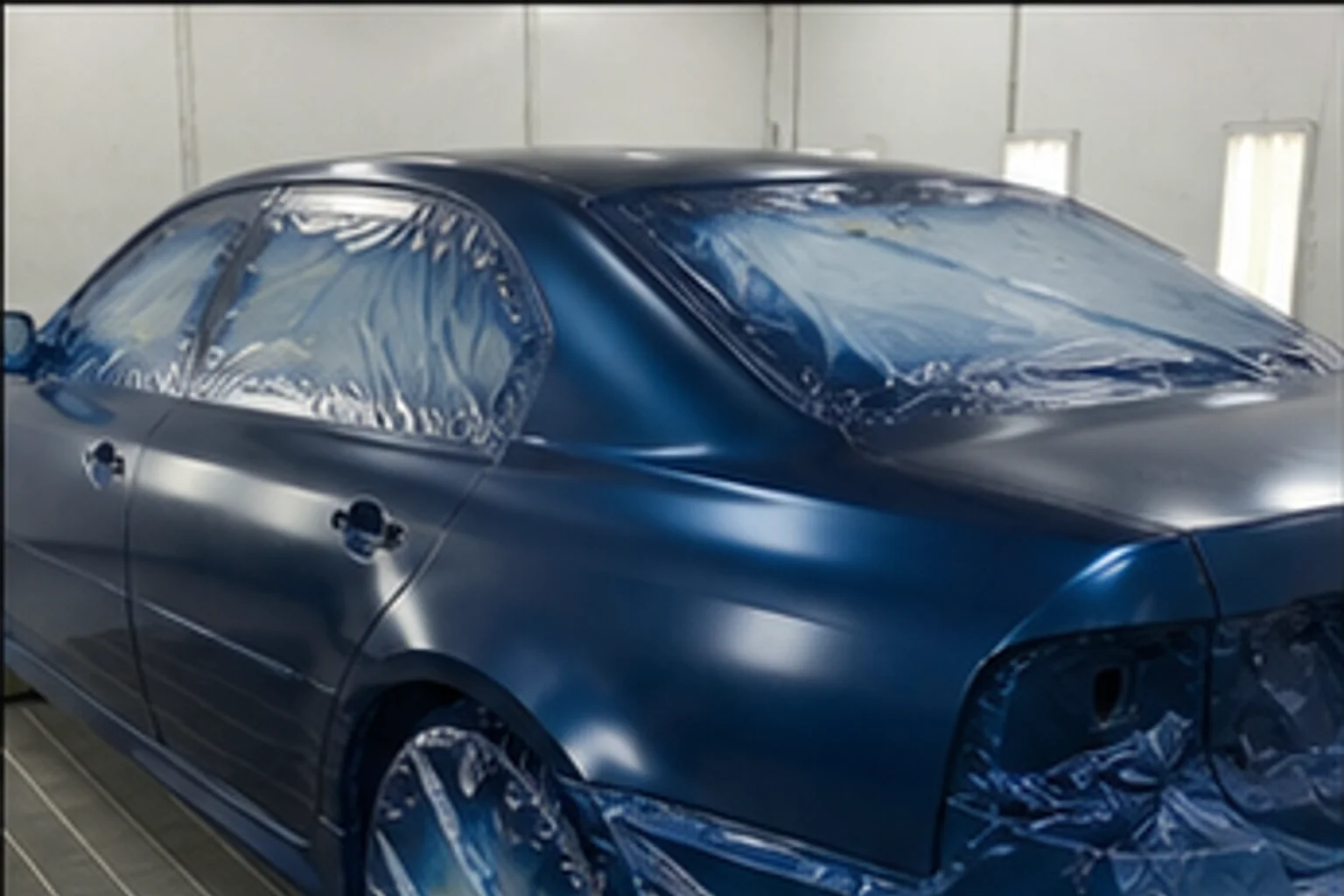
We mix the base coat to match the vehicle's factory paint code and apply it in controlled passes inside our paint booth. After the base coat flashes, we apply two to three clear coat layers for UV protection, gloss, and depth, then wet-sand and buff the finish to blend seamlessly with the adjacent panels.

Ceramic Coating After Repair

Ceramic Coating After Repair

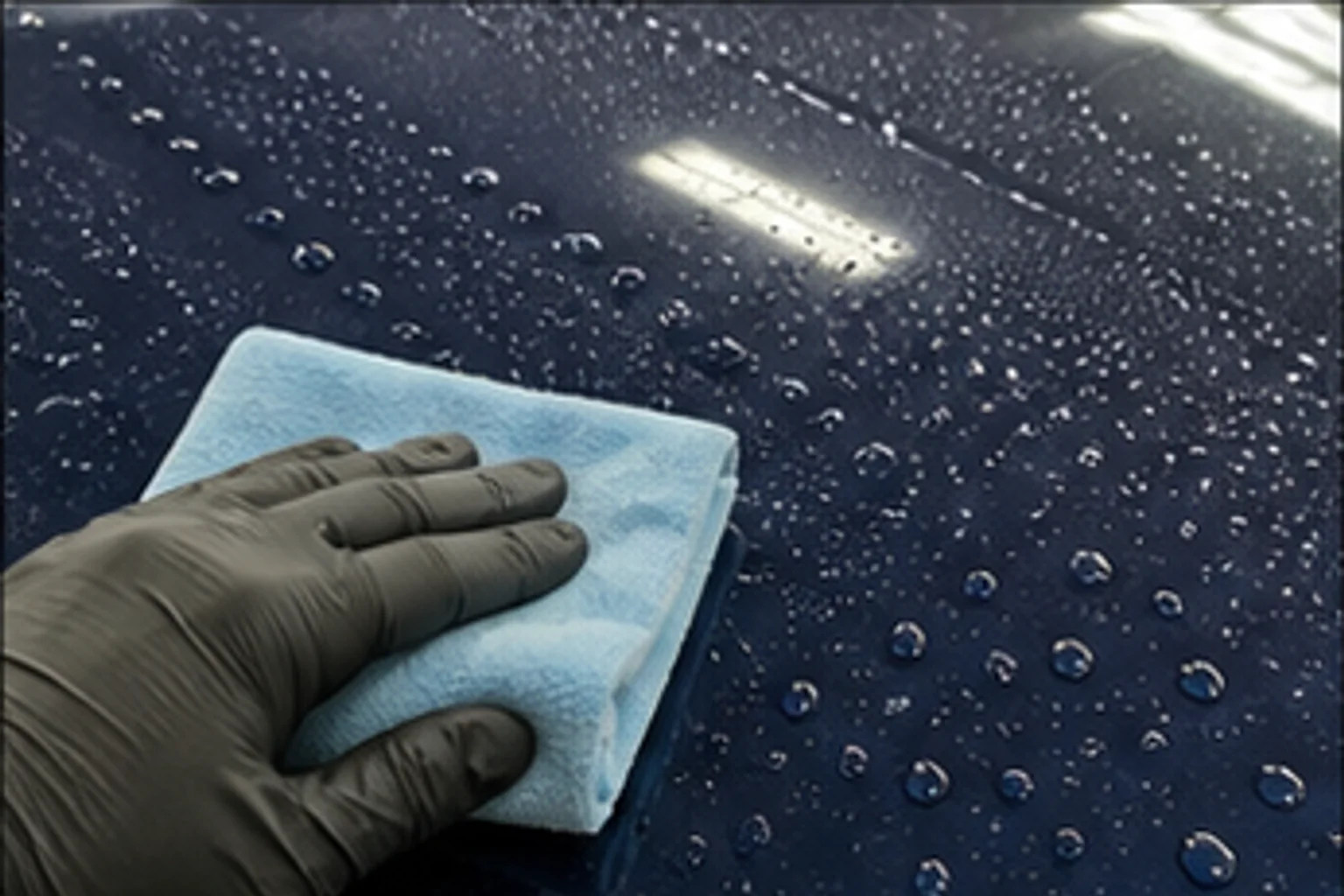
Ceramic coating bonds chemically to the clear coat surface, creating a hydrophobic barrier that repels water, road salt, and UV radiation — the three primary causes of paint degradation in Massachusetts. We apply ceramic coating in-house and can schedule it after the fresh paint has fully cured.

Paint Protection Film After Repair

Paint Protection Film After Repair

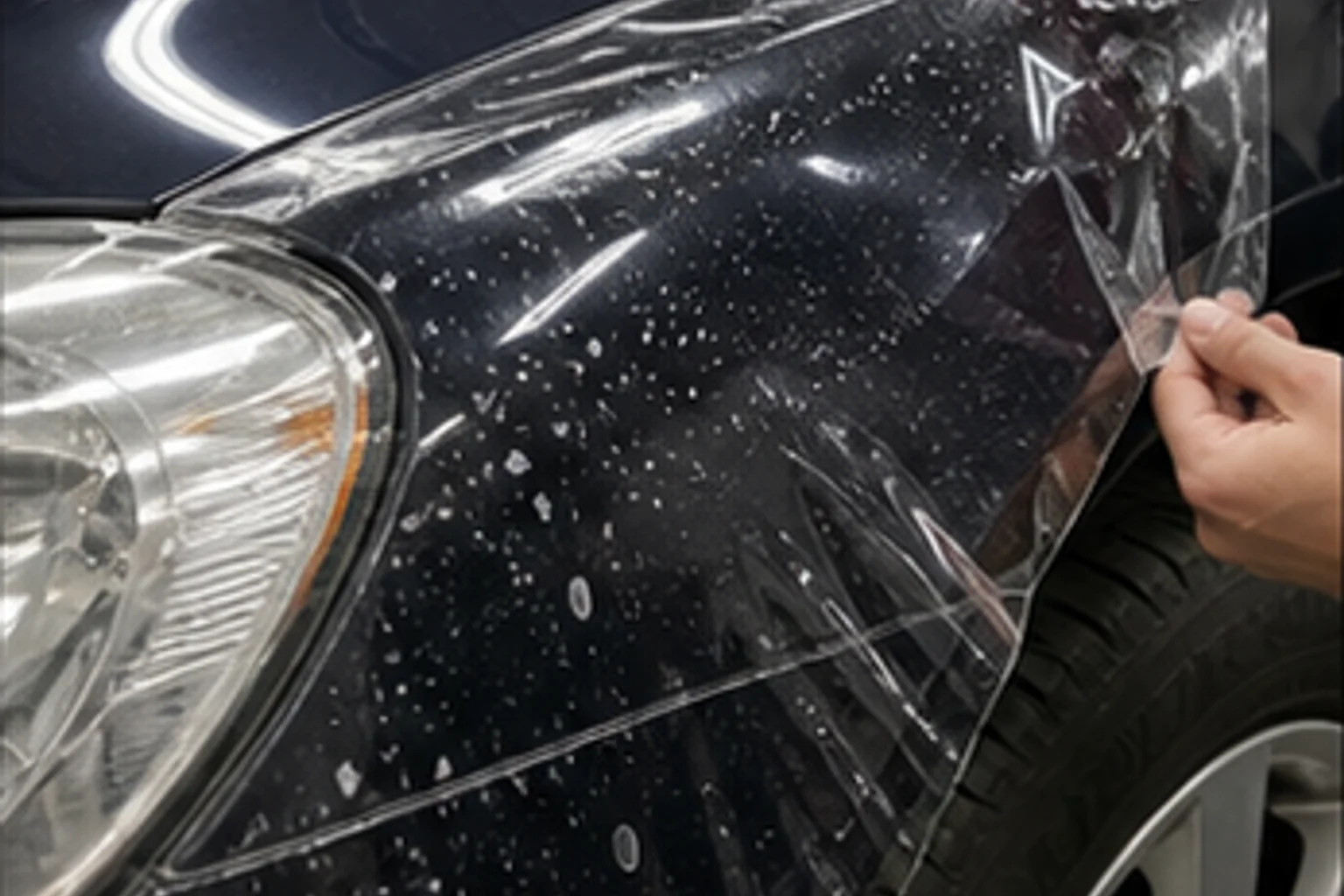
Paint protection film (PPF) is a physical urethane barrier applied to high-impact panels — the hood leading edge, front bumper, fenders, and mirror caps. PPF absorbs stone chips and road debris before they breach the paint surface. For vehicles that have undergone paint peeling repair, PPF on the repaired panels provides a physical shield that prevents the conditions that caused the original failure from recurring.

Localized peeling, contained early

If your paint is peeling, schedule an assessment early. The repair is simpler and less expensive when the damage zone is contained — a peeling patch that is 4 inches across in spring is often 12 inches across by the following spring.

Peeling that has reached bare metal

If the peeling has reached bare metal, rust progression begins immediately, and New England winters accelerate this dramatically. A panel that needs paint repair today may need rust treatment, filler work, and extended surface preparation in twelve months, at significantly higher cost.

Single-panel vs. multi-panel scope

A fingernail test and adhesion pull test reveal how far the bond failure extends beyond the visible peeling. This determines whether the repair is a single-panel job or a multi-panel project, and whether rust treatment is needed.

Full-vehicle peeling on heavily degraded paint

Multi-panel jobs where peeling has reached bare metal, requiring rust treatment and extensive substrate preparation, are on the longer end of the repair timeline. Full-vehicle peeling repair on heavily degraded paint can take 10–15 business days.

How it works

Four stages, in this order

Every layer that has lost its bond is removed and the new paint system is built from a verified foundation — not painted over.

  1. Damage assessment and scope mapping

    We begin by identifying the full extent of the adhesion failure — not just the area where paint has already lifted, but adjacent zones where delamination has started beneath the surface. A fingernail test and adhesion pull test reveal how far the bond failure extends.

  2. Full removal of failing paint

    Every layer that has lost adhesion must be removed down to a stable substrate — either bare metal, sound primer, or factory e-coat, depending on the vehicle and the depth of failure. We use mechanical sanding and chemical strippers appropriate to the paint system.

  3. Substrate treatment and priming

    Once the surface is clean and stable, we treat any exposed metal with corrosion inhibitor, feather the edges of the surrounding intact paint, and apply an adhesion-promoting primer system matched to the paint product being used.

  4. Base coat, clear coat, and cure

    We mix the base coat to match the vehicle's factory paint code and apply it in controlled passes inside our paint booth. After the base coat flashes, we apply two to three clear coat layers, then wet-sand and buff the finish to blend seamlessly with the adjacent panels.

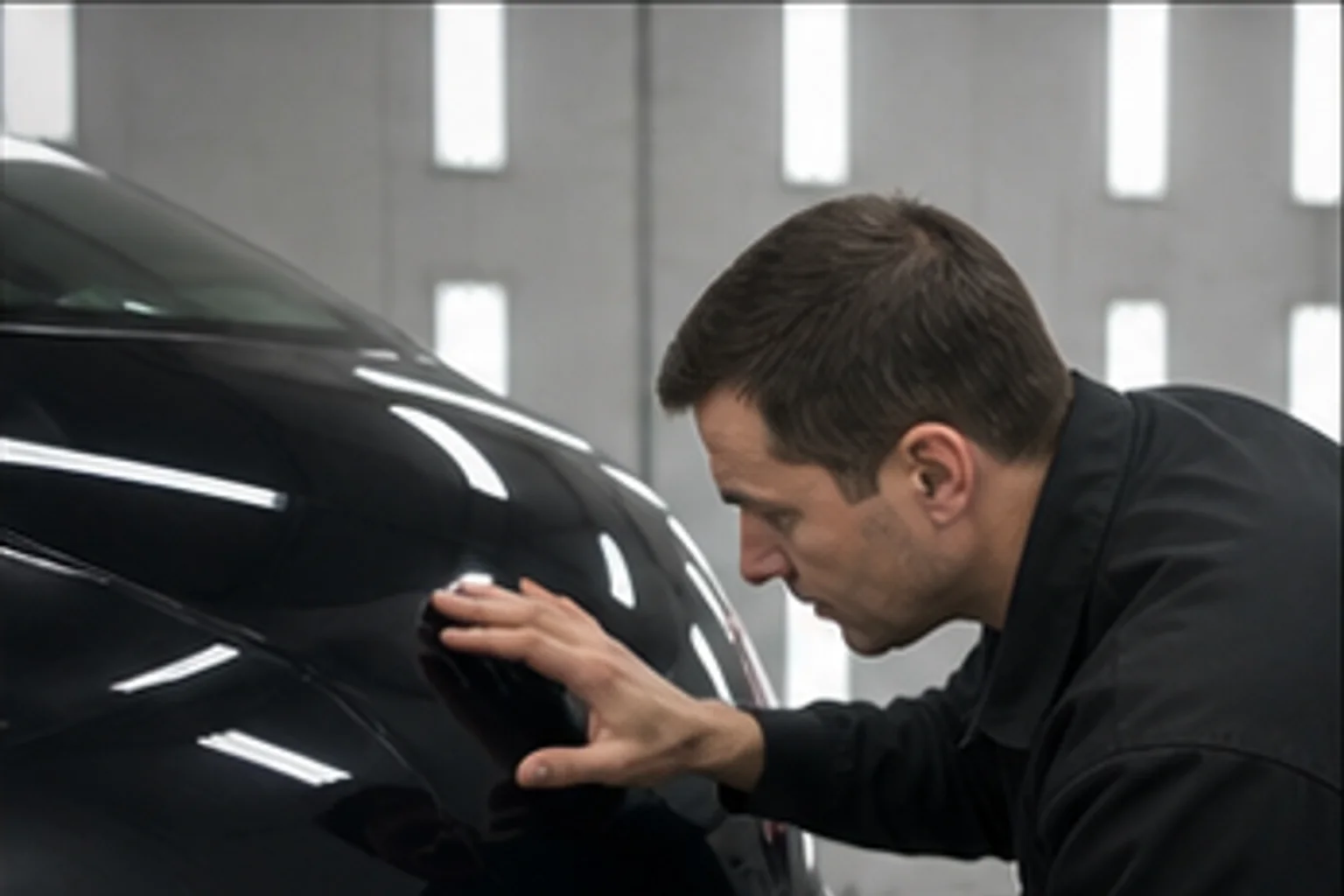
Technician inspecting repair work inside the Invisible Touch collision bay

Why this shop

Full removal, not paint-over

Painting over any portion of a failed layer guarantees repeat failure within months. Removing every failed layer down to a stable substrate is the most labor-intensive part of the repair, and the step that determines long-term durability.

Root cause eliminated, not concealed

Paint peeling repair done correctly does not recur because the root cause — failed adhesion between layers — is eliminated during the repair process, not painted over. The new paint system is built from a verified foundation in a controlled booth environment.

Honest, on-site quoting

We provide an exact quote after inspecting the vehicle — blind estimates are not reliable for peeling repairs because the visible damage rarely represents the full scope.

New England salt and UV specialists

21 years repairing Bedford-area vehicles against the exact conditions that cause peeling here — UV exposure, road salt, and winter moisture — backed by a lifetime workmanship warranty.

TownDrive to shop

Schedule an assessment early — peeling paint spreads, it doesn't stabilize. Call (781) 271-9110.

How much does paint peeling repair cost?

Paint peeling repair costs $400–$800 per panel for standard vehicles and $800–$1,500+ per panel for luxury vehicles or multi-panel jobs. Cost depends on the size of the affected area, the depth of the adhesion failure, whether rust treatment is needed, and the paint type required for a factory-match finish. We provide an exact quote after inspecting the vehicle.

How long does paint peeling repair take?

Paint peeling repair takes 3–7 business days per panel, depending on severity and scope. Single-panel repairs with surface-level clear coat failure are on the shorter end. Multi-panel jobs where peeling has reached bare metal are on the longer end, and full-vehicle peeling repair on heavily degraded paint can take 10–15 business days.

Will the peeling come back after repair?

Not if it's repaired correctly. We remove every layer that has lost its bond, treat the substrate, and build the new paint system from a verified foundation — not painted over the old failure. To protect against future environmental degradation, we recommend ceramic coating or paint protection film after the paint has fully cured.

Can I fix peeling paint with touch-up paint?

No. Touch-up paint temporarily conceals peeling, but peeling is an adhesion failure, not a surface blemish. The new paint will peel along with the old paint, typically within weeks to months. Professional repair is the only approach that stops the progression permanently.

Why shouldn't I wait to repair peeling paint?

Peeling paint does not stabilize on its own — it spreads. A peeling patch that is 4 inches across in spring is often 12 inches across by the following spring. If the peeling has reached bare metal, rust progression begins immediately, and a panel that needs paint repair today may need rust treatment and extended preparation in twelve months, at significantly higher cost.

Get your vehicle back to factory finish

Free estimates · All major insurers · Bedford, MA since 2005

Damage on your vehicle? Get a free estimate. All major insurers · Phones answered 24/7
(781) 271-9110 Free estimate