Paint chip repair

Why paint chips need professional repair

Touch-up pens and DIY chip repair kits fill the void with paint, but cannot replicate the layered structure of an automotive finish — an e-coat primer, a color base coat, and a clear coat, each bonded to the layer beneath it under controlled temperature and humidity.

Touch-up pen vs. professional repair

A touch-up pen isn't a repair

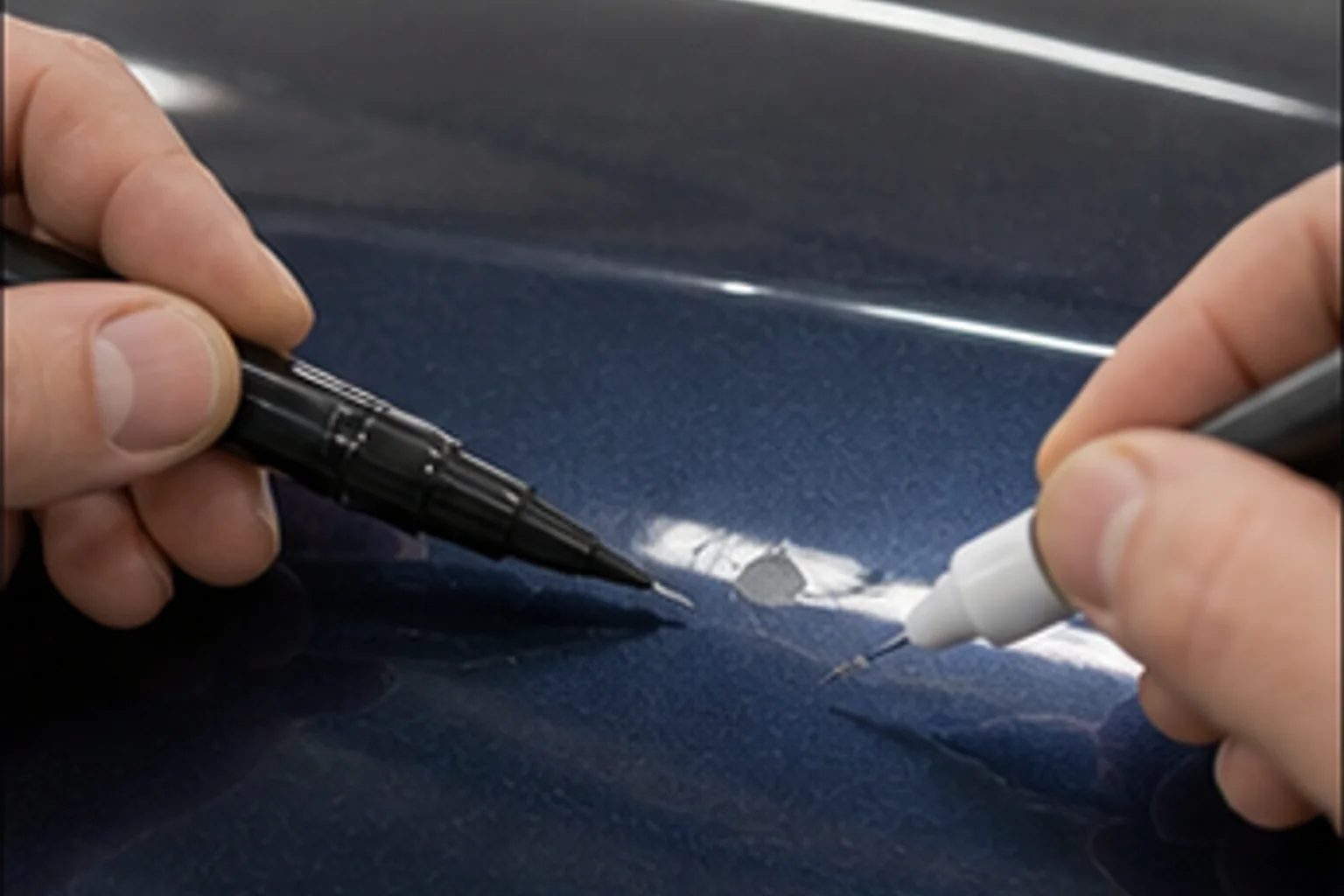
A touch-up pen applies a single blob of color that sits on the surface without proper adhesion, cures unevenly, and typically yellows or shrinks within months. A professionally repaired chip seals the metal from moisture infiltration — a touch-up pen covers it temporarily while corrosion continues beneath the surface.

  • Factory finish = primer, base coat, clear coat
  • Pens sit on top, cure unevenly, yellow or shrink
  • Professional repair seals metal from moisture
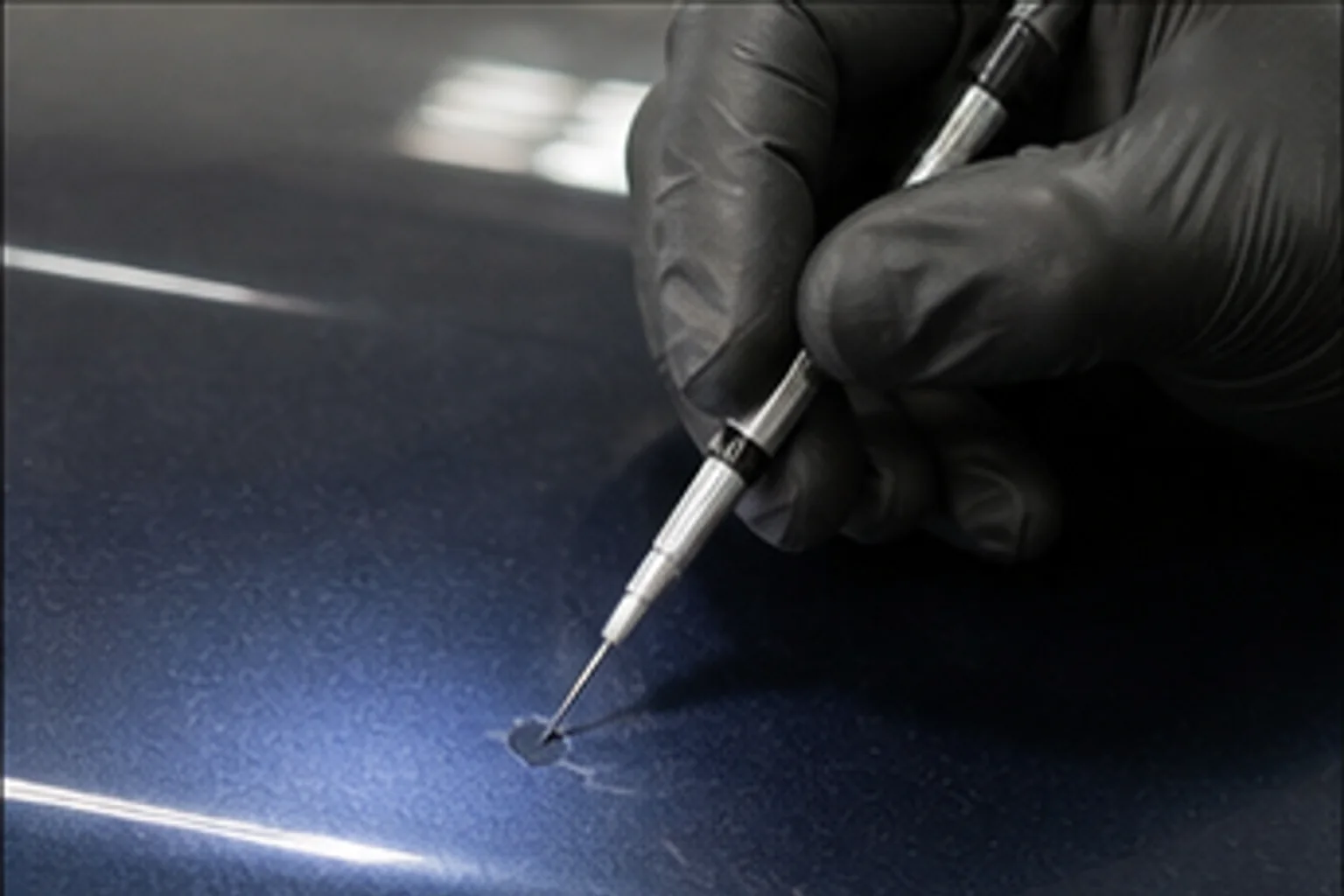
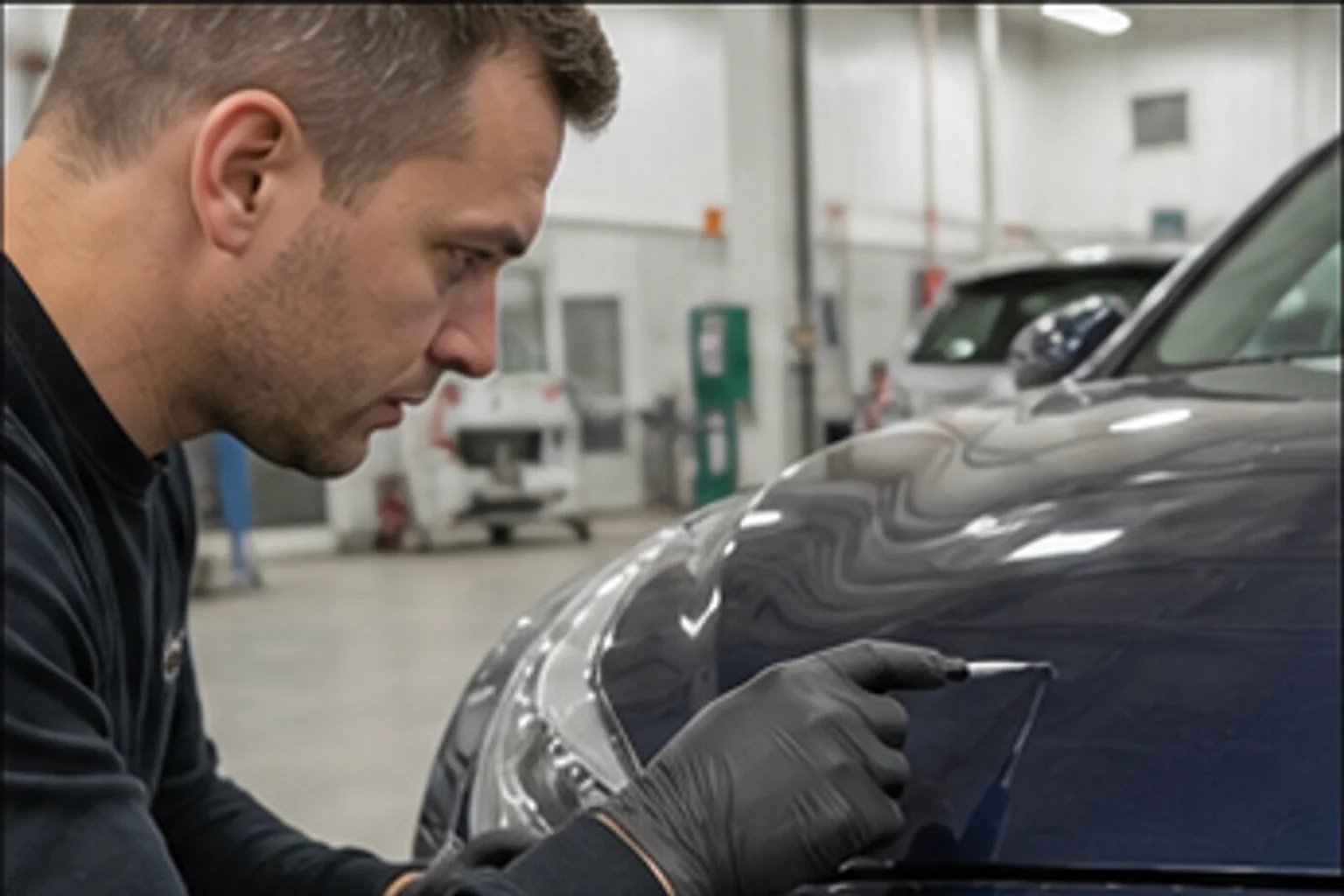
Chip inspection under light

Every chip inspected before repair

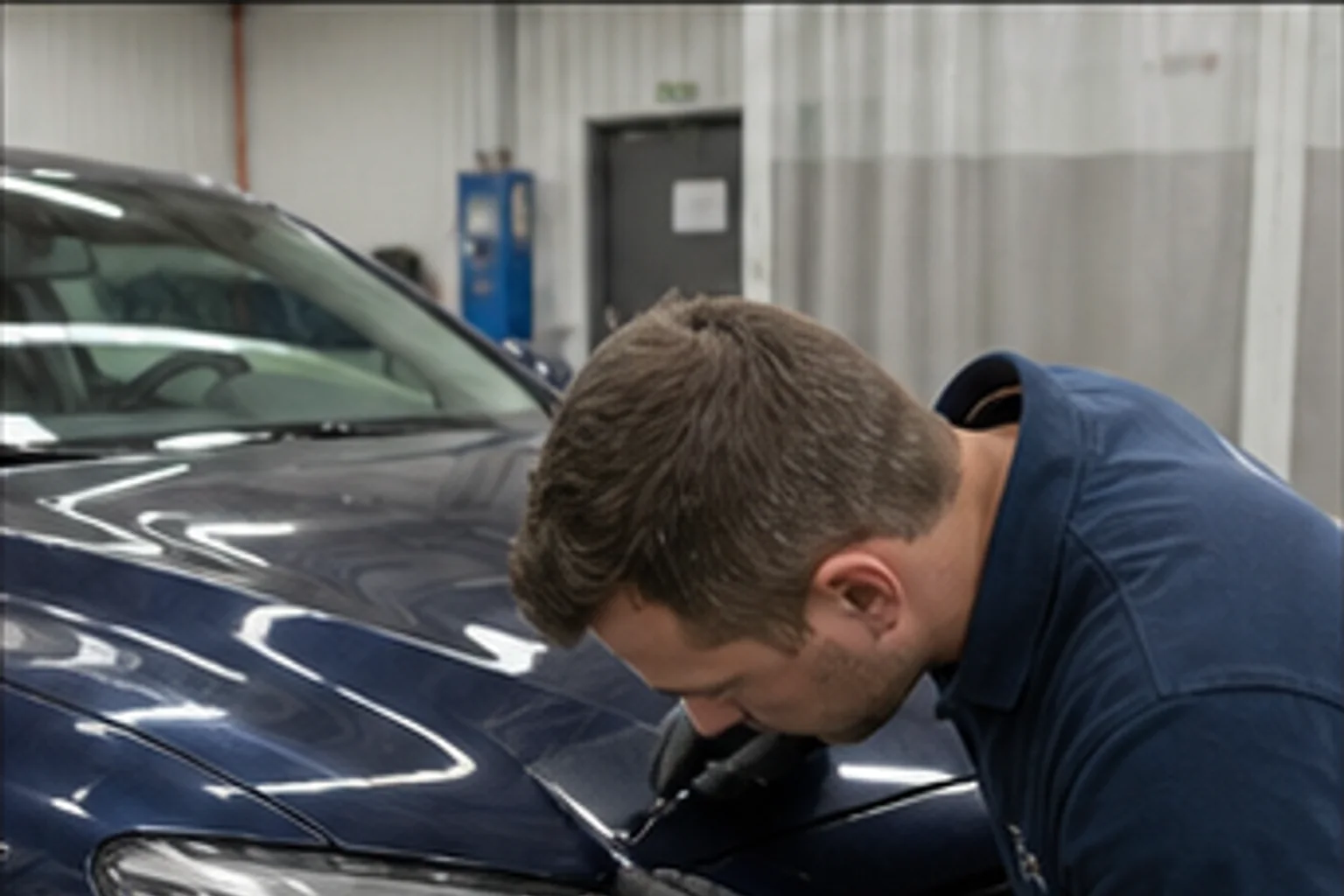
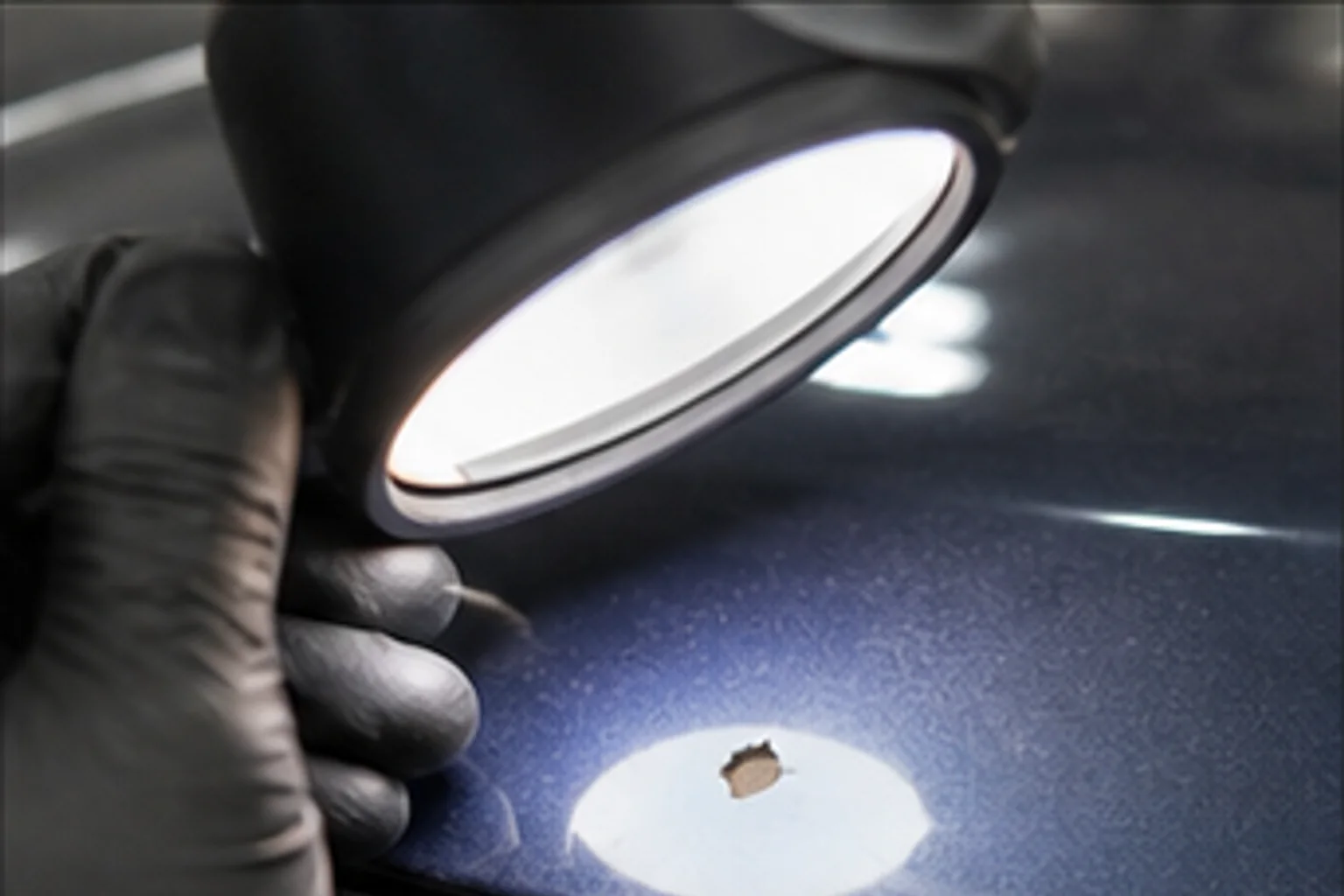
We inspect each chip under magnification and directional lighting to determine depth — clear coat only, base coat, primer level, or bare metal. Chips that have reached metal are flagged for rust treatment before any paint is applied. We also assess chip density: a hood with 40+ chips from highway driving may require panel refinishing rather than individual spot repair.

  • Inspected under magnification and directional light
  • Chips reaching metal flagged for rust treatment first
  • High-density chips may call for panel refinishing
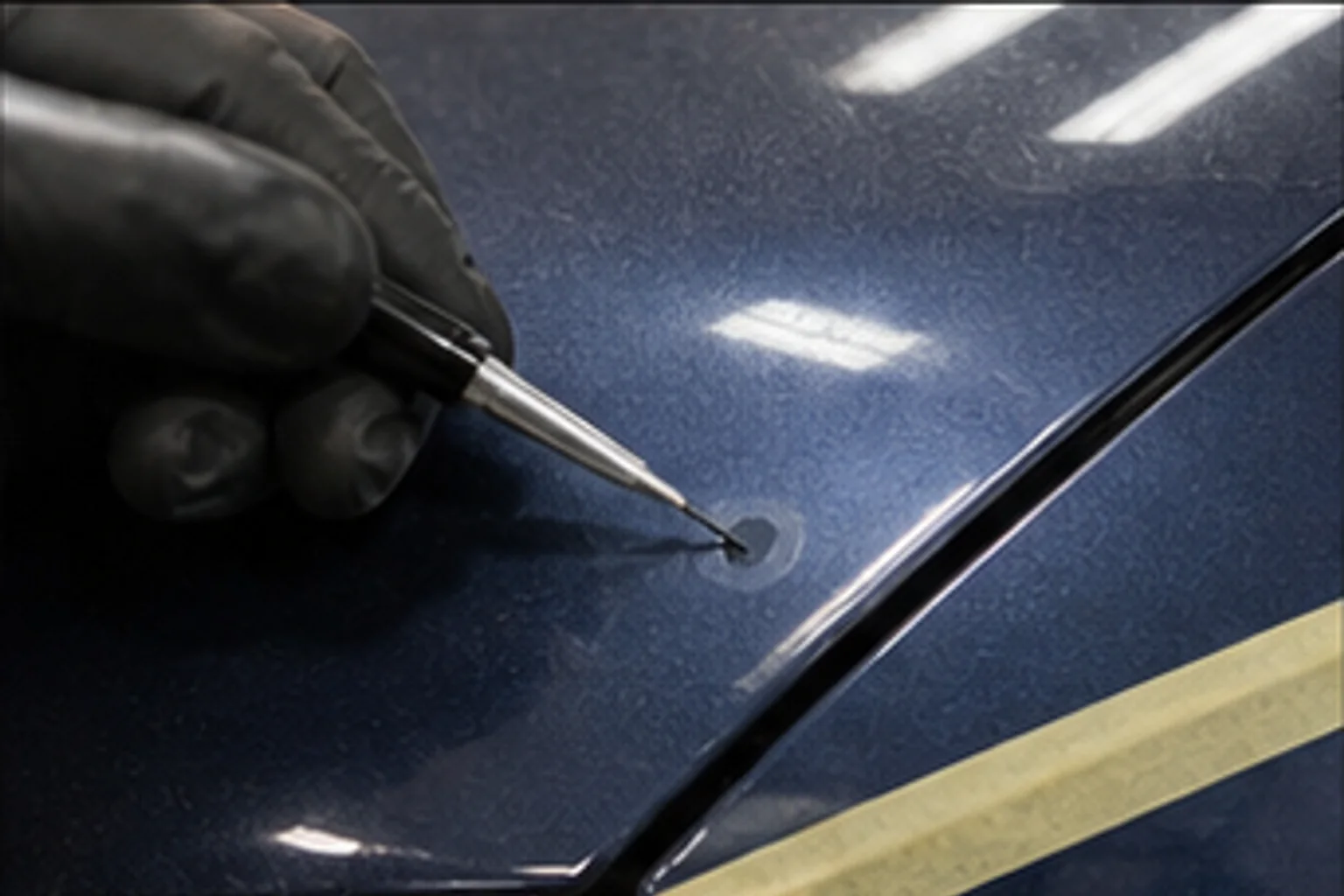
Layer-by-layer chip fill

Rebuilt layer by layer, not filled in one pass

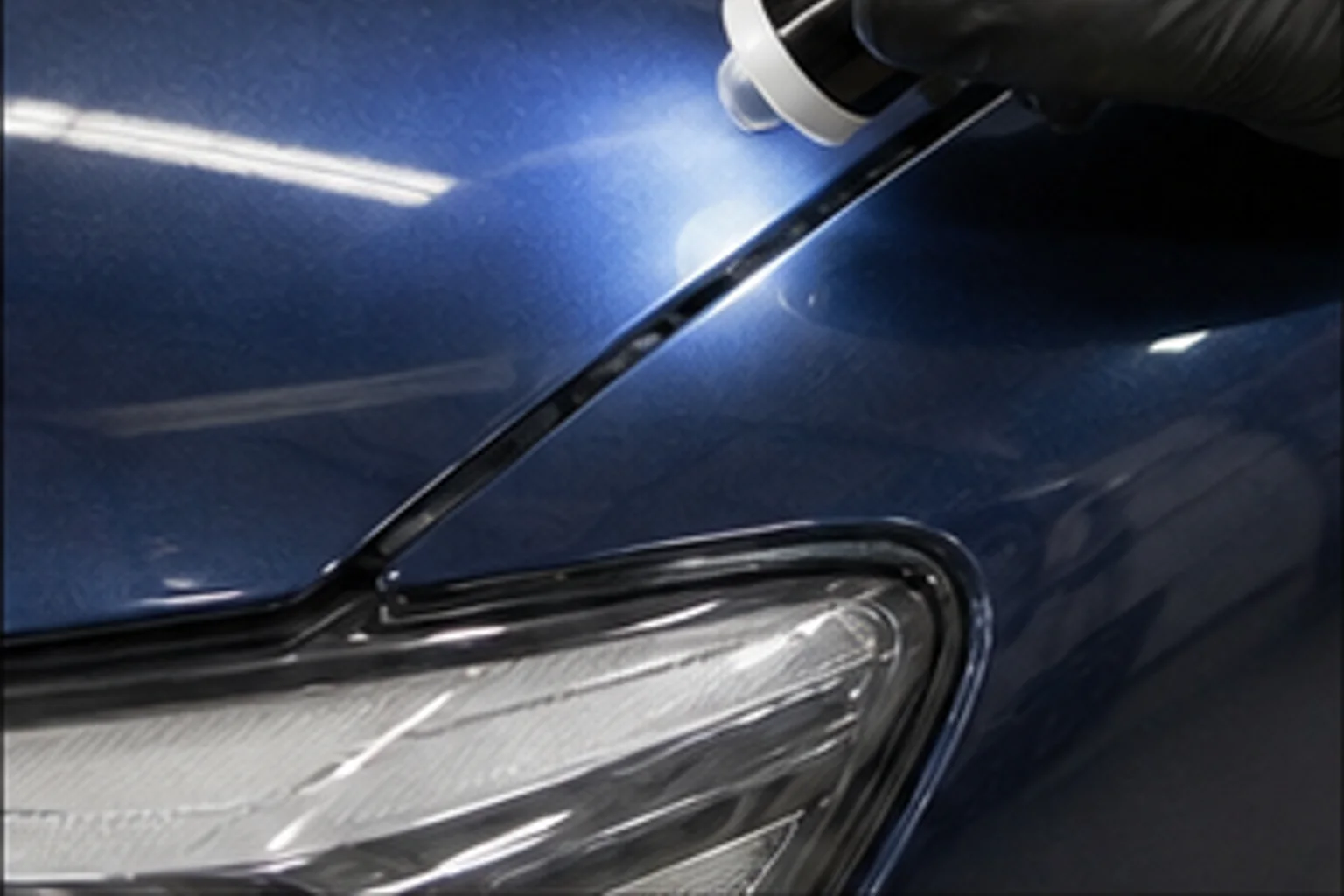
Each chip is cleaned, decontaminated, and lightly sanded. Factory color-matched base coat is applied in thin layers using precision spray equipment — not a brush or pen — filling the chip flush with the surrounding surface. Automotive-grade clear coat is then applied over the repair and blended into the surrounding factory finish.

  • Cleaned, decontaminated and lightly sanded
  • Factory color-matched base coat, sprayed in thin layers
  • Clear coat blended into the surrounding finish
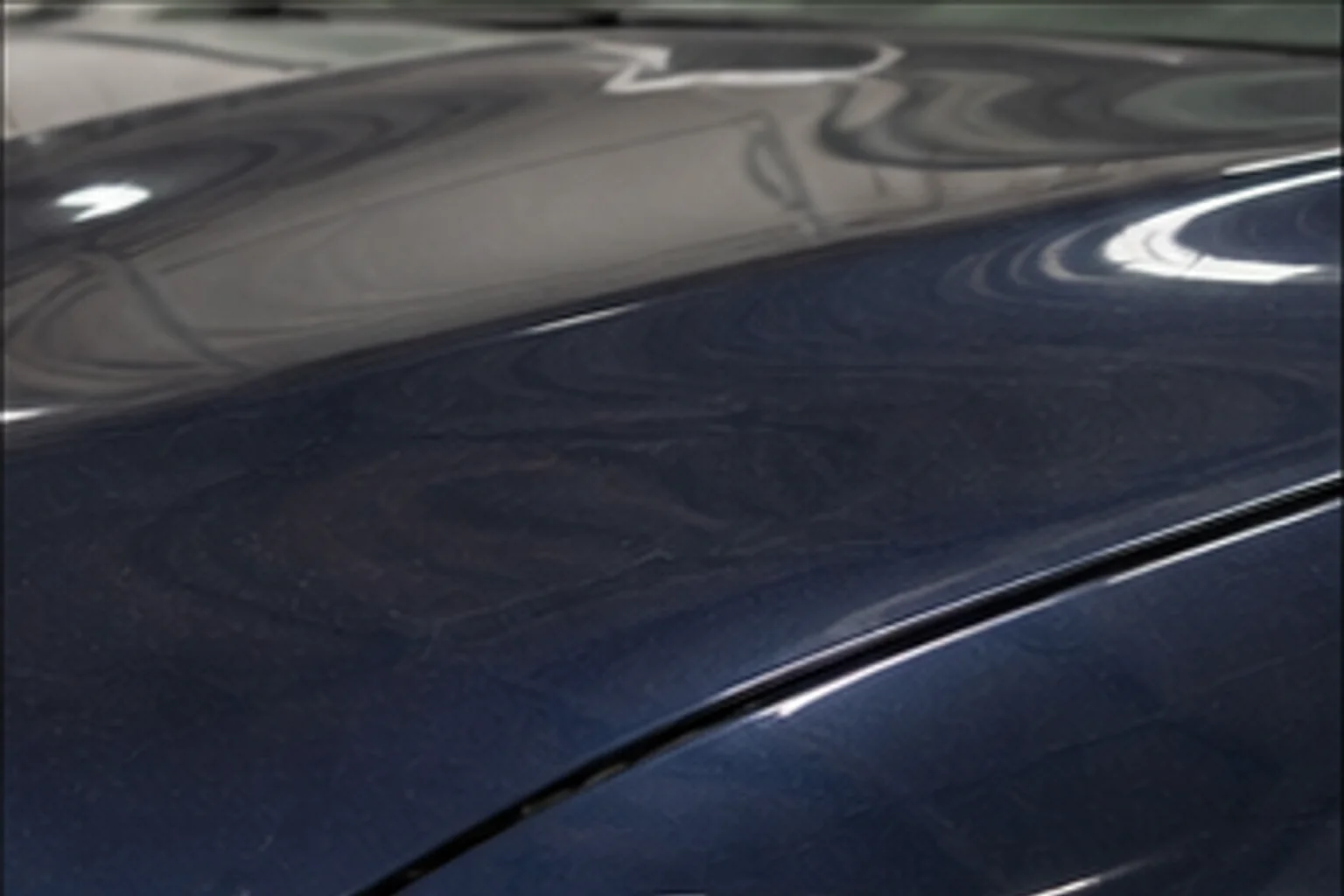
Finished chip repair

Paint chip repair at a glance

Cost
$75–$400 per panel
Turnaround
2–4 hours single panel, full day for multiple panels
Best for
Fewer than 15–20 chips per panel
Prevention
Paint protection film on high-impact zones
Get a free estimate

What it covers

How we repair paint chips at Invisible Touch Inc.

Every chip is classified by depth and density before we recommend a repair method.

Chip Assessment & Classification

Chip Assessment & Classification

We inspect each chip under magnification and directional lighting to determine depth — clear coat only, base coat, primer level, or bare metal. Chips that have reached metal are flagged for rust treatment before any paint is applied.
Surface Prep & Paint Application

Surface Preparation & Paint Application

Each chip is cleaned, decontaminated, and lightly sanded to remove any loose paint edges or early oxidation. If bare metal is exposed, a corrosion inhibitor is applied before priming, then factory color-matched base coat is applied in thin layers using precision spray equipment.

Clear Coat & Final Inspection

Clear Coat, Leveling & Final Inspection

Once the base coat cures, automotive-grade clear coat is applied over the repair area and blended into the surrounding factory finish. The repaired area is leveled and polished, then inspected under multiple light angles before the vehicle is returned.

Chip Repair vs. Panel Refinish

Chip Repair vs. Panel Refinish

If you have fewer than 15–20 chips on a panel and the surrounding clear coat is still healthy, spot repair restores each chip individually. A hood with 30+ chips, where the surrounding paint is fading or degrading, is a panel repaint candidate — see our auto painting services for full panel refinishing.

Preventing Future Chips with PPF

Preventing Future Chips with PPF

Paint protection film (PPF) applied to high-impact zones — hood leading edge, fenders, bumper, and mirror caps — is the most effective way to prevent paint chips. For vehicles that accumulate chips regularly from commuting on I-95 or Route 128, PPF on the front-facing surfaces eliminates the problem.

Clear coat chips

For shallow chips that have broken only the clear coat, machine polishing and targeted clear coat application can restore the surface without a full base-coat repair.

Base coat chips

For deeper chips that have penetrated the base coat, the area is cleaned, treated for any early oxidation, primed correctly, and sprayed with factory color-matched base coat and clear coat in thin, controlled layers.

Chips down to bare metal

Chips that have reached metal are flagged for rust treatment before any paint is applied. A corrosion inhibitor is applied to the exposed metal before priming and painting.
High-density chip clusters

A hood with 40+ chips from highway driving may require panel refinishing rather than individual spot repair. A hood with 30+ chips where the surrounding clear coat has begun to fade is a panel repaint candidate — repairing each chip individually would cost more and produce a worse result.

How it works

Four stages, from assessment to inspection

A correct chip repair should be invisible under normal viewing conditions — that starts with knowing exactly how deep the damage goes.

  1. Chip assessment and damage classification

    We inspect each chip under magnification and directional lighting to determine depth — clear coat only, base coat, primer level, or bare metal. We also assess chip density and tell you which approach delivers the better result for the cost.

  2. Surface preparation

    Each chip is cleaned, decontaminated, and lightly sanded to remove any loose paint edges or early oxidation. If bare metal is exposed, a corrosion inhibitor is applied before priming.

  3. Base coat paint application

    Factory color-matched base coat is applied in thin layers using precision spray equipment — not a brush or pen — to fill the chip flush with the surrounding surface without building up paint above the panel level.

  4. Clear coat, leveling and final inspection

    Once the base coat cures, automotive-grade clear coat is applied over the repair area and blended into the surrounding factory finish. The repaired area is leveled and polished, then inspected under multiple light angles before the vehicle is returned.

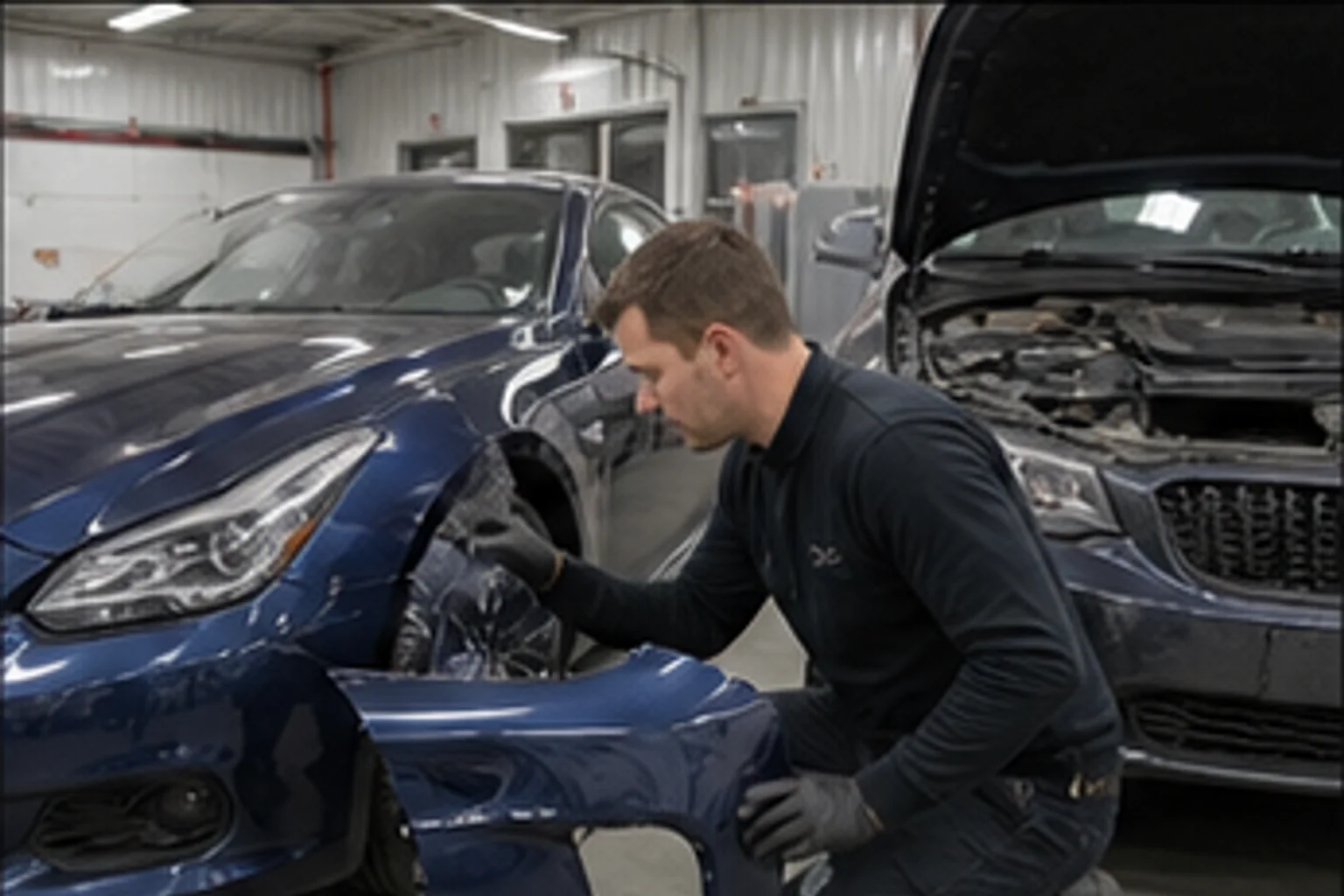
Technician inspecting repair work inside the Invisible Touch collision bay

Why this shop

Layered rebuild, not a dab of color

Professional paint chip repair rebuilds the damaged area layer by layer — cleaned, treated, primed, and sprayed with matched base coat and clear coat — sealing the metal from moisture instead of covering it temporarily.

Every chip inspected under magnification

We inspect each chip under magnification and directional lighting to determine depth before recommending a repair method, rather than guessing from the surface.

Honest repair-vs-repaint guidance

We assess every vehicle honestly and recommend the approach that delivers the best outcome for the investment — individual chip repair when it makes sense, panel refinishing when chip density makes it the better value.

Same-day service for most single-panel repairs

Paint chip repair takes 2–4 hours for a single panel with moderate chip count. We schedule chip repair during normal business hours, and most single-panel repairs are returned the same day.

TownDrive to shop

Same-day repair for most single-panel chips. Free estimates — call (781) 271-9110.

How much does paint chip repair cost?

Paint chip repair costs $75–$400 per panel, depending on chip count, chip depth, and whether rust treatment is required. A single deep chip on a fender requiring primer and base coat repair is $75–$150. A hood with 10–15 chips from road debris is $200–$400. Vehicles with extensive chipping across multiple panels are assessed as a partial or full repaint project, quoted separately after inspection.

Is professional repair really better than a touch-up pen?

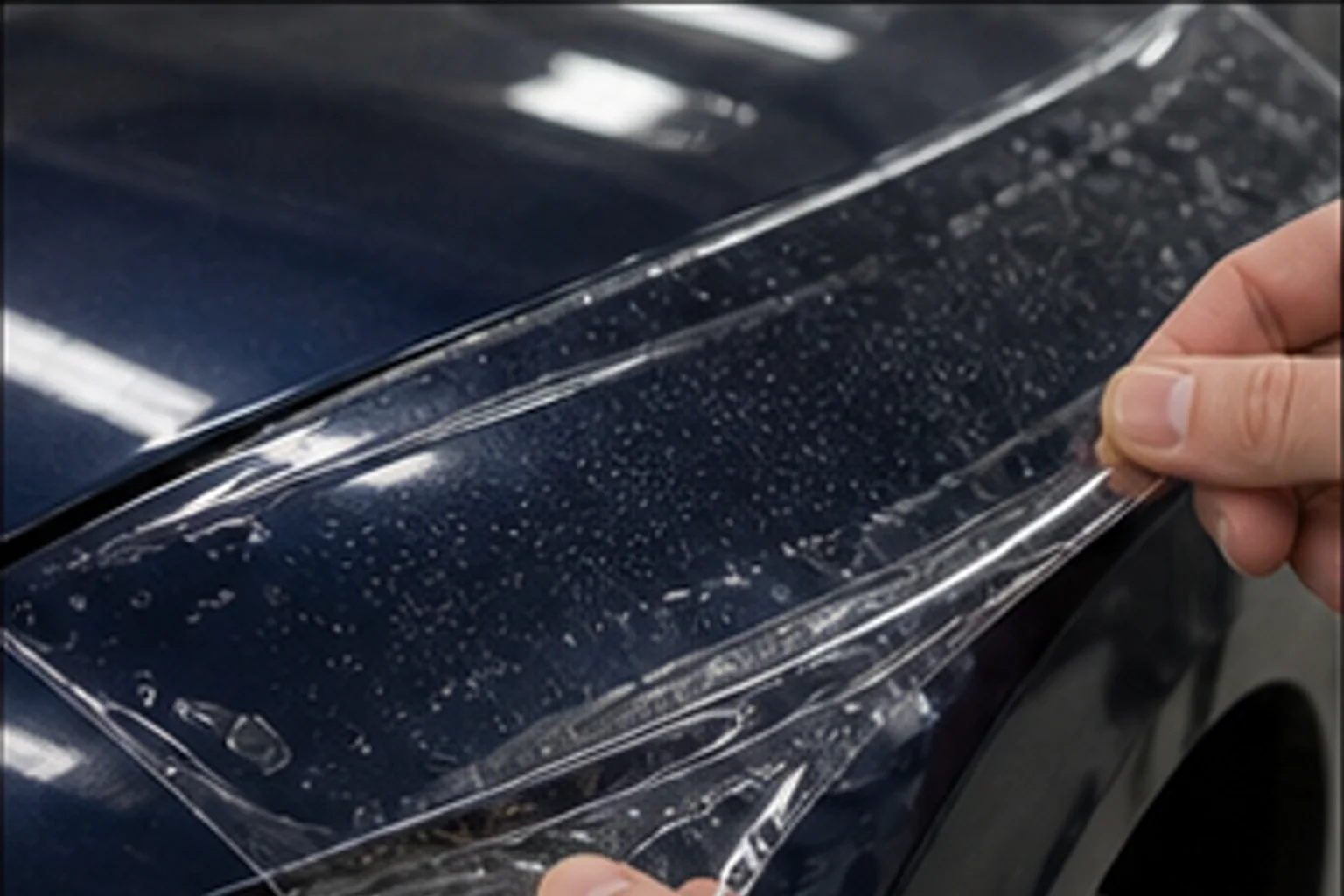
Professional chip repair rebuilds the damaged area with the correct primer, base coat, and clear coat layers using spray application — touch-up pens apply a single layer of paint with a brush tip. Under direct sunlight or close inspection, touch-up pen repairs are visible as raised dots or color mismatches. Professional repair restores the area flush with the surrounding finish.

How long does paint chip repair take?

Paint chip repair takes 2–4 hours for a single panel with moderate chip count, or a full day for multiple panels. Vehicles with chips that have developed rust require additional time for corrosion treatment. Most single-panel repairs are returned the same day.

How can I prevent future chips?

Paint protection film (PPF) applied to high-impact zones — hood leading edge, fenders, bumper, and mirror caps — is the most effective way to prevent paint chips. Ceramic coating adds surface hardness and chemical resistance but does not prevent impact damage from road debris at highway speed.

Should I repair individual chips or repaint the whole panel?

If you have fewer than 15–20 chips on a panel and the surrounding clear coat is still healthy, spot repair restores each chip without affecting the rest of the finish. Panel refinishing becomes the better option once chip density is high enough that individual repairs would overlap, or the surrounding paint already shows oxidation or peeling.

Get your vehicle back to factory finish

Free estimates · All major insurers · Bedford, MA since 2005

Damage on your vehicle? Get a free estimate. All major insurers · Phones answered 24/7
(781) 271-9110 Free estimate