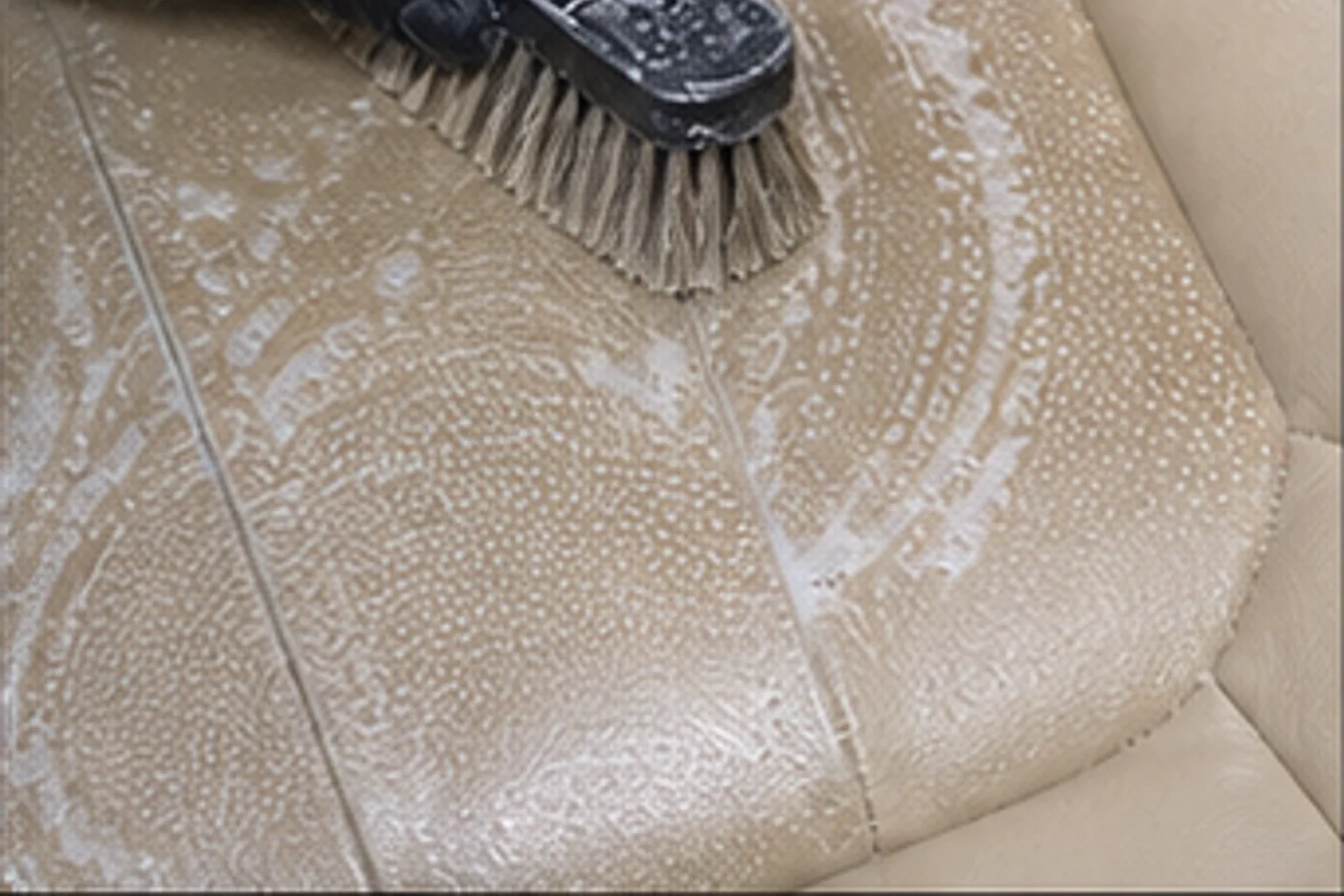
Deep Cleaning
A pH-neutral leather cleaner applied with soft brushes removes surface contamination, conditioner residue and body oils before any color or crack condition is assessed.

Home/Services/ Leather Restoration
Leather restoration
Cracked, faded, peeling or dried-out vehicle leather returned to a supple, correctly colored, protected condition — using a multi-stage process that addresses both the leather's surface appearance and its structural integrity.
Leather restoration
Leather restoration focuses specifically on crack repair, recoloring and conditioning. If your vehicle has fabric, vinyl or structural interior damage, see our auto upholstery repair services instead.
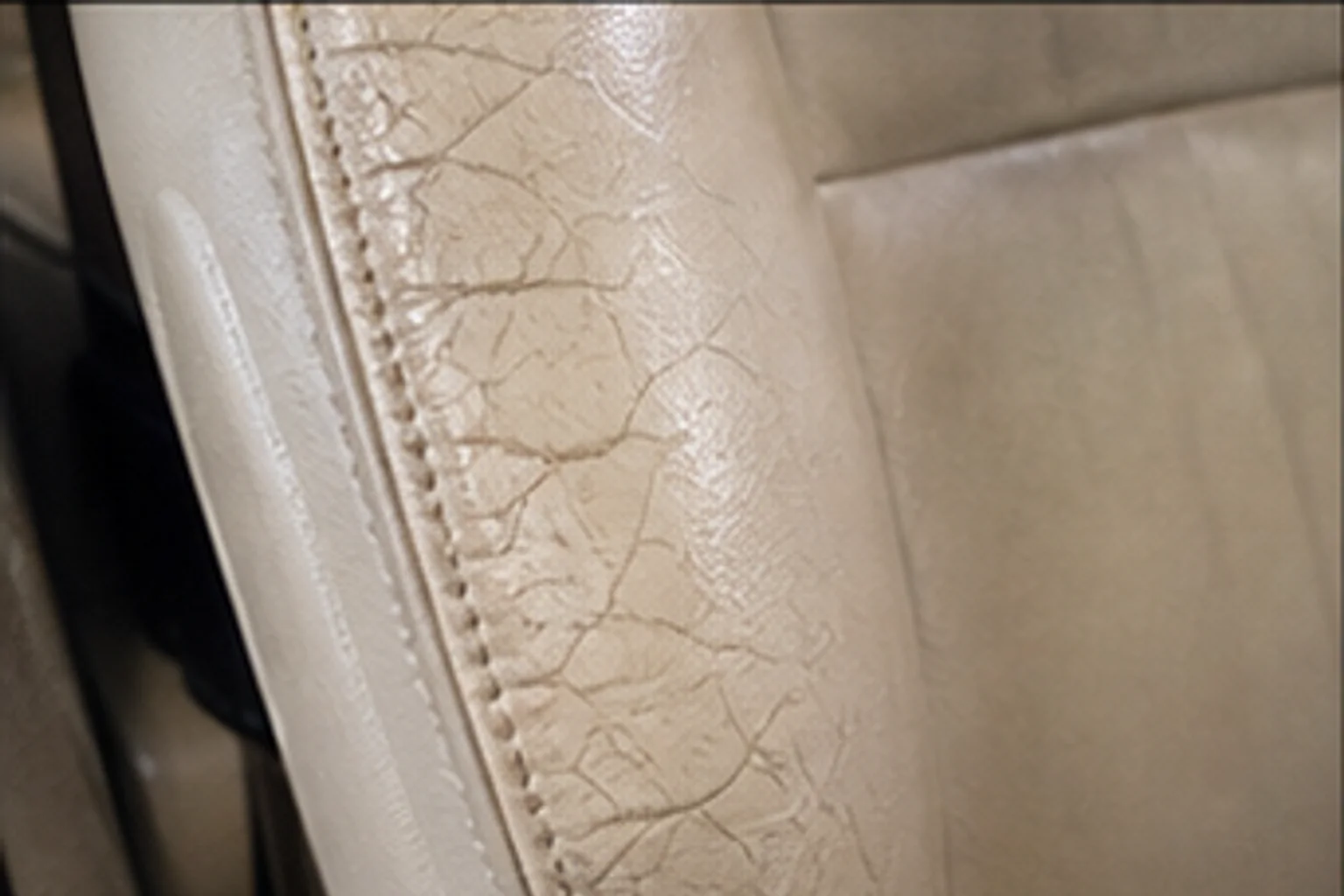
Vehicle leather deteriorates primarily from UV radiation and heat — the same forces that degrade automotive paint. Dashboard-reflected heat, direct sunlight and New England's summer temperature extremes draw moisture out of the leather's fiber structure over time. As it dries out, it loses flexibility and begins to crack along stress points — typically seat bolsters, seat fold lines and armrest surfaces.
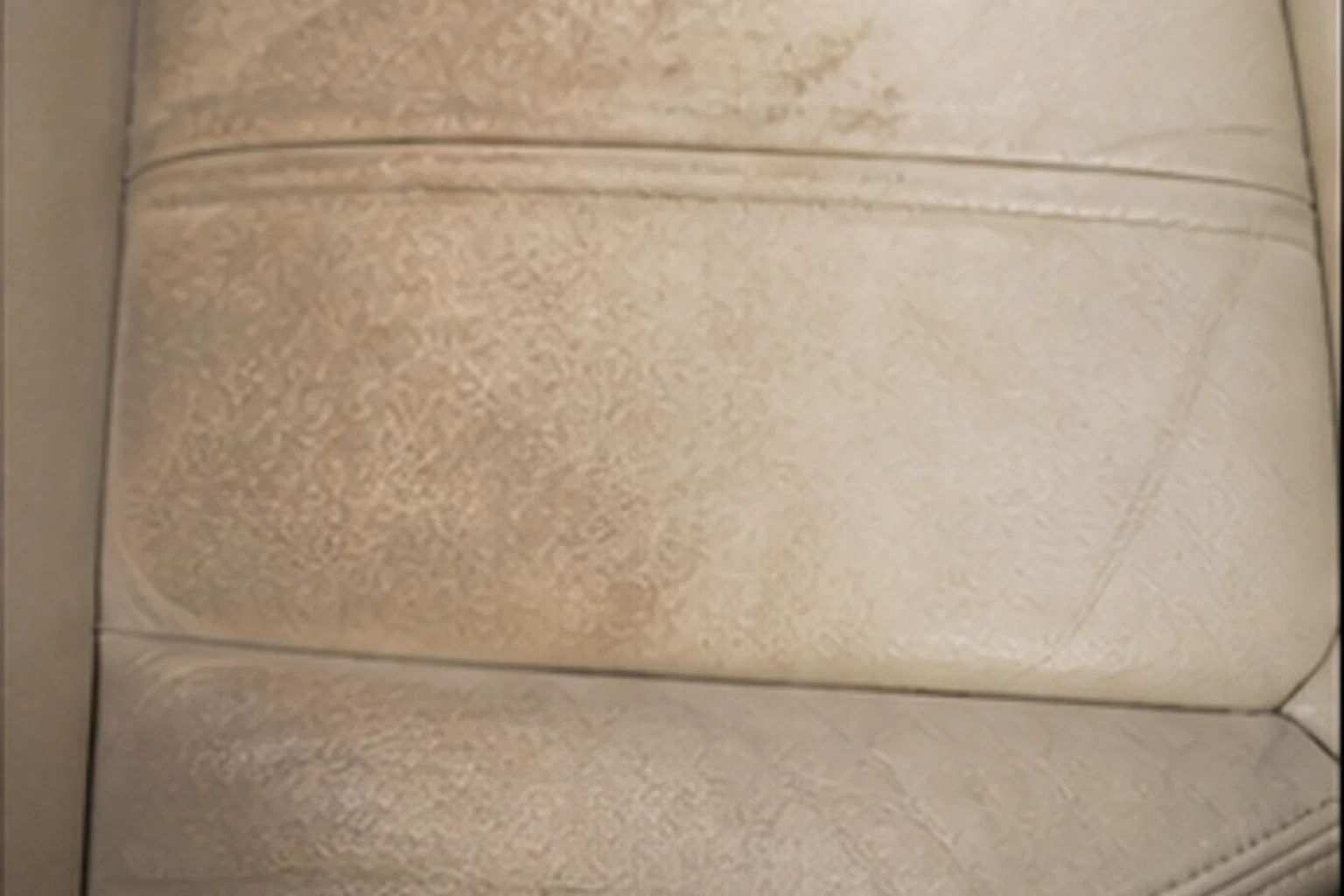
The leather's color coat breaks down under prolonged light exposure, producing uneven fading most visible on horizontal surfaces — seat tops and armrests — that receive the most direct light. Incorrect cleaning products accelerate both processes: alcohol-based cleaners, silicone-heavy conditioners and all-purpose interior sprays strip the leather's protective finish.
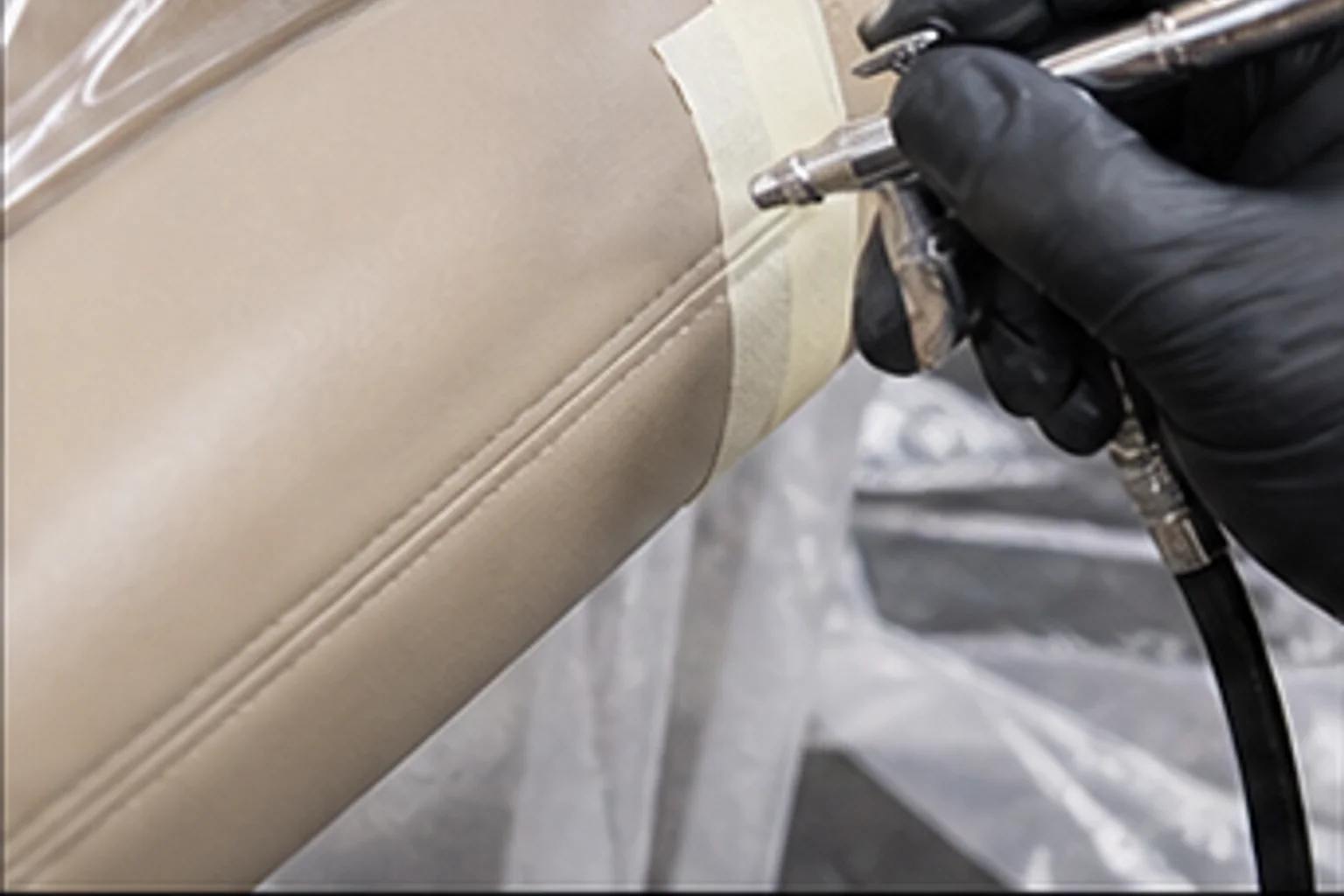
Deep cleaning first, because residue-covered leather can't be accurately assessed. Crack filling next, because color applied over unfilled cracks follows the crack geometry and stays visible. Color restoration, then deep conditioning — conditioning oils applied before dye prevent correct adhesion — and finally a protective topcoat.
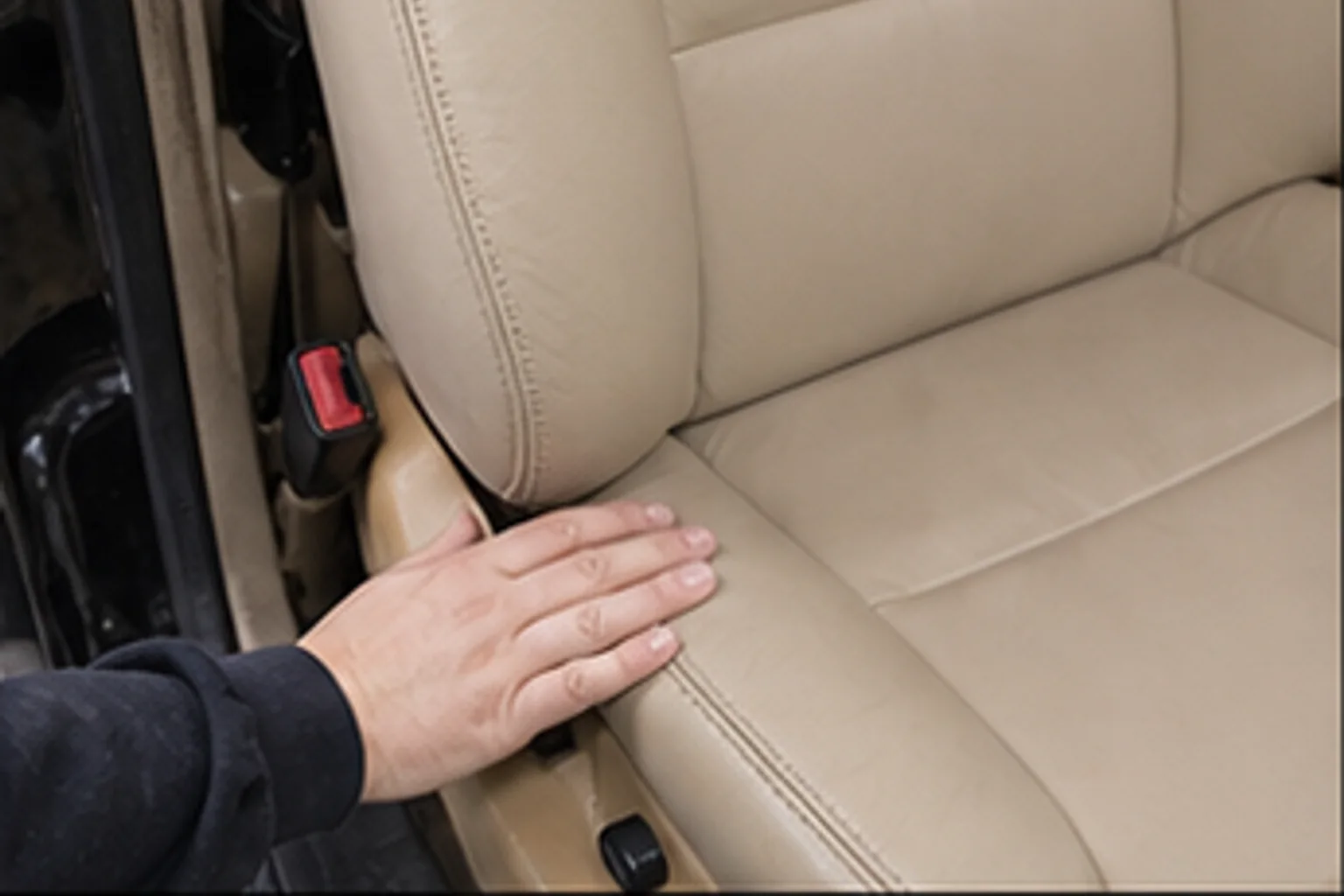
What it covers
Each stage builds on the one before it — skipping a step is why DIY recoloring jobs don't last.
A pH-neutral leather cleaner applied with soft brushes removes surface contamination, conditioner residue and body oils before any color or crack condition is assessed.
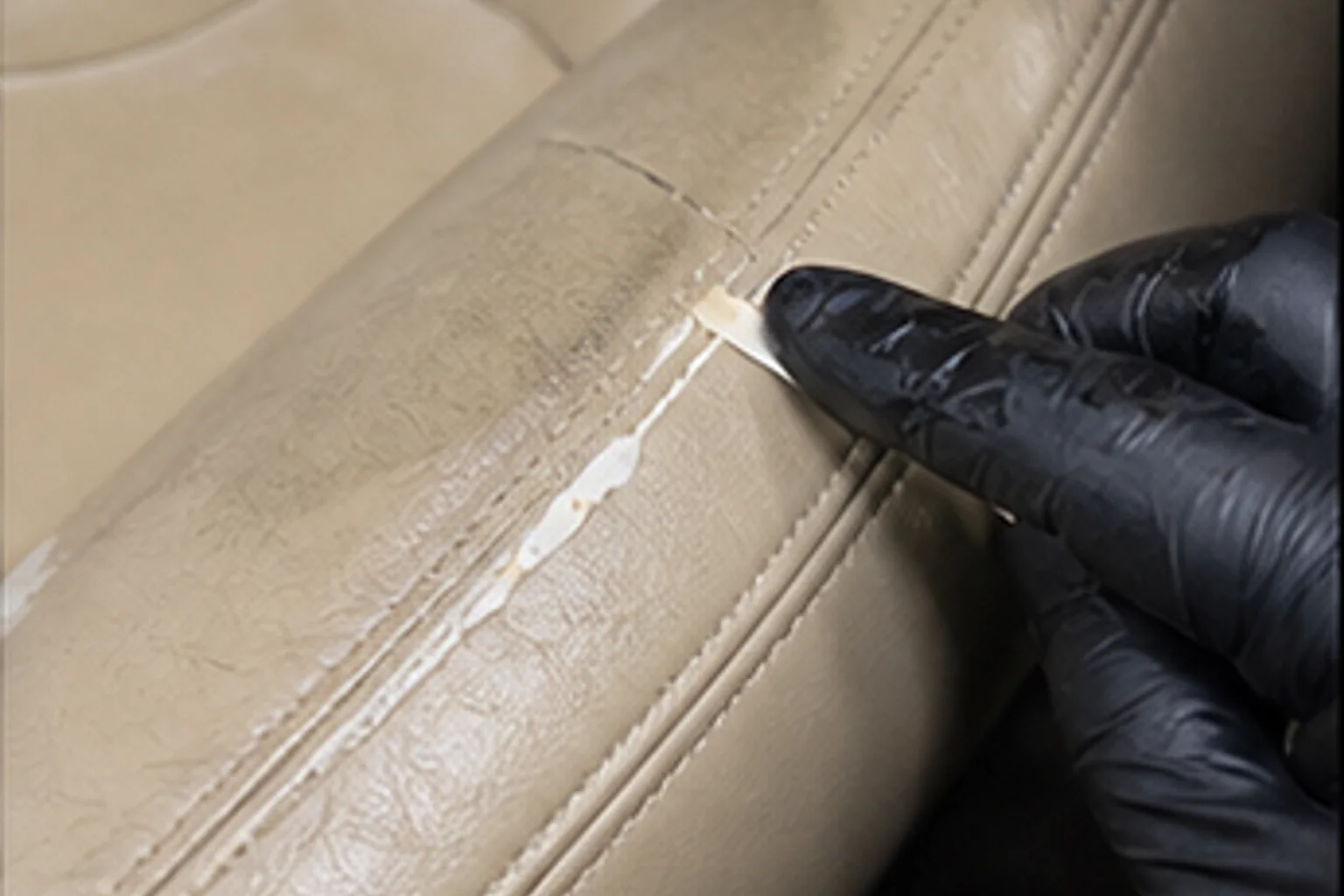
Cracks, scratches and peeling dye are filled with a flexible leather filler that matches the grain structure, applied in thin layers and sanded smooth before any color is applied.
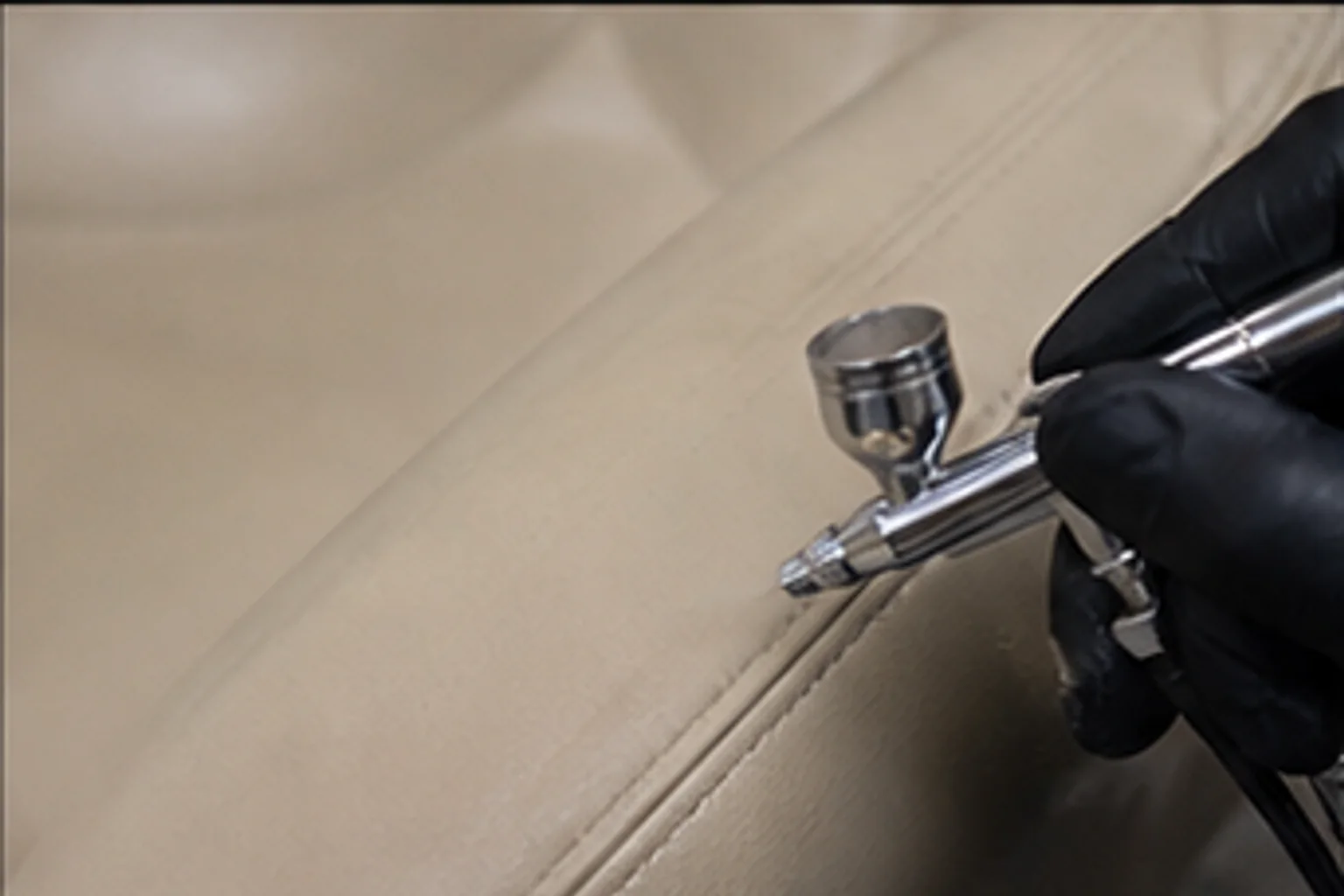
A color-matched leather dye — using the vehicle's interior color code where available, or color-read directly for aged or custom interiors — is applied in multiple thin passes to build even saturation.
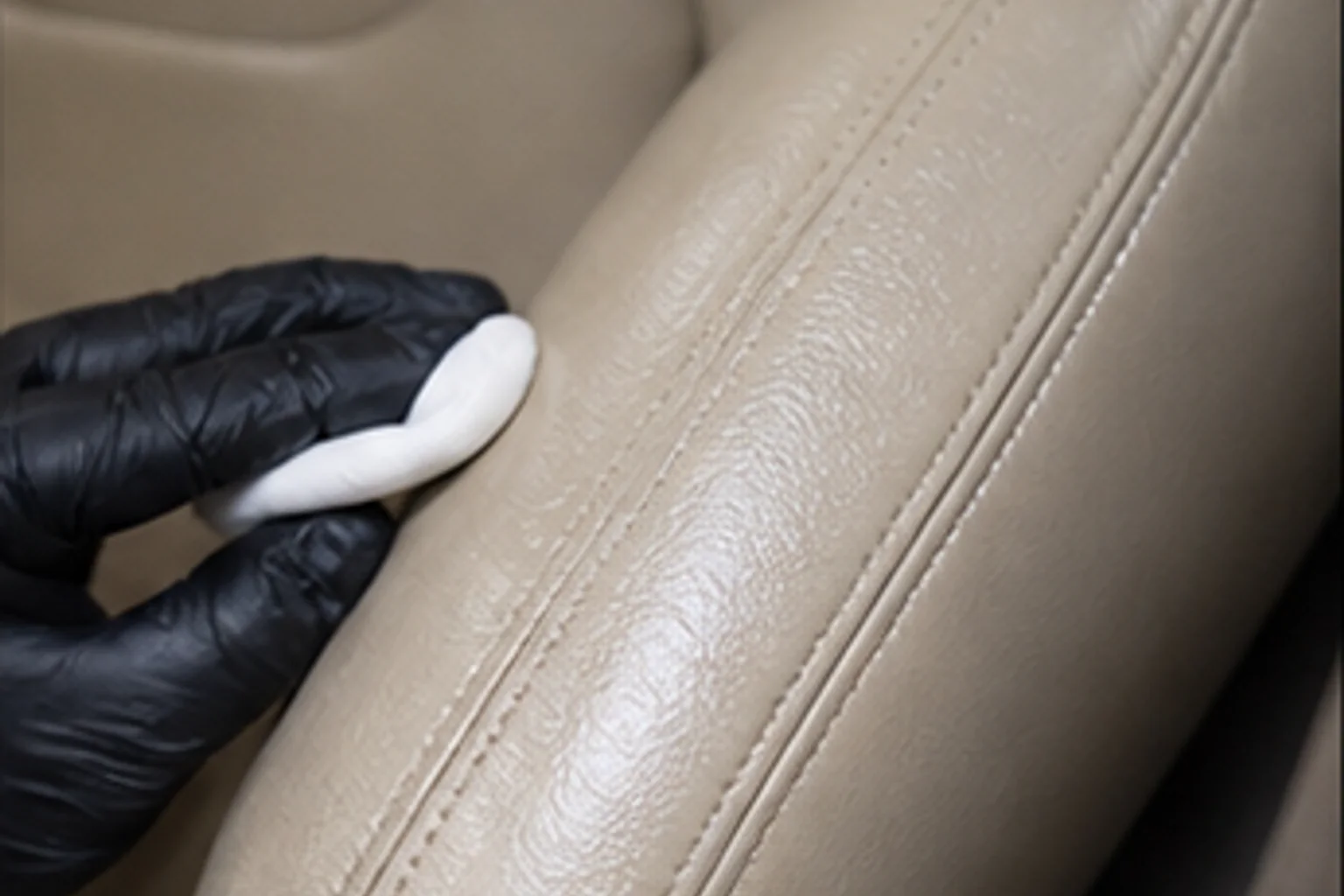
After the color cures, a professional conditioner penetrates the leather's fiber structure — not just the surface — restoring flexibility and preventing premature re-cracking.
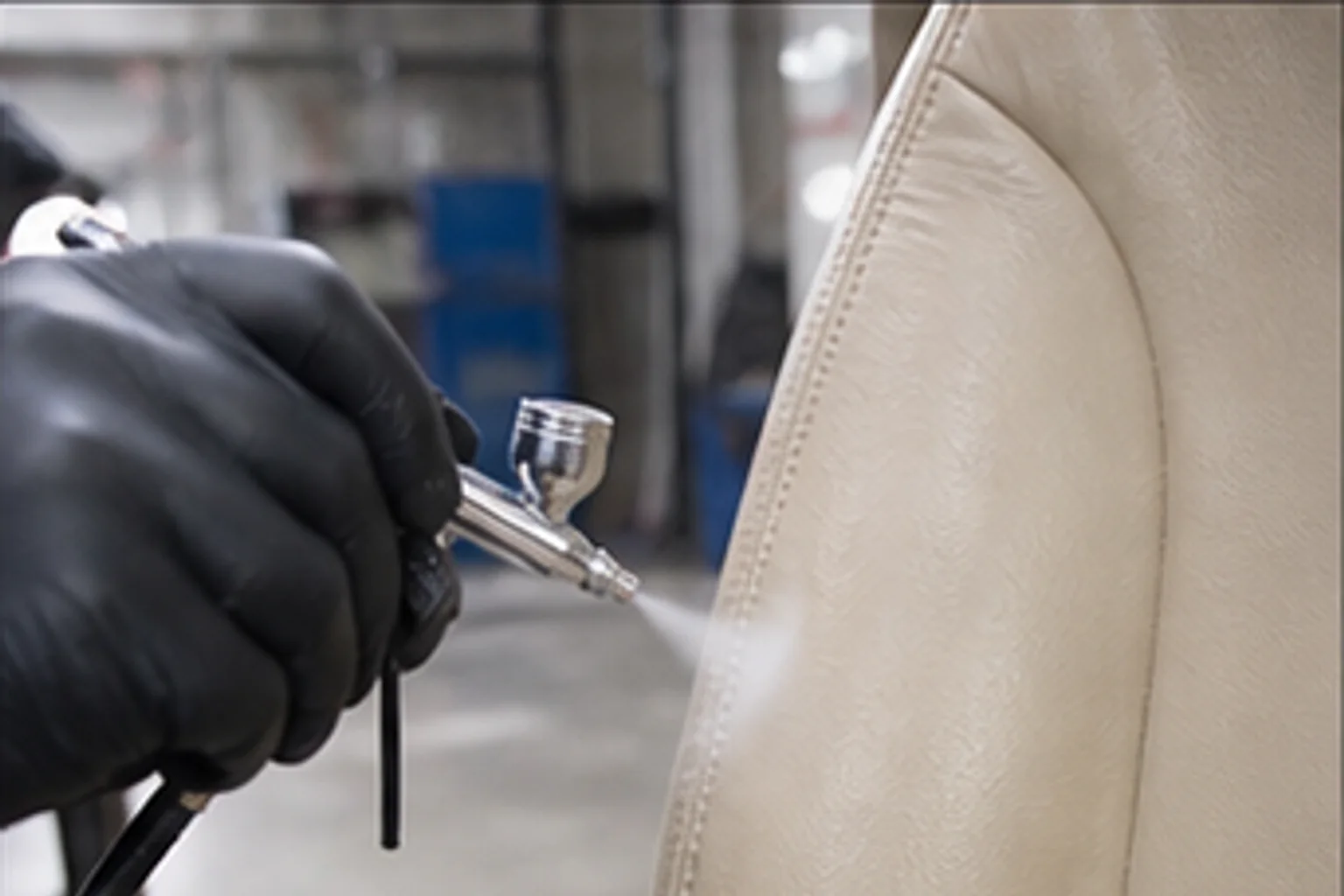
A leather topcoat sealer protects the color layer from UV degradation, abrasion and cleaning-product contact, and sets the final sheen to match the original finish.
Filled with a flexible leather filler matched to the grain structure, sanded smooth, then color-restored — the standard result of years of UV and heat exposure without conditioning.
Color-matched and reapplied in multiple thin passes, using the interior color code where available or a direct color read for aged or custom interiors.
Scuffs and light scratches are filled and blended; peeling dye or topcoat is stripped back and reapplied correctly rather than coated over.
Cleaned first, and if any residual discoloration remains after cleaning, it is color-concealed as part of the restoration.
Replacement outperforms restoration when the leather has torn through to the foam substrate across a large area, when the fiber structure has deteriorated beyond surface restoration and crumbles or has lost all tensile strength, or when the seat foam has collapsed alongside the leather and requires full seat disassembly.
How it works
Improper interior repairs often fail within months from poor material matching or adhesive breakdown. This is the controlled, ordered process that avoids that.
A pH-neutral leather cleaner applied with soft brushes removes surface contamination, built-up conditioner residue and body oils that have penetrated the leather's pores. This is performed before any assessment of color or crack condition — residue-covered leather can't be accurately assessed or correctly treated.
Cracks, scratches and areas of peeling dye are filled using a flexible leather filler compound that matches the leather's grain structure, applied in thin layers, dried between applications, and sanded to a smooth, grain-matched surface. This rebuilds the surface profile before any color is applied.
A color-matched leather dye is mixed to the vehicle's original leather color — using the interior color code where available, or color-reading the leather directly for aged or custom interiors. The dye is applied in multiple thin passes to build color evenly across the restored surface.
After the color application has cured, we apply a professional leather conditioner that penetrates the leather's fiber structure — not just coats the surface — restoring flexibility and preventing the restored surface from cracking again prematurely. Conditioning is performed after color, not before.
A leather topcoat sealer is applied over the restored surface to protect the color layer from UV degradation, abrasion and cleaning-product contact. The topcoat also sets the leather's final sheen, matched to the original finish for a factory-consistent appearance.
Why this shop
Cleaning before assessment, filling before color, conditioning after color rather than before — conditioning oils applied first prevent correct dye adhesion. The order isn't cosmetic; it's why the finish lasts.
We match factory interior color codes for standard leather, and color-read the leather directly for aged, custom or two-tone interiors — treating a two-tone job as two separate color operations within the same repair.
UV exposure and New England's summer heat extremes are the primary drivers of cracking and fading over 8–12 years of use. We recommend cleaning and conditioning every 3–4 months and reducing direct sun exposure to extend the restored finish.
When leather has torn through to the foam, when the fiber structure has crumbled beyond restoration, or when the seat foam itself has collapsed, we say so — restoration isn't the right call for every seat, and we tell you which is which.
TownDrive to shop
Lexington, Woburn and Concord drivers are all inside 15 minutes of the shop. Call (781) 271-9110 to book a leather assessment.
Leather restoration for a full set of front seats costs $400–$800 in Massachusetts, depending on the extent of cracking, fading and color restoration required. A single seat requiring crack repair and color touch-up is $150–$300. Full cabin restoration, including rear seats, door panel leather inserts and center console, is $800–$1,500 depending on the vehicle's leather coverage and condition. We provide a written estimate after assessing the leather's condition in person.
Professional leather restoration with correct topcoat protection lasts 3–5 years before color refreshing or reconditioning is needed, with proper maintenance. The restored leather should be cleaned with a pH-neutral leather cleaner and conditioned every 3–4 months. Avoiding direct sun exposure — window tinting, a windshield shade — significantly extends the restored finish.
Yes — leather dye is custom mixed to match any factory or custom leather color. We match factory interior color codes for standard OEM leather and color-read the existing leather directly for aged, non-standard or custom interiors. Two-tone leather interiors — for example, black bolsters with ivory seat centers — are treated as two separate color operations within the same job.
Most leather restoration projects are completed within 1–3 business days, depending on the scope and condition of the leather. A single seat with moderate cracking and color fading is typically a same-day or next-day job. Full cabin restoration — front and rear seats, door panels, center console — requires 2–3 days to allow proper curing time between filler application, color coats and topcoat sealing.
Leather requires a distinct material-specific process because of how it deteriorates, so leather restoration covers only leather surfaces. If your vehicle also has fabric, vinyl or structural interior damage, see our auto upholstery repair services.
In most cases restoration can address cracking, fading, scuffing and peeling. Replacement is the better answer when the leather has torn through to the foam substrate across a large area, when the fiber structure has deteriorated beyond surface restoration, or when the seat foam has collapsed alongside the leather. We identify which category your seat falls into during the assessment.
Free estimates · All major insurers · Bedford, MA since 2005