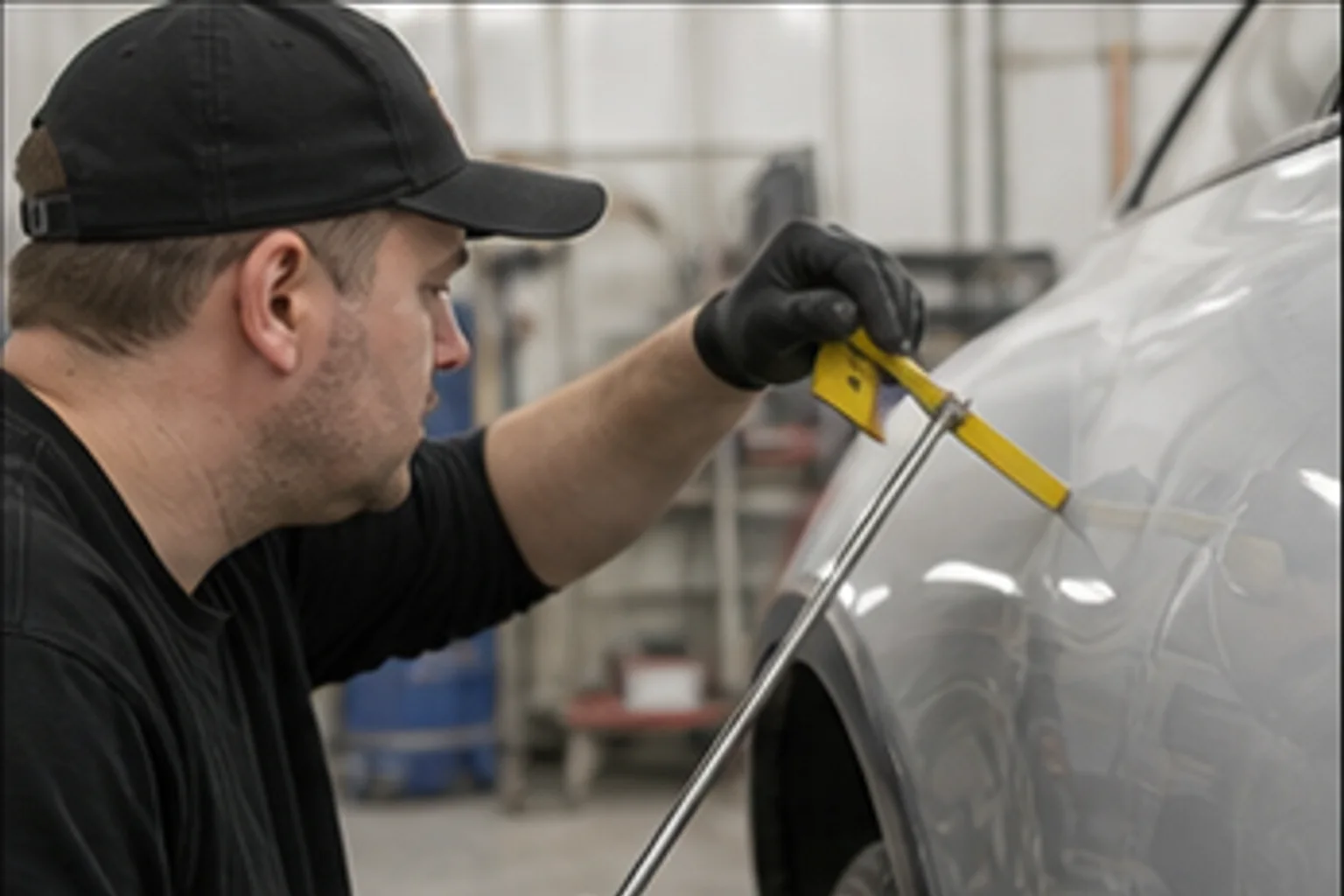
PDR When Paint Is Intact
Paintless dent repair applies when the paint surface is uncracked, the dent is round or oval rather than a sharp crease, the metal hasn't stretched or folded, and tool access behind the fender is unobstructed.

Fender repair
Fender repair removes dents, creases and side-swipe damage from front and rear fender panels — using paintless dent repair when the paint is intact, and traditional repair when it isn't. We serve Bedford, MA and the surrounding greater Boston metro area.
Fender repair
Fender panels can be repaired with PDR when the paint surface is uncracked and the metal hasn't been folded along a body line. Because fenders have more complex curvature than flat panels, tool access from behind the panel is a key factor in PDR eligibility.
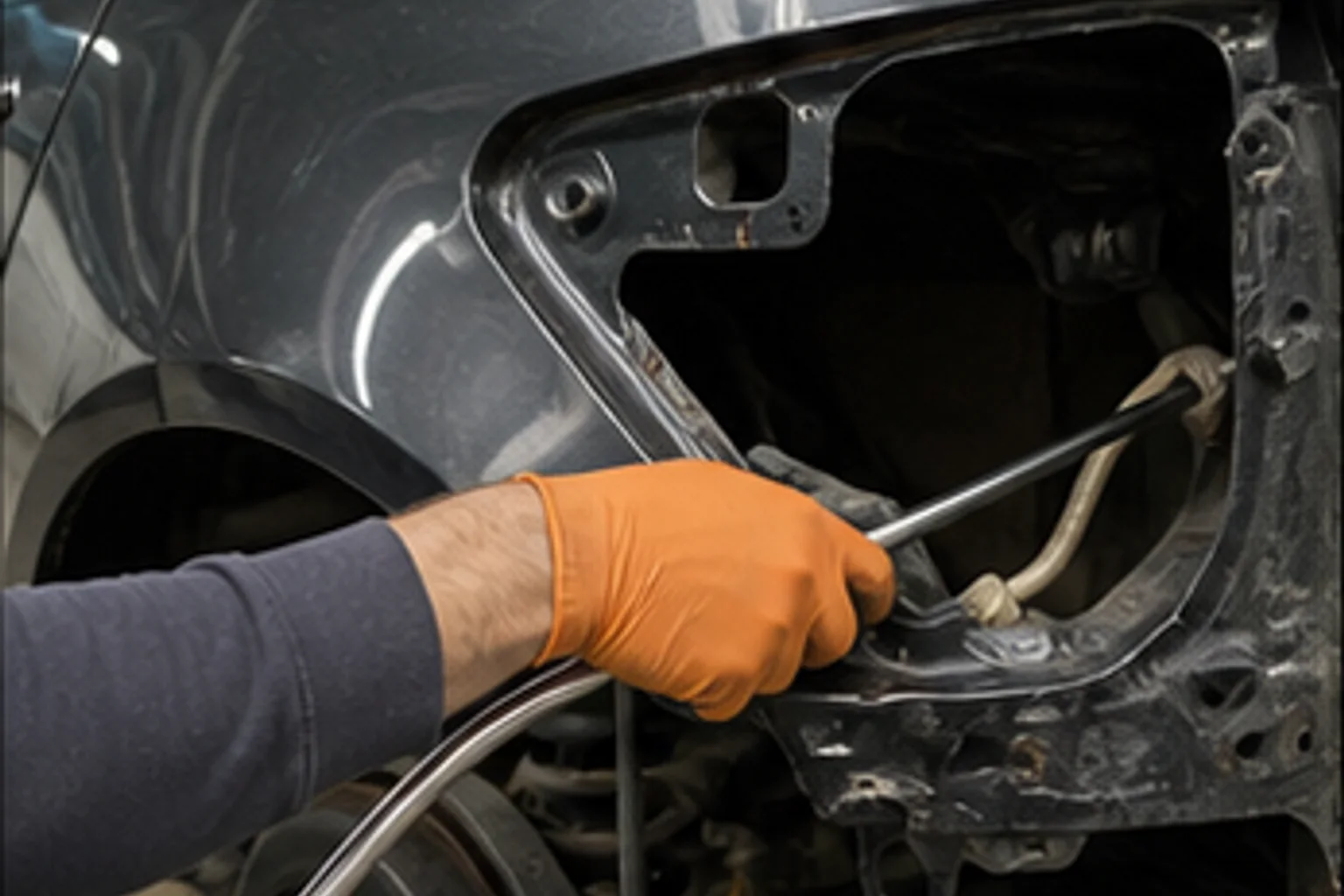
Fender panels can be repaired with PDR when the paint surface is uncracked and the metal hasn't been folded along a body line. Because fenders have more complex curvature than flat panels, tool access from behind the panel is a key factor in eligibility.
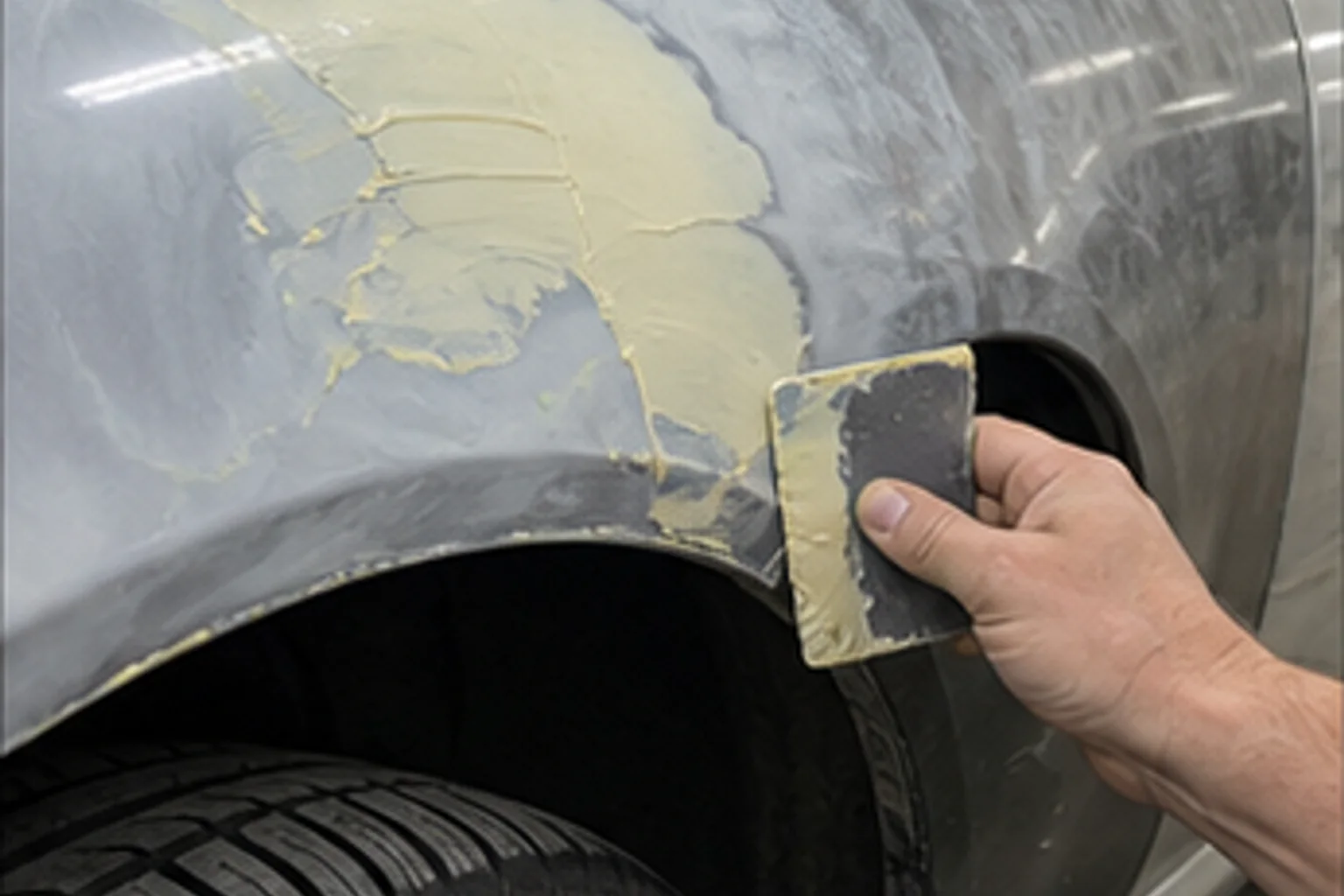
Crease dents are more technically challenging for PDR because the metal has been work-hardened along the crease line. We use specialized PDR techniques for shallow creases with intact paint, and traditional repair for deeper creases or where the paint has cracked.
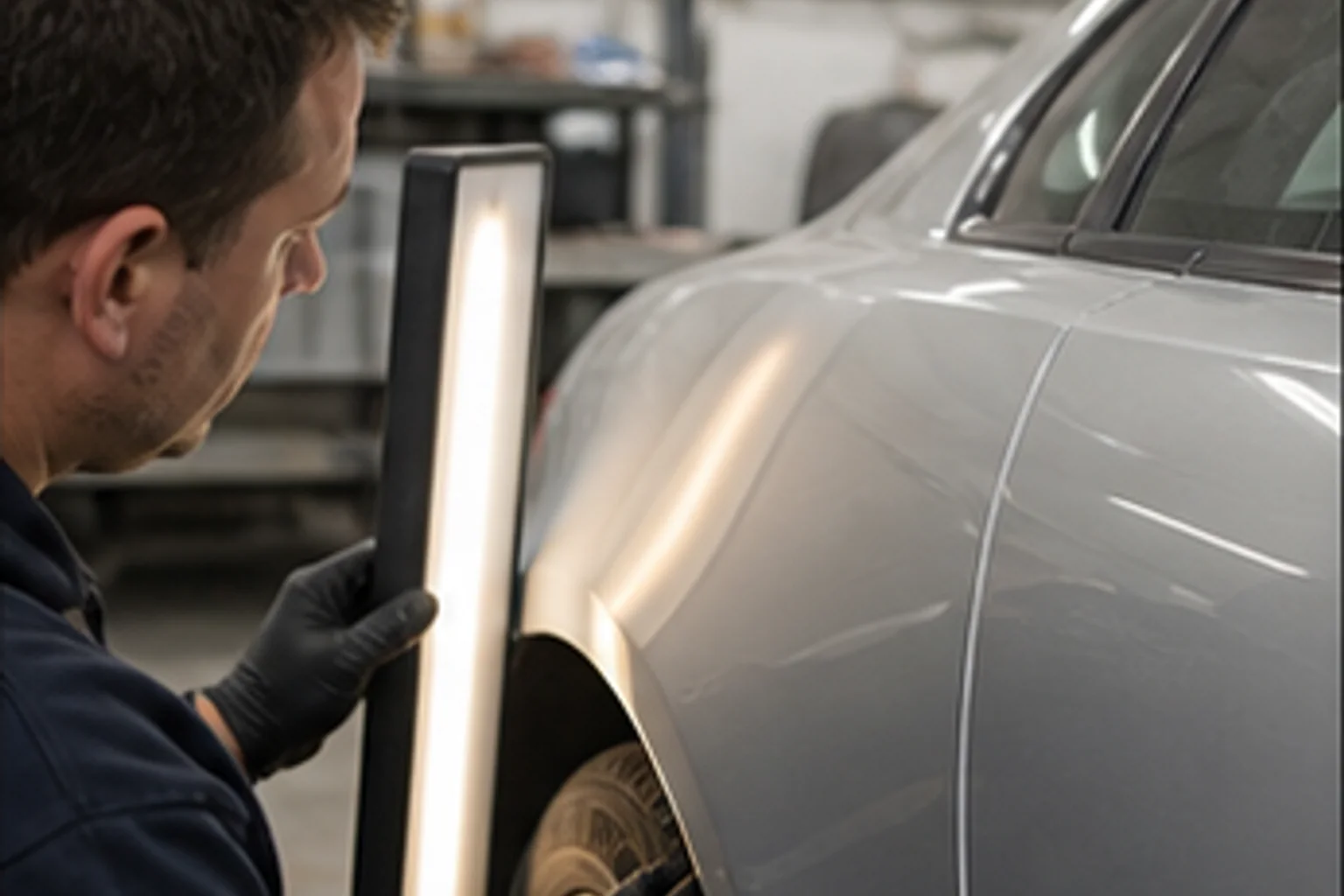
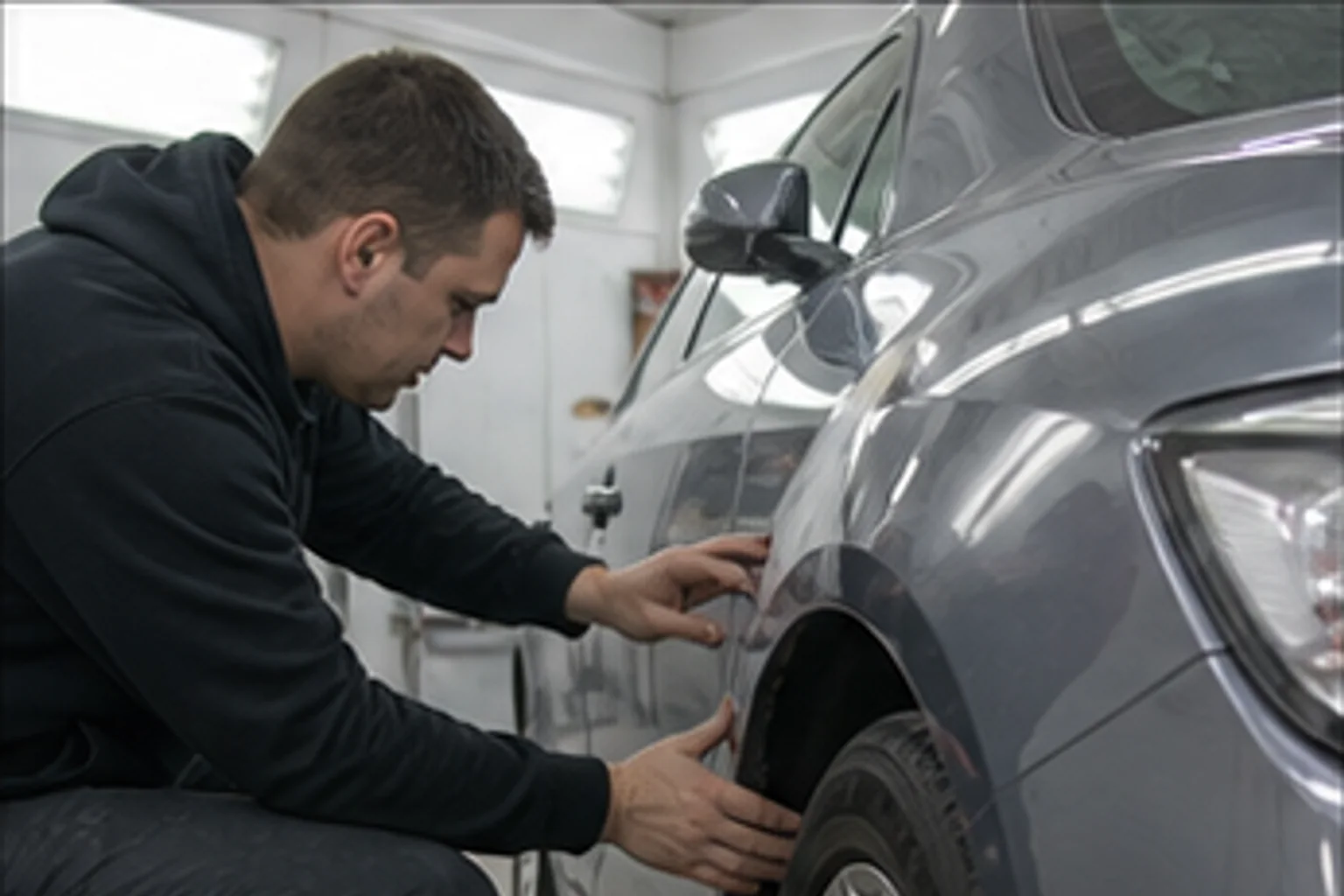
We inspect the fender under directional lighting to evaluate the dent's depth, the paint condition, and the geometry of the affected area, then explain the repair method, estimated time and cost before any work begins.
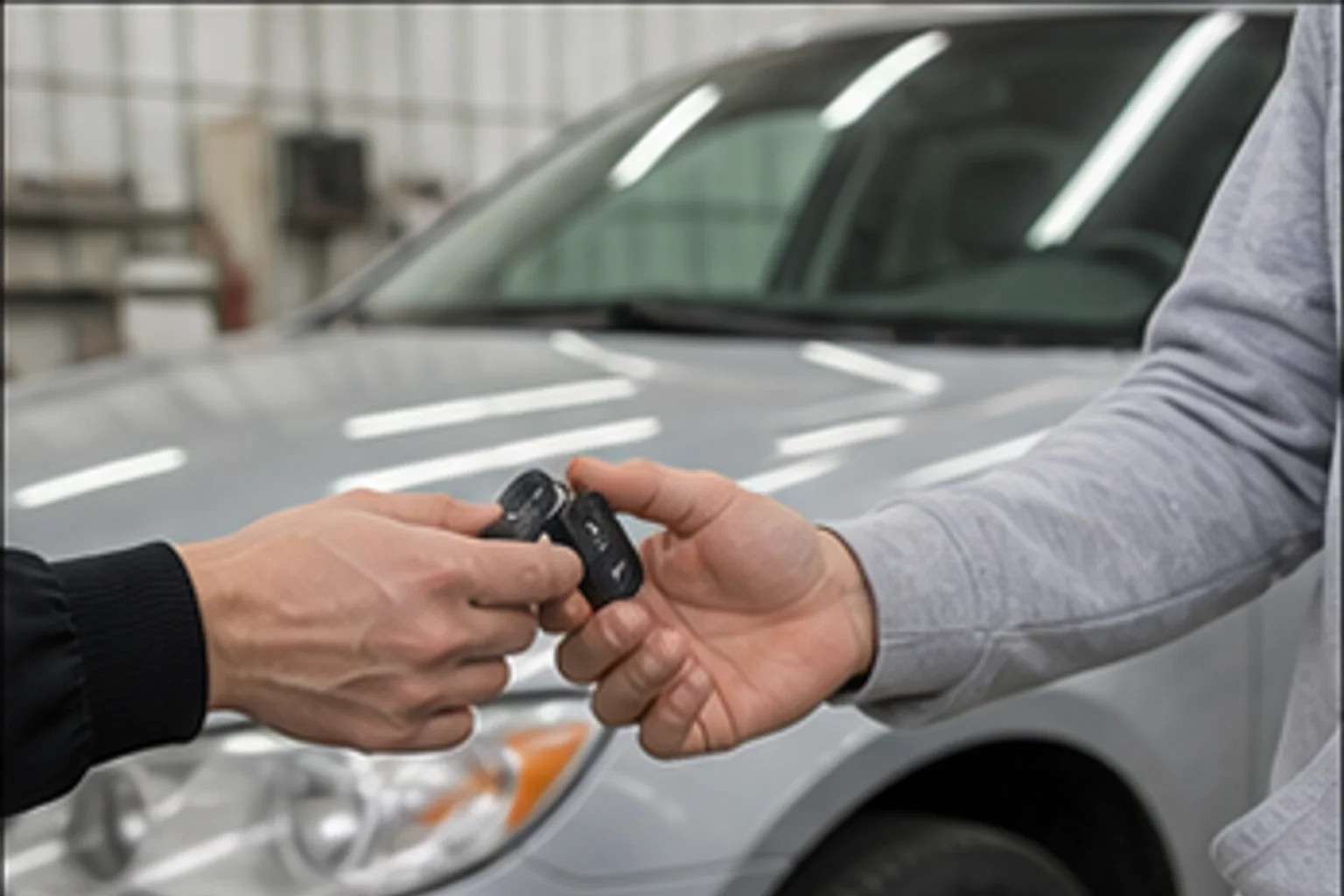
What it covers
Every fender is assessed individually — material, curvature and tool access all factor into the method.
Paintless dent repair applies when the paint surface is uncracked, the dent is round or oval rather than a sharp crease, the metal hasn't stretched or folded, and tool access behind the fender is unobstructed.
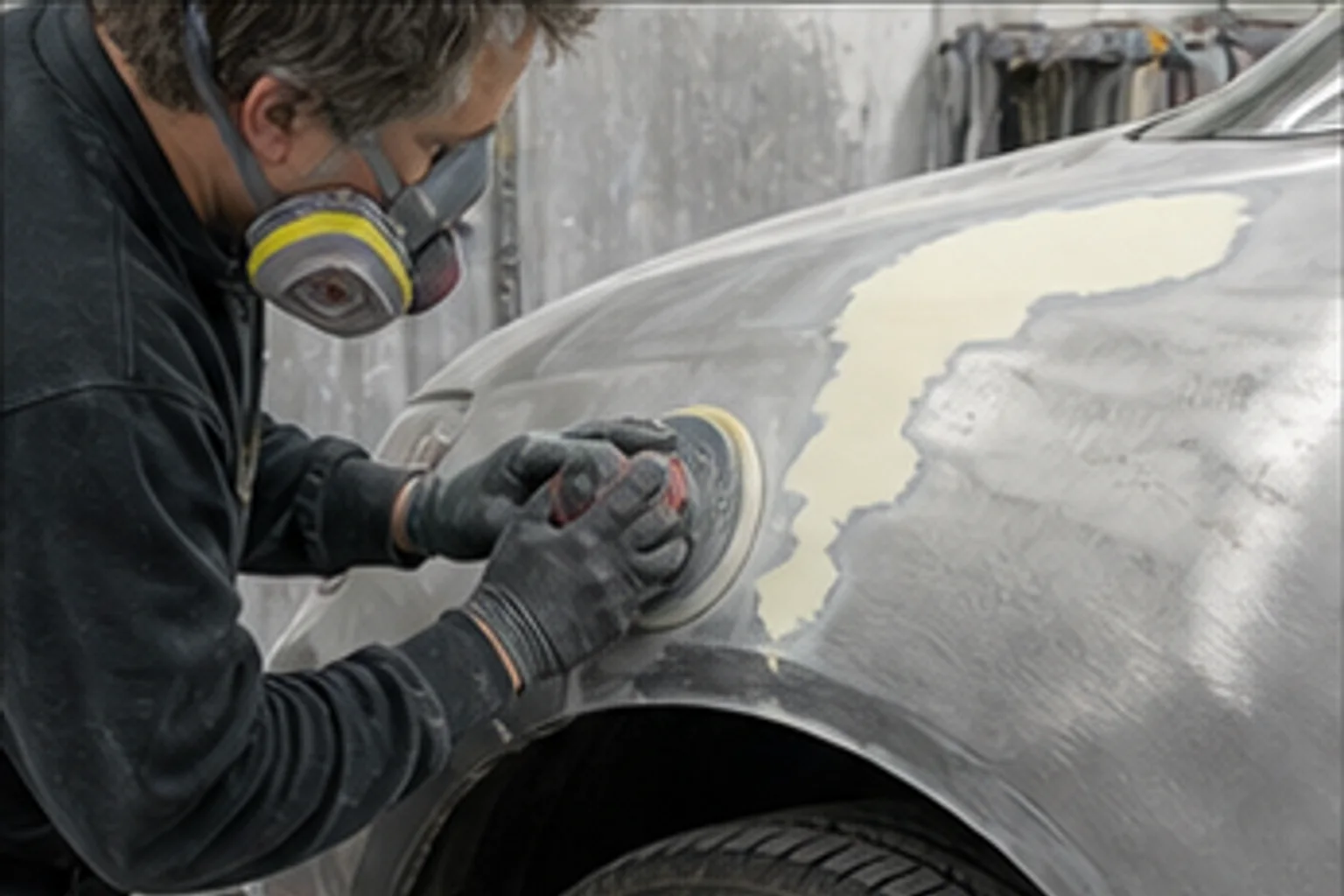
Traditional repair takes over when the paint has cracked or peeled at the impact point, the dent is a crease with a defined fold line, the fender is deformed along a body styling line, or side-swipe scratches and paint transfer accompany the structural damage.
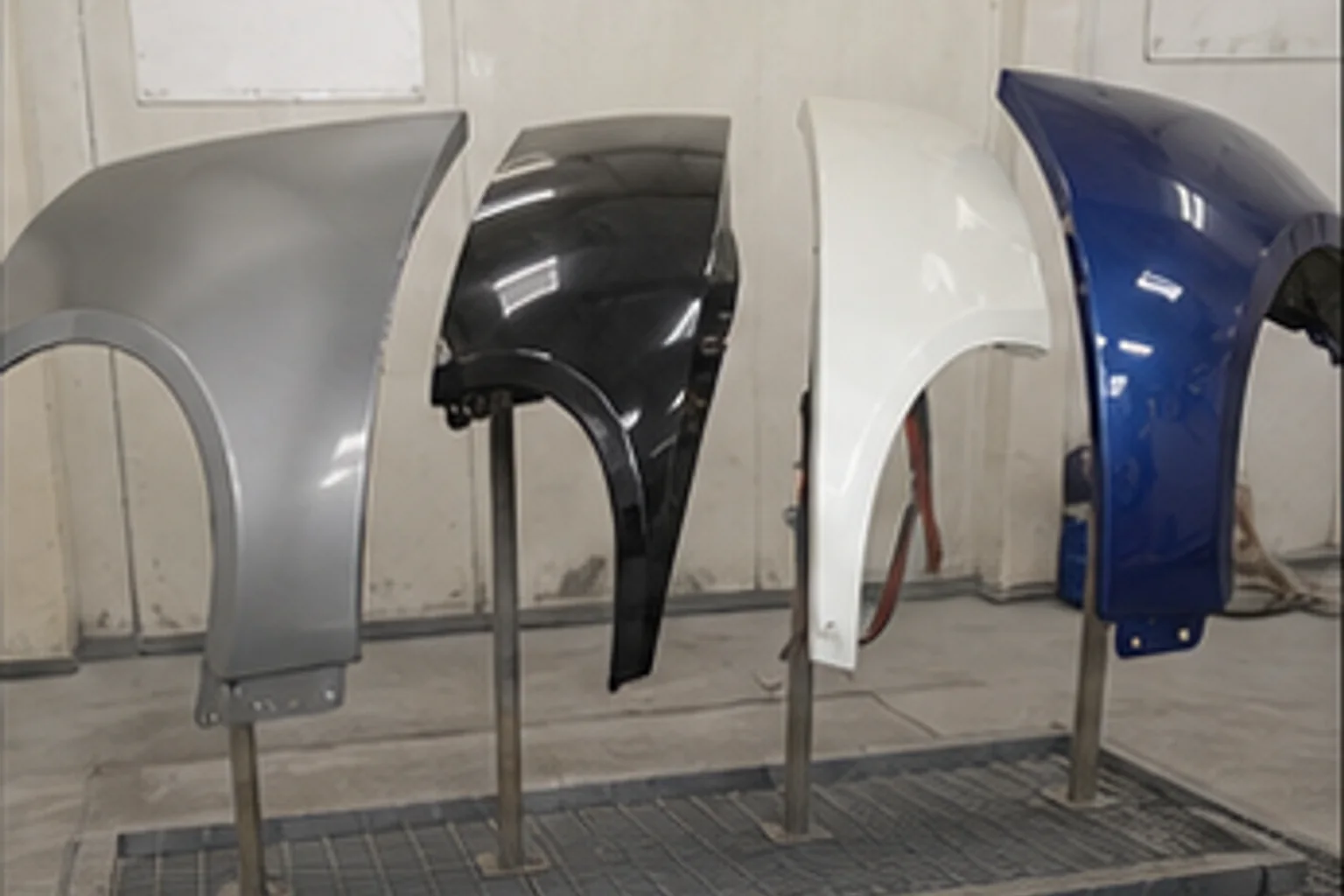
Modern fenders use steel, aluminum or composite panels, and each requires different repair techniques. We assess material type before confirming method.
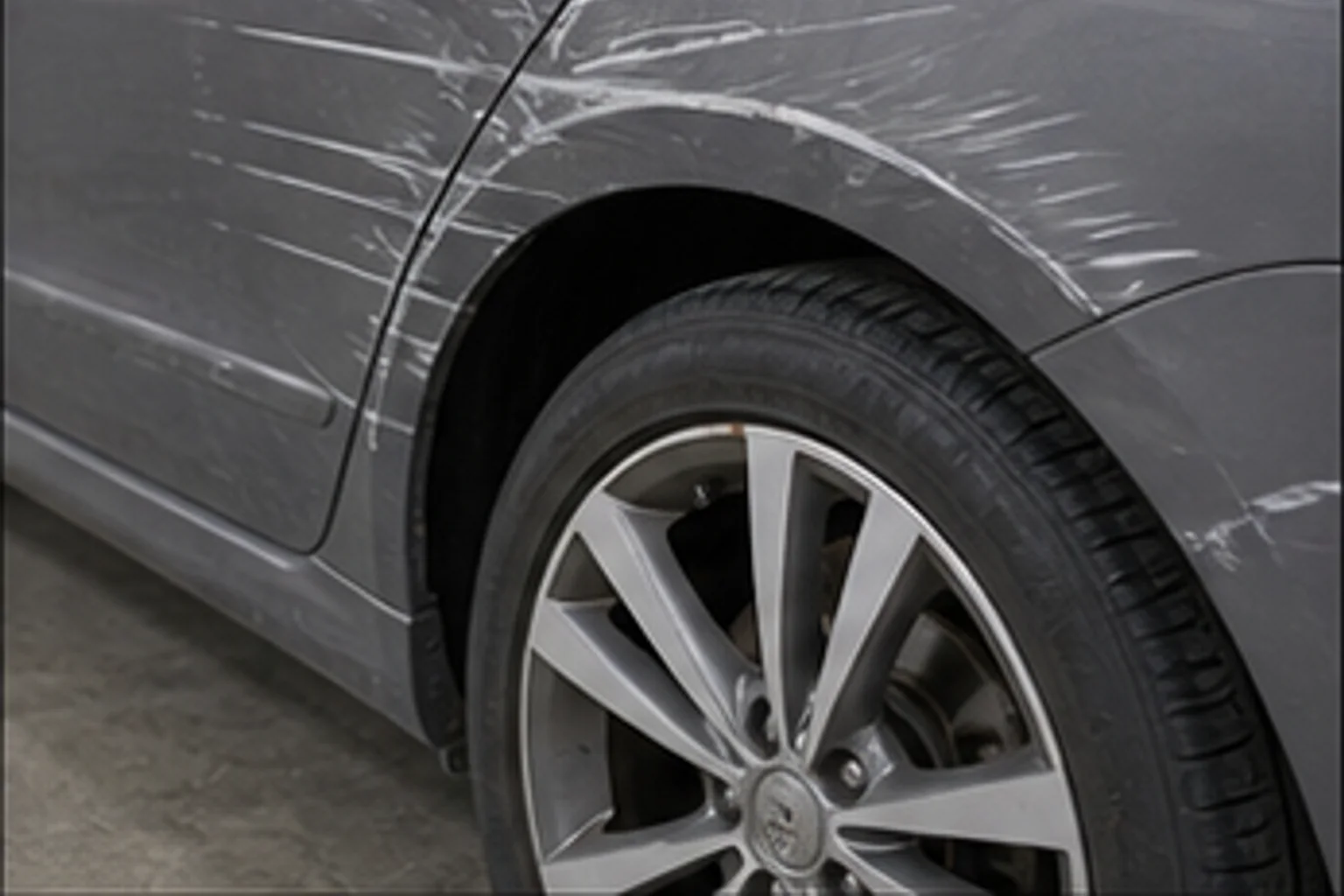
Side-swipe damage often includes multiple contact points, paint transfer and scratches alongside the structural dent. We repair the dent, remove the paint transfer, blend the scratched area and match the paint in a single visit.
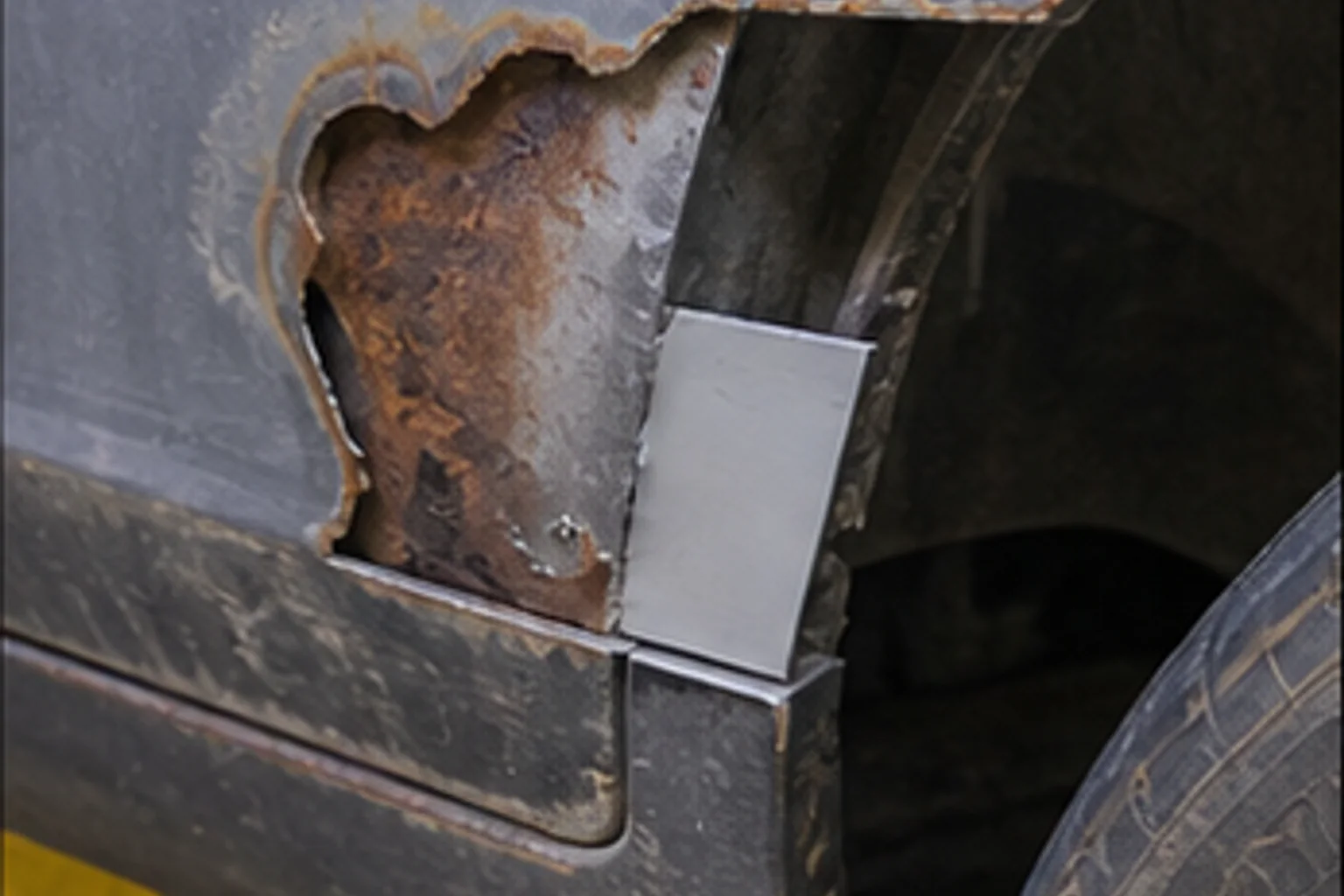
An older dent left unrepaired can develop rust as the paint barrier fails at the impact point. We treat the rust, repair the dent and repaint the affected area — catching it early prevents it from spreading beneath the paint to adjacent panels.
Rocks, gravel and road debris thrown by other vehicles create round or oval dents on fender surfaces. These are typically shallow with intact paint and are ideal candidates for paintless dent repair. We assess the depth and panel accessibility before confirming PDR eligibility.
Contact with posts, barriers, or other vehicles at an angle creates crease dents — sharp-edged deformations where metal has been folded rather than simply pushed. We use specialized PDR techniques for shallow creases with intact paint, and traditional repair for deeper creases or where paint has cracked.
Many fender repairs result from low-speed fender bender accidents in parking lots or traffic congestion. These incidents typically produce round or oval dents with intact paint, making them strong PDR candidates.
Side-swipe damage runs horizontally along the fender and may include multiple contact points, paint transfer, and scratches alongside the structural dent. We repair the dent, remove the paint transfer, blend the scratched area, and match the paint in a single service.
The lower portion of the fender near the wheel arch is particularly vulnerable to road debris, curb contact, and rust damage. We repair dents in the wheel arch area and address any paint damage at the same time.
An older dent that was left unrepaired can develop rust as the paint barrier fails at the impact point. We treat the rust, repair the dent, and repaint the affected area. Catching rust early prevents it from spreading beneath the paint surface to adjacent panels.
How it works
Method is confirmed before work begins — no surprises mid-repair.
We inspect the fender under directional lighting to evaluate the dent's depth, the paint condition, and the geometry of the affected area. For crease dents or side-swipe damage, we assess whether paint blending or full fender repainting produces the cleaner result.
We explain the repair method, the estimated time, and the cost before any work begins. If the dent involves both structural repair and paint work, we walk you through both components so there are no surprises.
For PDR-eligible fender dents, we access the panel from behind using graduated rods and work the metal back to its original profile. For traditional repair, we apply body filler, sand smooth, apply primer, and paint with a factory-matched color blend.
Every fender repair is inspected under multiple light angles before delivery. We verify the panel profile, paint match, and clear coat finish. For side-swipe repairs involving paint blending, we also confirm that the transition from the repaired area to the untouched paint is invisible.
Why this shop
Round and oval dents from road debris and parking contact are usually PDR-eligible, which means the original factory paint is never removed or repainted.
Steel, aluminum and composite fenders each require different repair techniques — material type is assessed before we confirm a method.
Older dents that have started to rust are treated at the impact point before the rust can spread beneath the paint to adjacent panels.
Every repair is inspected under multiple light angles before delivery, confirming the transition from the repaired area to the untouched paint is invisible.
TownDrive to shop
Burlington, Lexington and Woburn drivers are within 15 minutes of the shop. Free estimates either way — call (781) 271-9110.
Fender repair costs $150–$700 in Massachusetts depending on the damage type, whether repainting is required, and the extent of any side-swipe damage. A round dent repaired with PDR typically costs $100–$250. A crease dent requiring traditional filler repair and blended repaint is $300–$500. Side-swipe damage involving multiple contact points and paint blending is $400–$700. Full fender replacement (parts and labor) typically runs $800–$2,000 depending on the vehicle make and model. We provide written estimates before any work begins.
Paintless Dent Repair (PDR) can fix some fender creases — specifically shallow creases where the paint is intact and the metal has not been folded sharply along a body line. Deep creases with folded metal or cracked paint require traditional repair. Our technicians assess each crease individually to determine whether PDR technique can achieve a complete result. We won't attempt PDR on a crease that requires traditional repair — it produces an inferior result and costs you more to fix afterward.
Fender repair at Invisible Touch Inc. takes 2–4 hours for PDR and 1–2 days for traditional repair with painting. Round dents repaired with PDR are usually returned the same day. Crease repair or side-swipe damage requiring filler, primer, paint, and clear coat needs overnight drying time and is typically ready the following day.
Collision insurance covers fender damage from an accident, subject to your deductible. If another driver caused the damage, their liability insurance covers the repair. Single-car incidents involving stationary objects (poles, curbs, barriers) are also covered by collision insurance. We work with insurance adjusters and can document the fender damage for your claim. For major fender damage from a collision, see our collision repair page. Contact your insurer to confirm your deductible before scheduling.
Free estimates · All major insurers · Bedford, MA since 2005